


 |
 |


Caldwell The King is Dead: A Smoke Rings Discussion


Filmed by Nicole Weed and Chris Herath | Edited by Ardit Hushi
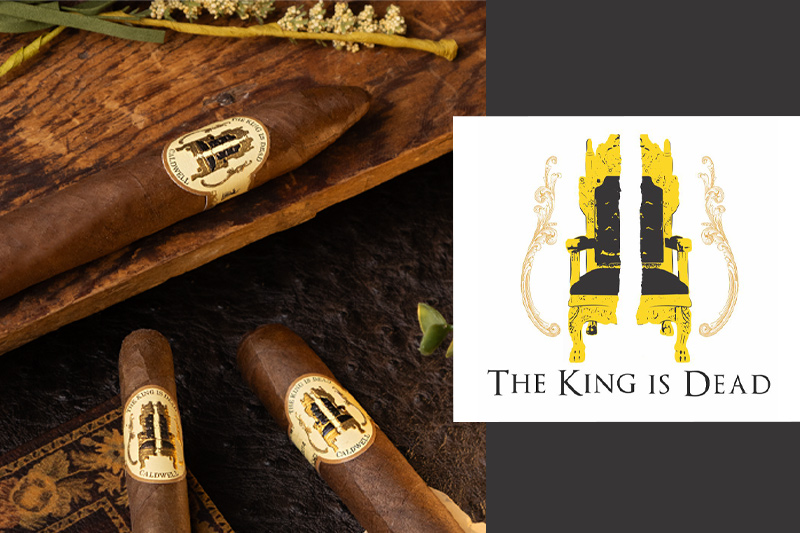
Andy Wike and I sat down to smoke and discuss Caldwell's The King is Dead, one of the three blends Robert Caldwell launched the brand with. Built around a rare Dominican Negrito wrapper, it's an all-Dominican cigar with a deep, earthy character all its own.
Note: The following transcription has been edited for clarity and brevity.
Caldwell's Most Unique Cigar
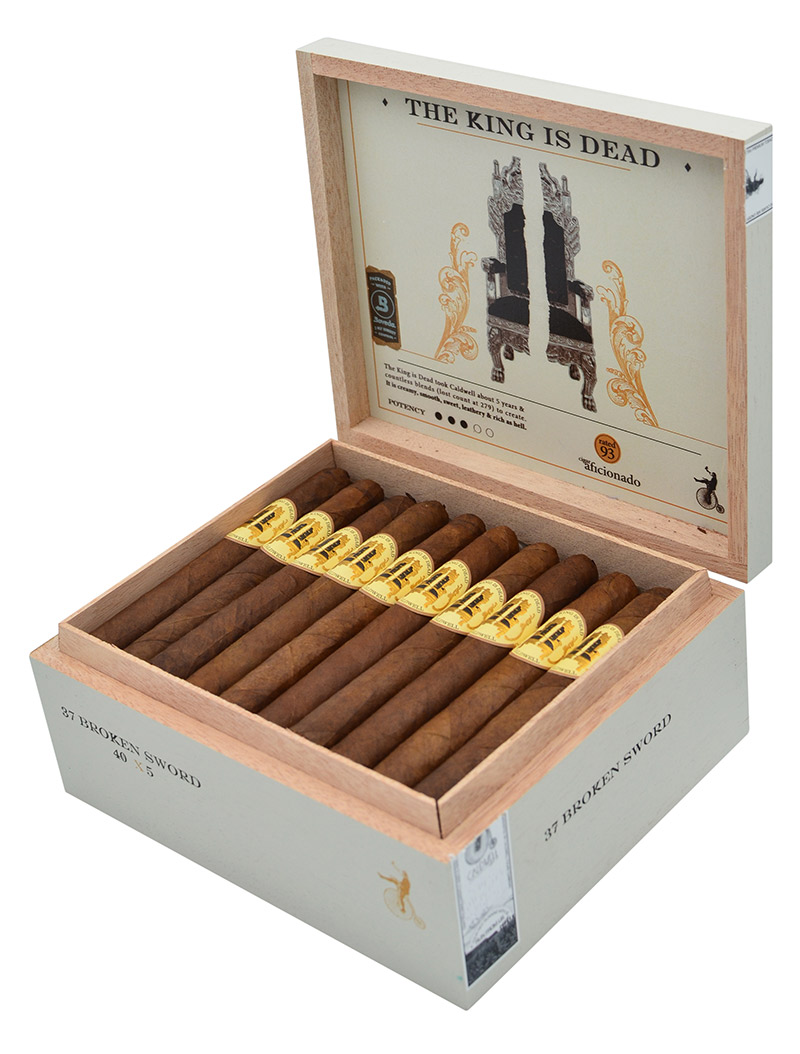
[Chris Herath]: Today we're smoking Caldwell's The King is Dead. This was one of the first cigars that came out in the Caldwell Core Collection, and I'd say it's a really unique cigar in Caldwell's overall portfolio.
[Andy Wike]: I'd say it's probably the most unique cigar Caldwell makes. It's a 100% Dominican cigar, but you wouldn't know that based on the flavor and strength. It packs more punch than you'd typically associate with a Dominican cigar, and a lot of that comes from the very special Negrito tobacco used in both the wrapper and some of the filler.
The Negrito Wrapper
[CH]: If you look through cigar components, Negrito is one you hardly see at all. It's not something you typically see, like Corojo. Andy, tell us a little about Negrito as a component, why it's not used in many cigars, and why Rob put it in this one. From what I've heard Rob say, it was something he experimented with for a while before he was able to use it in a blend.
[AW]: It's not commonly used in modern cigar making because it's such a difficult tobacco to work with, both in construction and in balancing the flavor. Rob was really entranced by the flavor he got from Negrito, and this cigar actually took about five years to develop. He started working on it well before he ever started Caldwell. It was a pet project of his.
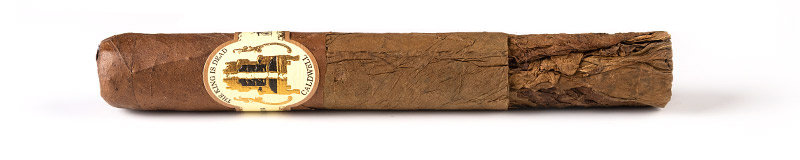
You can go back in time and find other manufacturers who have used Negrito. But the way Rob took that unique Negrito experience and created a balanced cigar, while also showcasing exceptional, pure Dominican tobacco, is really neat.
[CH]: You said at the very beginning that this is, surprisingly, an all-Dominican cigar. Just look at that Negrito wrapper. It's rough, it's toothy, and it looks very thick. When most people think of Dominican tobacco, they picture those perfectly shaded Connecticut-style wrappers and a lighter body. If I were smoking this blind, I'd have a hard time guessing it was all Dominican. I'd guess there was Nicaraguan in there because of the amped-up flavor and strength. I'd put it at medium to full.
Deep Like the Mariana
[AW]: I'd put The King is Dead at medium to medium-full, in terms of both flavor and strength. One of the old taglines for this cigar was "Deep like the Mariana," because it's such a rich, deep flavor profile, especially compared to Eastern Standard or even Long Live the King. Long Live the King tends to be a bit spicier, whereas The King is Dead is much more earthy. There's a milk-chocolate sweetness, but also some earth and charred wood. It's much deeper.
[CH]: It's got those base notes.
The Old King and the New
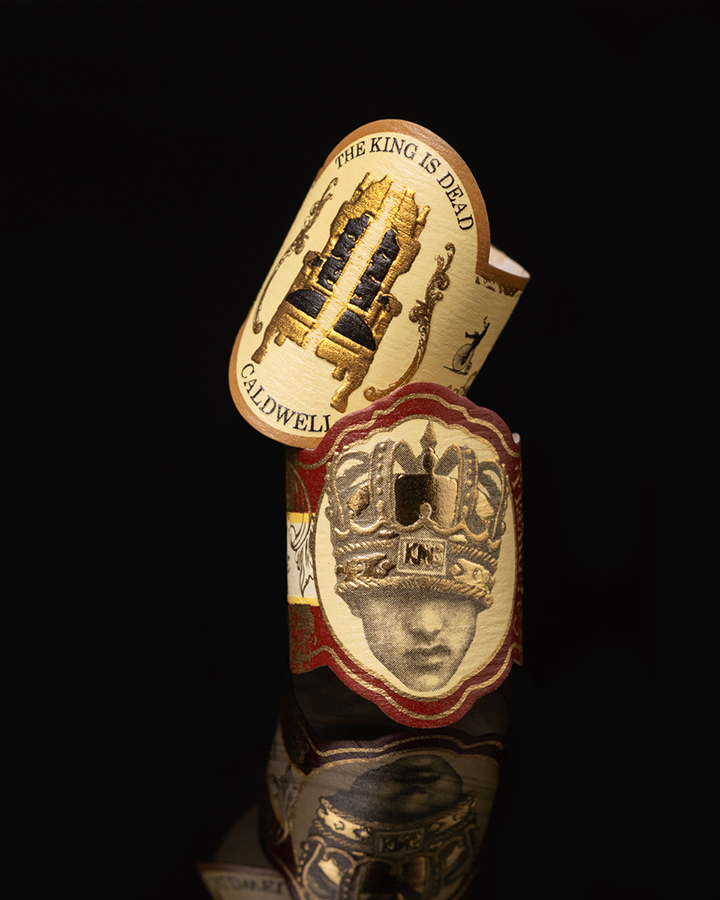
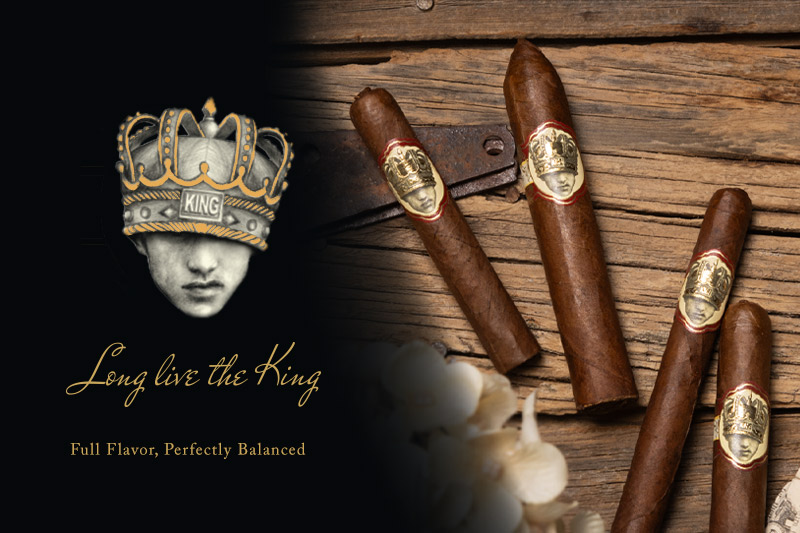
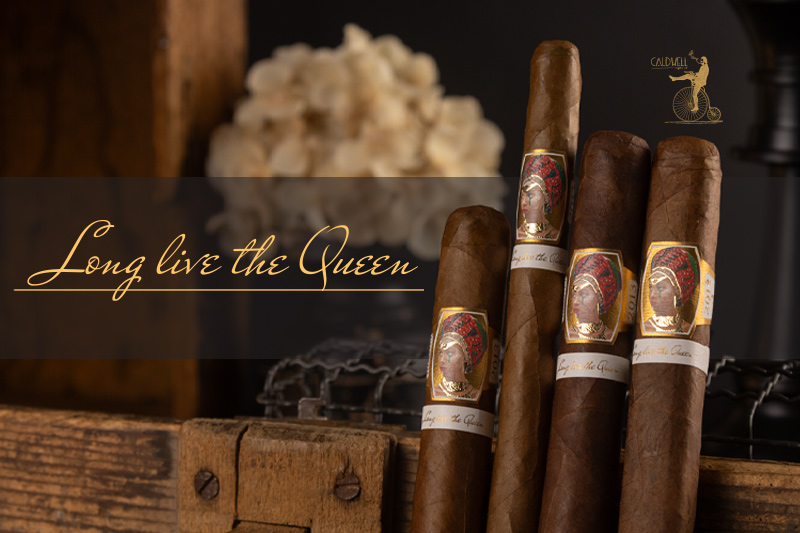
[AW]: This was one of three cigars Rob released when he first launched Caldwell: Eastern Standard, The King is Dead, and Long Live the King. One of the reasons he did that is that while he was perfecting the blends, he noticed that if you smoked The King is Dead and followed it with Long Live the King, there was a really synergetic experience. We talked about that in our earlier video, so if you haven't checked it out, make sure to go watch that one.
Smoking The King is Dead now, you can really see it. If we're talking about storytelling and narrative, it's the old king who's just passed away. It's the passage of the old guard into the new, and you can see that in the flavor profile, too. There's a much more mature, antique sort of vibe to it. It's very deep and very complex, with that milk-chocolate sweetness. It doesn't have the kick that Long Live the King does. It's not really mellow, but the flavors are matured and married throughout.
[CH]: It's hard to describe. "Vintage" is the word, and I think a lot of that has to do with the way Rob uses aged tobaccos. That's probably Rob's blending secret for using Negrito in this blend: aged tobaccos in the filler, plus the Corojo binder. It all interplays into something that feels well-blended, like there's some age to it.
Rob talked about smoking The King is Dead first and then Long Live the King. We've done these videos in the reverse order, and that's one you shouldn't sleep on. Smoking Long Live the King first, I picked up a lot of bright, lively, sweeter tones, whereas this is a much more mature, darker, deeper sweetness. I'm understanding this cigar better than I ever have before. Whichever order you've smoked them in — I'd go both ways with it — it's a really interesting experience.
[AW]: Smoking The King is Dead first and then going to Long Live the King, you can really understand Long Live the King. It takes the character, the essence, the bloodline of The King is Dead, then puts a youthful, modern spin on it. There's some Nicaraguan leaf in Long Live the King, so you get a bit more spice and pepper. It's just got a kick to it, whereas this is a very elegant cigar. Regal, almost. Its flavor is unlike anything else I've experienced.
Choosing a Vitola
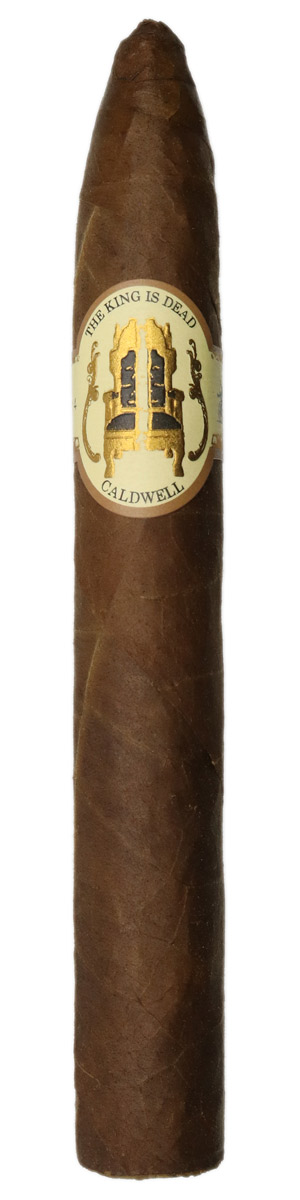
[CH]: I'm smoking the Broken Sword version of The King is Dead. I like the smaller vitola because I'm getting a lot more of that Negrito wrapper. You can taste the difference on the palate. What are you smoking?
[AW]: I'm smoking the Diamond Girl, which is my favorite size in the line. It's not a super big ring gauge, but I prefer it in a longer size because this cigar really ramps up in the final third. You get a lot of that milk-chocolate sweetness and earthy tonality, and then in the final third it really picks up and takes on a life of its own. With the Diamond Girl, I get more of that final third.
[CH]: That makes a lot of sense. There are larger vitolas, too. The Last Payday is one a lot of people talk about, so check that one out if you're looking for a larger ring gauge.
The Escape Plan
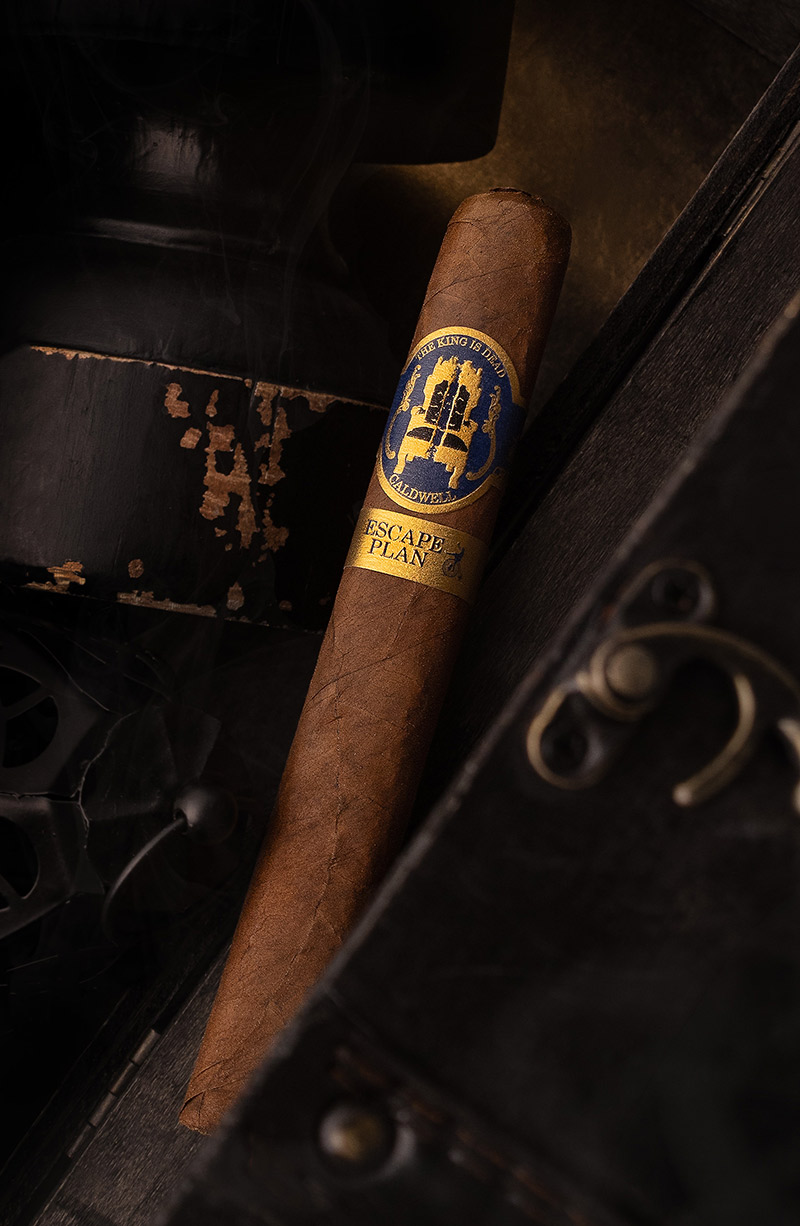
[CH]: I don't think we can talk about The King is Dead without talking about probably our favorite in the line: a little riff called the Escape Plan. Visually, the first thing you'll notice is that it's box-pressed, but that's not where it ends.
[AW]: Escape Plan is a line extension for Caldwell. If you see Escape Plan on a cigar, it's box-pressed. These cigars take that King is Dead DNA. It's the exact same blend, with different primings and slightly different grades, but it's still an all-Dominican cigar. It uses the same base components, but it was blended to perform exceptionally well in a box-pressed format.
If you don't experiment much with box-pressed cigars and you're coming from the pipe-tobacco world, think of a cake, a plug, or a flake — anything that's been pressed. The molds put the cigar under pressure for a short time, and that applied pressure gives you a more married, mature flavor. There's some mingling of flavors that happens in the molds, and the cigars themselves are quite well aged, too.
[CH]: Every time I've smoked it, it would have confused me in a blind tasting that it doesn't have even more age on it. It just feels like a very matured, perfectly blended cigar. If you've smoked the regular King is Dead, be sure to try the Escape Plan. It has the same DNA, but you'll get a much different experience.
[AW]: Comparing the two, the Escape Plan takes that "deep as the Mariana" vibe and lowers it a bit. I get more of a 70% dark-chocolate note instead of milk chocolate. The sweetness is still there; it's just richer. If you enjoy The King is Dead profile but want something a bit darker, more married, with an even more antique, well-aged vibe, the Escape Plan is a beautiful expression of that.
If you're looking for a unique cigar experience and want to taste what Negrito can do in a cigar, be sure to check out Caldwell's The King is Dead.
You may also enjoy:



Comments