


 |
|
 |
|


The band — that subtle flourish at the head of every cigar, the signpost that attests to a blend's origin and name — has told the same story for nearly two centuries: this cigar is worth your time. But where did the cigar band originate, and why has it stayed so central to the craft of cigar making?
The Origins of the Band
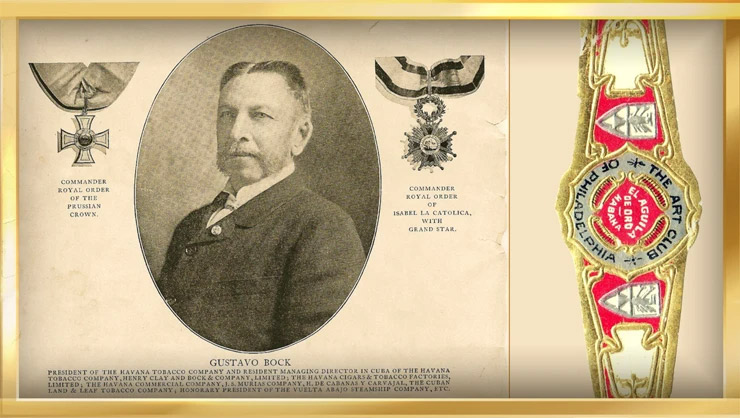
While there are many popular legends surrounding the history of cigar bands — most concerning royals who wanted to keep their fingers free from stains, or gentlemen who wanted to protect their white gloves — historians generally cite Gustave Bock as the pioneer of the adornment.
An immigrant working in Cuba, Bock banded each of his Europe-bound exports with his signature and inadvertently revolutionized the industry in the process. These initial bands were simple compared to the ornate and colorful bands of the Golden Age that would follow; they were made from paper and served a specific purpose: authenticate the cigar.
Capitalizing on the reputation of Cuban blends (even then, the mythological allure of Cuban cigars held sway), European cigar makers had flooded the market with counterfeit Cuban blends, marketing their knockoffs as the genuine article. For exporters and manufacturers in Cuba like Bock, these knockoffs proved an existential threat, not only lowering the reputation of genuine Cubans but also cutting into sales. By banding his cigars, Bock could effectively stamp them with a seal of authenticity, proving they were really of Cuban origin.
Within a few decades of Bock's innovation, it became common practice for Cuban makers to band their cigars.
The Golden Age
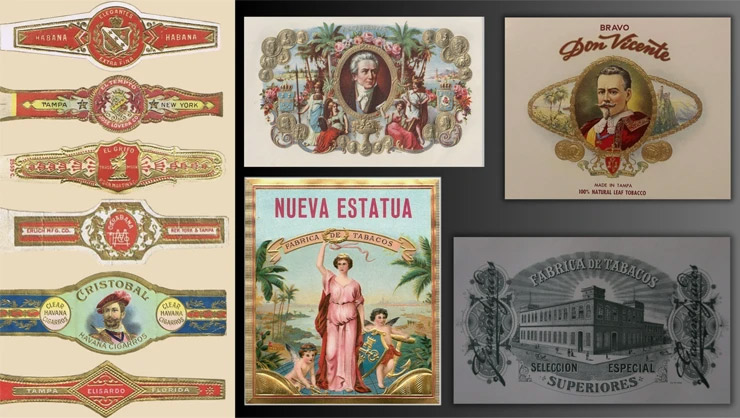
While the bands differentiated genuine Cubans from fakes, they also differentiated one cigar from another. As cigars became increasingly popular, and more and more cigars proliferated the market, bands became a key means by which brands could distinguish themselves.
Cigar bands were relatively cheap to print, and advancements in lithography meant the bands themselves could be more ornate — the colors could be bolder, the designs more detailed, the trim and foil more eye-catching. This era would come to be known as the "Golden Age" of cigar bands, a time when innovation and market competition made it possible for bands to be more than simple insignias — they were art in their own right. Even today, collectors hold these bands as the high-water mark of what is possible in cigar art, and modern makers look to this era for inspiration in crafting their own bands.
Modern Bands
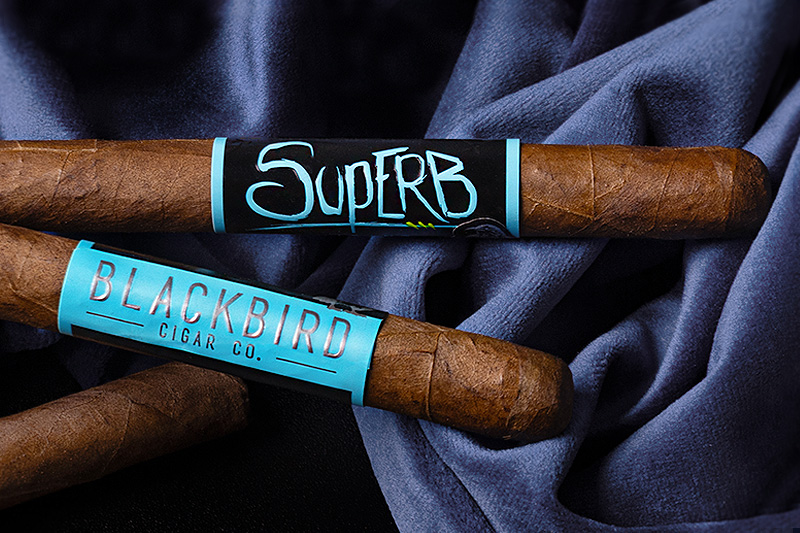
Whether it's the ornate pencil-sketches of Caldwell or the semi-art deco style of Fuente Fuente Opus X, modern bands take the lessons of the past and apply them in new ways, continuing a nearly 200-year-old tradition. Blackbird's bands, for instance, feature a perforated line near the brand's iconic bird logo that make the band easier to remove; Padron adds a second, numbered band under the top band as an added layer of security to combat counterfeiting; and Camacho uses extra-large bands to reflect the boldness of the cigar itself. All of these slight modifications are rooted in the old tradition, promising the same thing cigar bands have always promised: this cigar is worth your time.
The history of cigar bands is a fascinating example of how basic problem solving can ignite immense change — the echoes of which can be felt to this day. Do you have a favorite cigar band? Are you a collector of "Golden Age" bands? Let us know down below.
Bibliography
- Alexander, J. Bennett. "The History of Cigar Bands." Holt's Clubhouse, Holt's Cigar Company, Oct. 28, 2017.
- "The History of Cigar Bands." Havana Cigar Exchange, July 13, 2016.
- Panesso, Juan. "The History of Cigar Bands: Utility or Status Symbol." Cigars Direct Blog, July 14, 2023.
You may also enjoy:




Comments