


 |
|
 |
|


The history of cigar boxes traces the history of the cigar industry itself — telling a sweeping story of innovation, regulation, commerce, and advertisement. More than simple packaging, the cigar box — at once an organizational unit, billboard, art piece, and collector's item — offers a unique lens into the complex history of cigars, particularly in America.
Early Days

Following the War of 1812, with U.S.-British relations frayed, the United States, forced to explore new trading partners, found a commercial ally in Spain and its colonies, specifically Cuba. According to The American Cigar Company, "By the 1820s, Cuba had become one of the largest trading partners of the United States, and Cuban cigars began arriving in American ports in unprecedented volume."
U.S. manufacturers, seeing the rising interest in cigars, quickly responded to the demand, and by 1860, there were nearly 1,500 cigar factories in the country, eventually booming to around 3,500 by 1890.
Civil War
But just as war had fostered an environment for cigars' proliferation, it was also about to create a seismic change in how the industry operated.
As the Civil War raged, and wartime debt ballooned, taxes were levied on a variety of goods, including tobacco and alcohol. The trouble, however, was in actually collecting those taxes. At the time, cigars were haphazardly packaged and sometimes shipped in barrels of 2,500 — a nightmare for the revenue agents tasked with counting and collecting taxes on the tobacco. Furthermore, factories attempted to evade taxes by any means:
When a tax man walked in the door and began to physically count the factory's inventory, cigar makers protested, 'Hey, you collected taxes on those last month.' Given that tax collectors were patronage appointees, good ol' boys who had helped or were related to some politician, it's no surprise they were befuddled by masses of cigars that all looked pretty much alike. Many tax collectors found it impossible to know which cigars were tax paid and which were newly made. Many others found the confusion a convenient cover for bribery and pay-offs. (Cigarhistory.info)
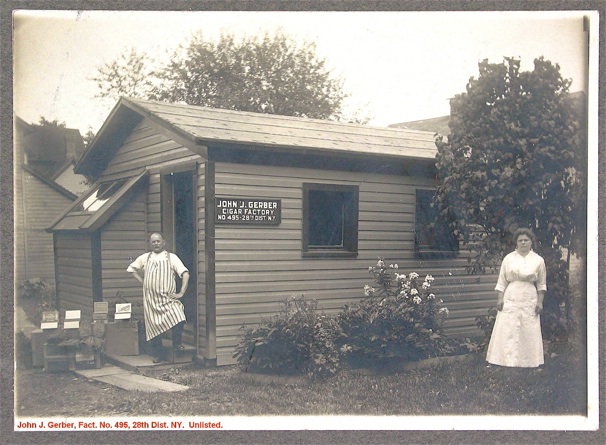
Even when Congress passed the Revenue Act of 1864, which mandated cigars be packaged in countable boxes, manufacturers "countered with an assortment of oddly shaped bundles containing heaven knows what and how many," according to Cigarhistory.info.
In 1865, Congress closed this loophole, "requiring all cigars, foreign or domestic, to be packed in wooden boxes containing 25, 50, 100 or 250 cigars, giving IRS agents somewhere to paste a stamp proving taxes had been paid," writes Tony Hyman, for Cigar Aficionado.
These boxes were predominantly made from Spanish cedar — a wood bountiful in the Caribbean and Central America. Naturally resistant to pests and molding, and capable of regulating moisture, these cedar boxes became the go-to choice for cigar packaging.
Art of the Package
Post Civil War, America's hunger for cigars continued to grow, bolstered by lowered taxes and a flood of migrant labor. Hyman writes, "By 1900, four out of five men (and a goodly number of women and children) smoked cigars."
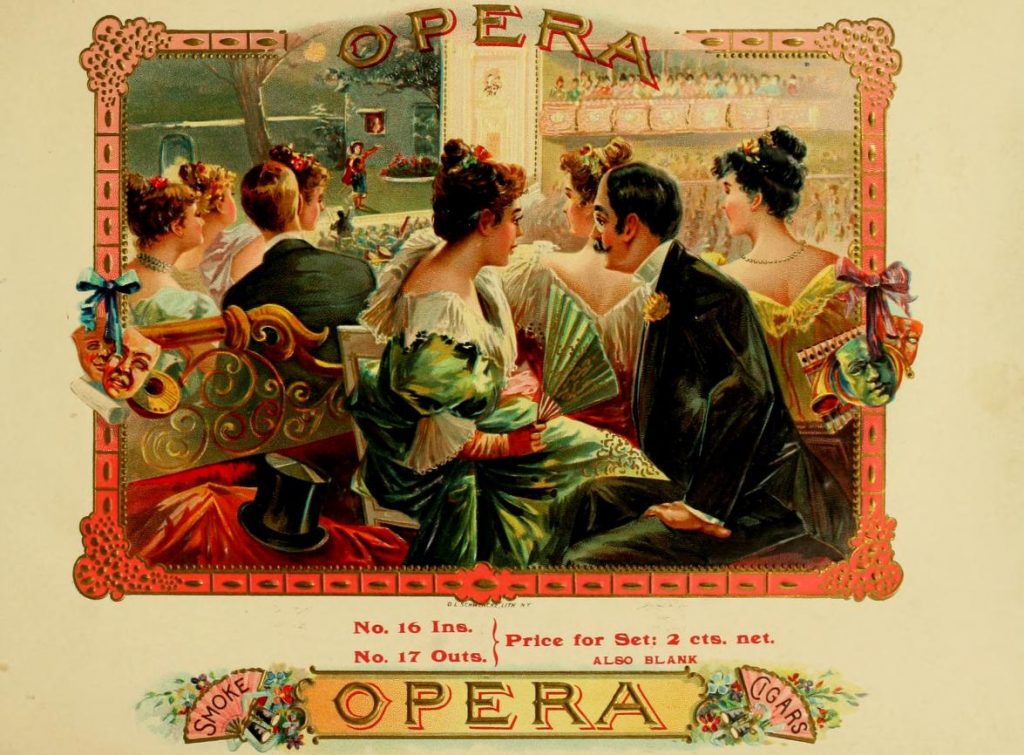
The early cigar boxes were bare and minimalist, but as the number of cigar brands grew, so did the fight for consumer attention. At the same time, breakthroughs in lithography were creating "a dramatic impact on consumer culture, too," according to The Huntington, "as colorful and appealing product labels began to influence advertising, branding, and customer choices. Everything from cigar boxes to children's games suddenly exploded with color."
These labels were flashy, colorful, and vibrant, depicting a vast assortment of images and scenes meant to differentiate the various brands from one another. This was essential to the cigar brand's identity, and survival. "During the height of cigar popularity, a small-town drugstore was forced to carry as many as 350 brands to keep its clientele happy," notes Hyman.
End of an Era and The Rise of Collectors
Advancements in machinery and factory processes led to a decline in the number of cigars brands, with a vast majority of manufacturers shuttering in the course of a decade. "After 1920, labels became less interesting, less varied and, thanks to the cigarette, less plentiful," according to Hyman. "As factories closed, the remaining stocks of their labels were usually burned."
Though the era of technicolor labels perhaps reached its apex around the turn of the 20th century, collectors continue to preserve the history of cigar boxes, cataloging, sharing, and creating a market for these advertising artifacts. While some of these boxes are certifiable antiques, fetching a range of prices, for many, they're merely a sentimental reflection of their love for the hobby.
"I've met plenty of people that collect boxes of the brand their dad or grandfather smoked," says Tyler Caldwell, our Cigar Specialist. "It's a personal thing as much as it's a historical thing."
For others, the cigar box is simply that — an ornate box used for storage, or that can be repurposed for a variety of uses.
From humble beginnings to an industry of its own, the cigar box continues to fascinate and entice, with many modern makers continuing to put new and exciting twists on their packaging, continuing a century-long tradition with no end in sight.
Do you have a favorite cigar box? A favorite style? Do you personally collect cigar boxes? Let us know down below!
Bibliography
- Hyman, Tony. "The Art of Cigar Boxes." Cigar Aficionado, Summer 1994.
- Hyman, Tony. "Cigar Tax Wars, 1863-1868." National Cigar Museum.
- "A Brief History of Cigar Boxes." Cigar Studio.
- "The History of Cigars: When Were Cigars Invented?" Holt's Cigar Company.
- "The War of 1812: The Roots of Cigar Smoking in America." The American Cigar Co. , Jan. 18, 2025.
You may also enjoy:




Comments