


 |
 |


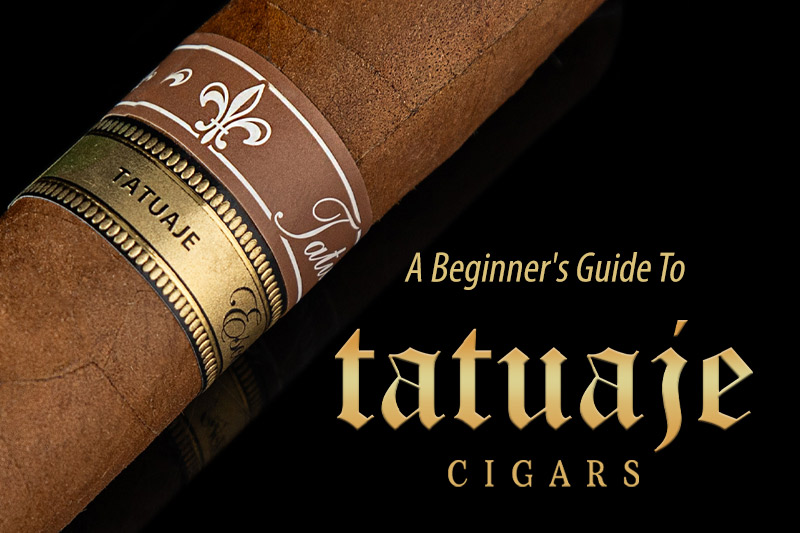
For the uninitiated, looking into a well-stocked humidor can be an overwhelming experience: the myriad of brands, bands, variations, sizes, wrapper types, special editions, limited editions, etc. Cigars can seem like a language unto themselves. To complicate matters further, each cigar brand has its own internal logic and naming conventions, often derived from a given company's or manufacturer's long-standing traditions.
We here at Smokingpipes thought it'd be helpful to create a Rosetta Stone, of sorts, to understand the nuances of different cigar brands, starting with one of our personal favorites: Tatuaje.
For over 20 years, Tatuaje has delivered impeccably crafted cigars under the stewardship of Pete Johnson, the enthusiastic mastermind behind the brand. Among the most respected names in the industry, Tatuaje continues to expand and innovate, curating one of the most enticing portfolios around.
The Big Three
Three core blends provide the foundation for Tatuaje's vast portfolio: Brown Label, Black Label, and Havana VI. Brown Label was the first blend from Tatuaje, back in 2003, and the one that put them on the map. Following that, in 2006, Havana VI arrived as Tatuaje's more budget-friendly option, crafted entirely in Nicaragua. In 2007, Tatuaje Black debuted, first as a limited release, then later as a regular-production blend.
Brown Label
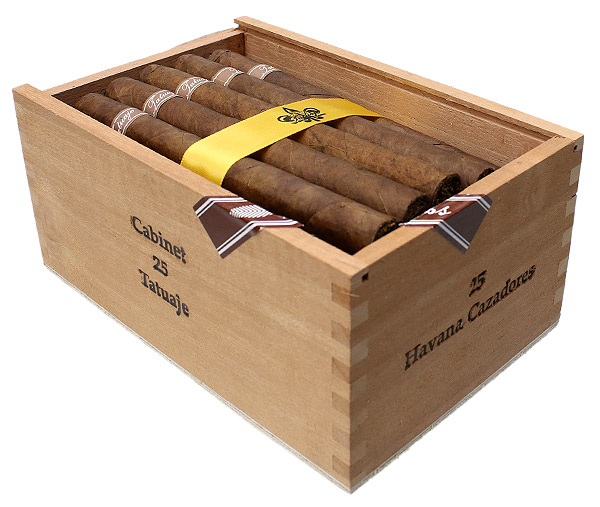
Brown Label, also known as Selección de Cazador, is the flagship line within Tatuaje's portfolio. These cigars feature brown bands, hence the name. They're crafted from Cuban-seed tobacco grown in Nicaragua and feature Ecuadorian Habano wrappers and traditional triple caps.
Brown Label has three notable "offshoots." These are effectively Brown Label blends, but with subtle alterations:
- Reserva swaps Brown Label's standard Ecuadorian Habano wrapper for Connecticut Broadleaf.
- Cojonú adds extra ligero to Brown Label's filler for more strength. The various Cojonú years — 2003, 2009, 2012, etc. — are actually different sizes rather than vintages. These cigars are offered across a number of different wrappers.
- Series P comprises budget-friendly Brown Label cigars, combining short and long fillers, AKA a "Cuban sandwich." These are available across a number of different wrappers.
"I always suggest starting with the Brown Label," says Tyler Caldwell, one of our Cigar Specialists. "It's a solid, smooth, Cubanesque, medium offering that, in my opinion, is perfect for any point in the day. And if you're balling on a budget, the Series P offerings are affordable and smoke above their price point (which explains why they go out of stock so quickly)."
Havana VI
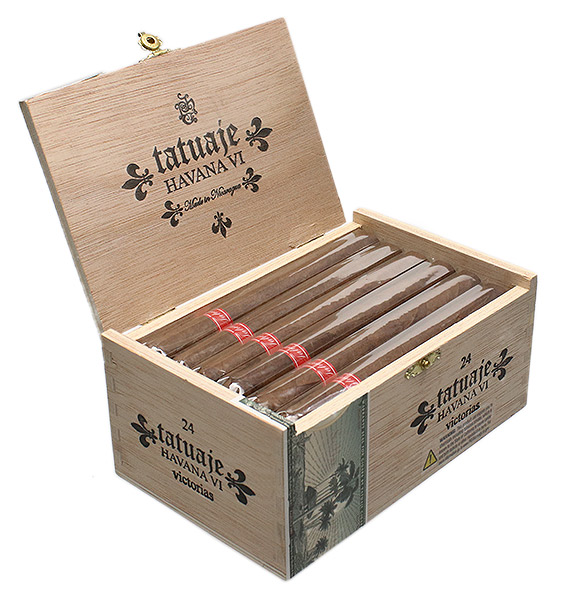
Havana VI, also known as "Red Label" for its band, was the second regular-production blend in Tatuaje's portfolio. Following the success of Brown Label, Pete Johnson partnered with Don "Pepin" Garcia to create Havana VI, a blend made entirely in Nicaragua. The Havana VI combines an Ecuadorian Habano Oscuro wrapper with Nicaraguan binder and filler.
For those who enjoy Havana VI but want something a little stronger, Verocú is the same core blend as Havana VI but with a Habano Rosado wrapper. The line was extended further with Verocú Blue, which features a Shadegrown Corojo '99 Rosado wrapper.
Alan Britt, Customer Service Manager, recommends the Havana VI for those just starting out with Tatuaje: "The Corona Gorda is a great representation of what I love about Tatuaje's blending. It's medium-ish and crazy aromatic: bright cedar, citrus, white pepper, nutmeg and minerality, and I get a blast of baker's chocolate coming through on the retrohale."
Kane Coles, Cigar Specialist, echoes Alan's endorsement, saying, "If you prefer a cigar with a bit less strength, I would start with the Havana VI line." He recommends the Hermosos and Victorias vitolas: "Both allow you to experience this Cuban-seed wrapper to its fullest."
Black Label
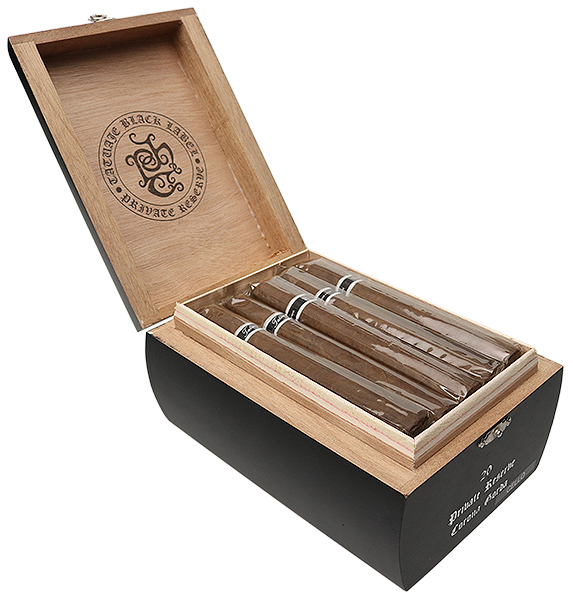
The inspiration for Tatuaje's Black Label line goes something like this: While on a trip to Cuba, Pete Johnson smoked a variety of cigars, but those that spoke the most to him the most weren't made by the large factories; they were the ones made by regular people, their own private blends. One particular cigar struck Pete Johnson, and when he returned home, he wanted to attempt to recreate it for himself. That attempt became Black Label, also known as Private Reserve, a Nicaraguan puro featuring a Sungrown Criollo wrapper. Originally released in 2007 in limited quantities, Black Label joined regular production in 2011.
Alan describes Black Label as "the darker, more unique side of Tatuaje's portfolio." He recommends the Corona Gorda, his favorite size: "I get dark oak, almost lavender-like florals, Biscoff sweetness and coffee with cream. It's an incredibly unique profile that I've never tasted anything quite like."
Wrapper Variations
Occasionally, Tatuaje will alter a blend's wrapper, using a secondary band to indicate the alternative varietal. Once you know the naming convention, you can easily decipher the blend at a glance.
| Label | Wrapper |
|---|---|
| Corojo | Nicaraguan Corojo |
| Tuxtla | Mexican San Andrés |
| Reserva | Connecticut Broadleaf |
| Capa Especial | Ecuadorian Sumatra |
Take the Tuxtla 7th, for instance. It's a Tatuaje Brown Label blend, indicated by its brown band; it's offered in the 7th vitola (5.63" x 46); and it features a Mexican San Andres wrapper (Tuxtla).
Beyond the Big Three
In addition to the previously discussed core blends, Tatuaje offers a number of other cigars, though they are relatively more straightforward and not related to the big three.
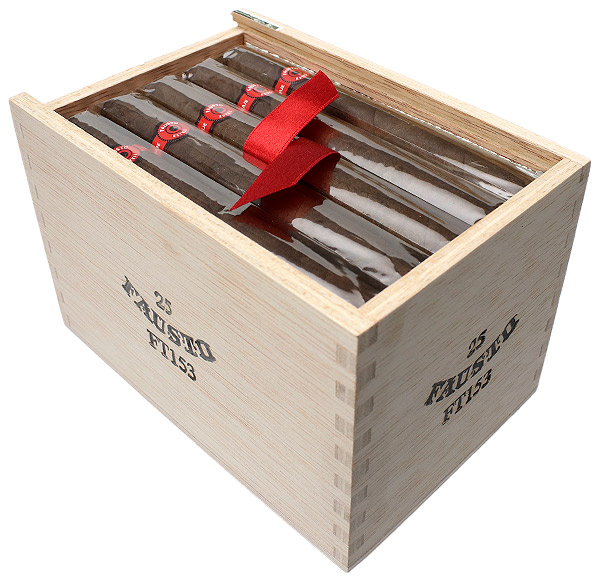
Fausto is perhaps the strongest blend in Tatuaje's portfolio, featuring a heavy dose of ligero tobaccos from Nicaragua's Estelí and Jalapa regions under an Ecuadorian Habano Maduro wrapper. The sizes range from FT110 to FT187, with the numbers — such as "110" — representing the length in millimeters. Avion is the same blend as Fausto (barring occasional wrapper variations), but in box-pressed figurado sizes, such as a 6.875" x 52 Double Perfecto.
The Monster Series is an annual limited-edition release, which began in 2008 with The Frank. Each release is inspired by an iconic horror villain and arrives around Halloween. Though the original releases are no longer available, "Redux" versions (limited-edition rereleases) are dropped with some frequency. Additionally, smaller versions of the Monster Series, called "Skinny Monsters," are also available; these are regular-productions but released in limited quantities.
Tatuaje's 10th Anniversary and 20th Anniversary are regular-production blends. Mostly. (The 10th Anniversary iterations with alternative wrappers, such as the 10th Anniversary Capa Especial, are limited). The 10th Anniversary comprises an Ecuadorian Habano wrapper over Nicaraguan binder and filler; the 20th features an Ecuadorian Habano-seed wrapper, a Nicaraguan double binder, and Nicaraguan filler tobaccos.
For our purposes, those are Tatuaje's main lines, though the portfolio continues even further, with plenty to explore once you're familiar with the core releases, including Cabaiguan, El Triunfador, Négociant, Tattoo, and Sextooth.
Hopefully, this guide can get you started on your Tatuaje journey and help you dive into one of the industry's leading cigar makers. Let us know what your favorite Tatuaje blends and sizes are in the comments and what other cigar brands you would like a guide for.
You may also enjoy:



Comments
This is a great for cigar lovers. Keep the series going and do a part two for Tat in the future.
希望能找到手卷,但是看来看去都是雪茄、斗草、斗