


 |
|
 |
|


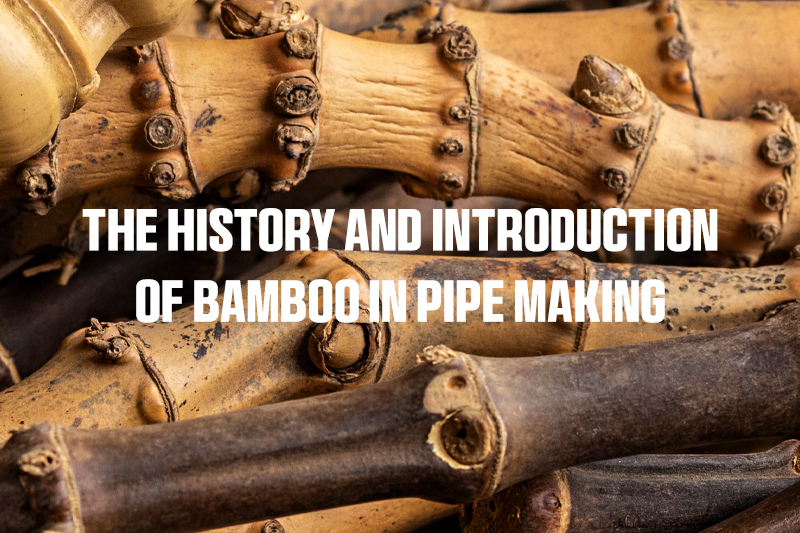
Bamboo from Adam Davidson's Collection
A range of unique materials are used in pipe making, for everything from stummels to accents and stems. One fascinating material is bamboo. With hundreds of species and an array of uses, the world of bamboo is intriguing, and today we will explore its history and use in pipe making.
Part One of a three-part series on bamboo in pipe making.
A special thank you to Shane Ireland and Adam Davidson for their expertise and enthusiasm to assist me in the research for this piece.
History of Bamboo
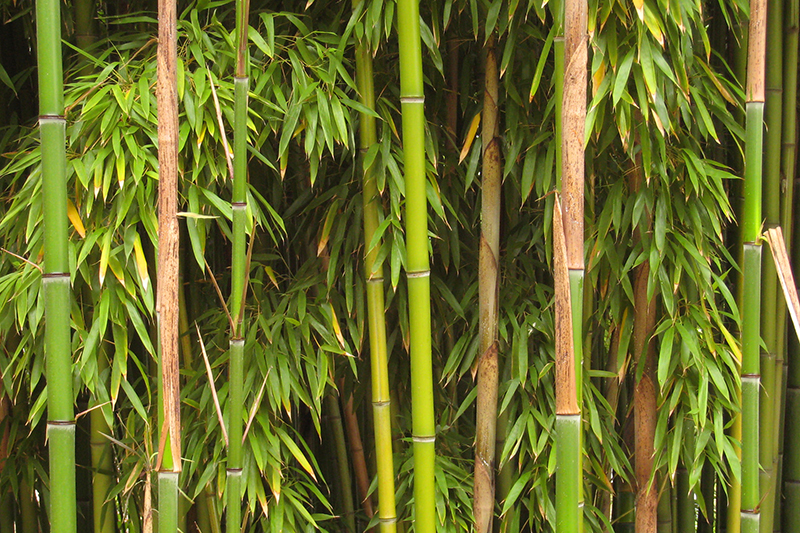
Bamboo is a member of the grass family and is commonly used in wood-working projects. Its stalks are able to regrow quickly when harvested, also growing much taller and broader than common grasses you might find in your lawn. Did you know that there are over 1400 bamboo varieties, with varying growth potential? Forever Bamboo states that some grow only four-to-six inches, while others can skyrocket up to 130 feet!
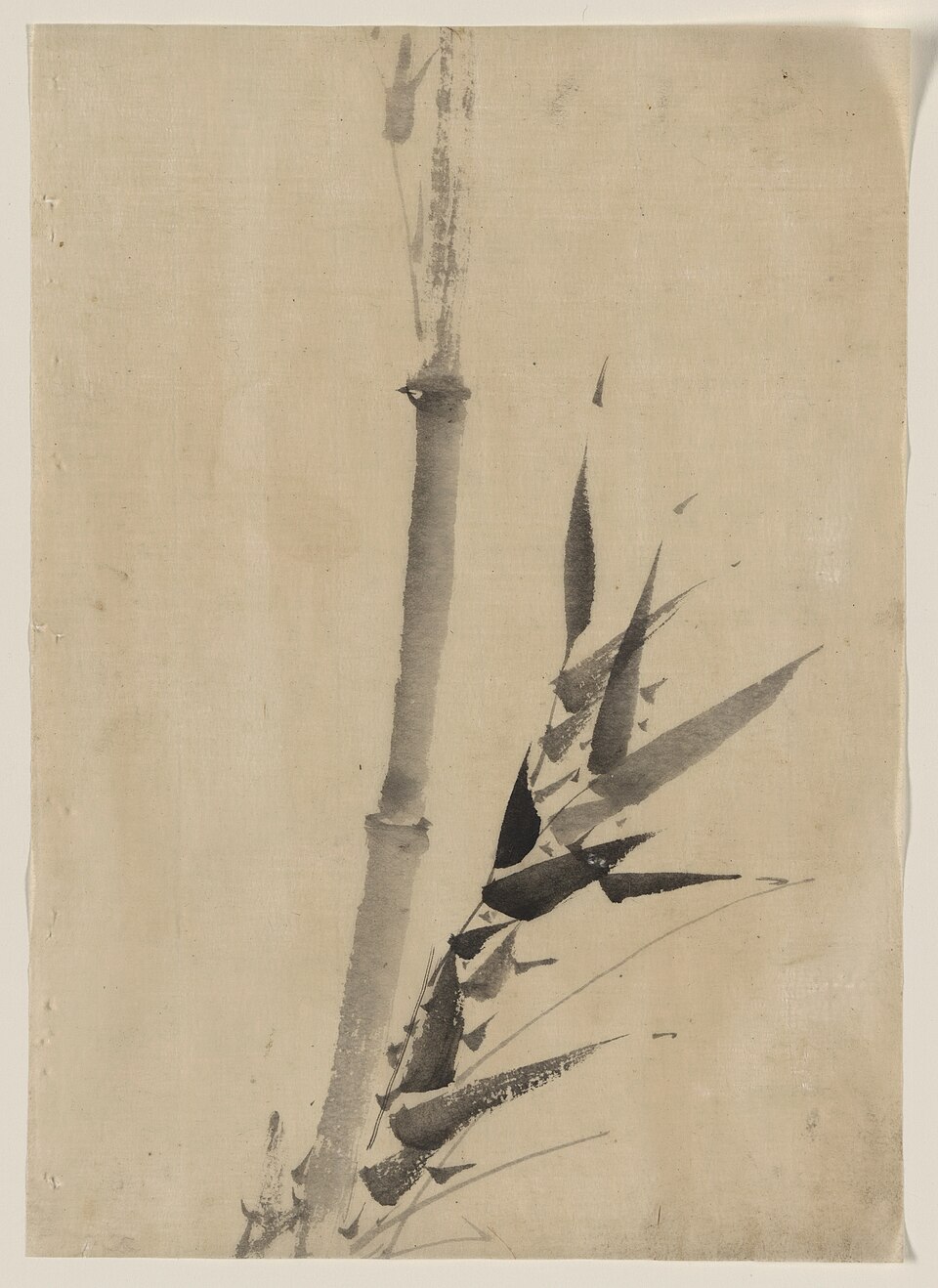
Young, tall bamboo species have the potential to grow about three feet high in just one day, while others can grow up to one foot per day. Bamboo grows throughout southeast Asia, as well as China, Japan, the United States, Australia, India, Africa, and South America. It thrives most in warmer climates, according to Forever Bamboo: "As long as the weather is right, however, bamboo can proliferate and spread throughout an area, which can make it challenging to remove. That's likely why it has spread throughout continents and countries."
For farmers, bamboo is a valuable crop because it is fully ready to be harvested after just one growing season. Some hardwoods can take up to 100 years to grow to their peak height, but bamboo reaches its maximum in one growing season. Even when cut down, as long as the energy supply is sustained, the plant is regenerative, giving harvesters peace of mind knowing that they can take from the crop and come back during the next season and count on regrowth.
Durable, lightweight, and featuring hollow cavities, bamboo shoots are excellent building material and are lighter than wood in hand. "While the stem, or culm, of bamboo plants is the most significant part," says Forever Bamboo, "individuals have used other sections of the plant throughout history." Bamboo produces leaves, which help the plant collect energy. Many cultures harvest these leaves to feed livestock, and panda bears also incorporate it into their diets. "If leaves get the chance to photosynthesize in the sun, the network of bamboo plants will keep growing." Many varieties of bamboo spread through an underground network of rhizomes — stems buried beneath the soil, which make bamboo spread excessively if it isn't properly contained.
Bamboo is also helpful to surrounding areas it is planted around. It helps create cleaner air by absorbing nutrients from sewage and helps to prevent flooding from the network of roots and stems, slowing down the flow of water by absorbing excess amounts. For all of these reasons and more, bamboo became a vital resource for daily life centuries ago, inspiring a "bamboo culture," as Forever Bamboo refers to it. "Generally, the plant symbolizes beauty and regrowth or resistance. In addition to the use of bamboo in daily life that created this culture is its use over several millenia."
Documented uses of bamboo date back 7,000 years, but the crop itself existed before humans arrived on Earth. "Over 5,000 years ago, Chinese people used bamboo to construct treehouses, beginning its legacy as a sturdy building material," says Forever Bamboo. "From around 200 BCE to 200 CE, bamboo created paper and books. With that came the classification of over 60 documented plant varieties in China between the third and fifth centuries. The more individuals discovered about this plant, the more they wanted to use it."
As a crop, bamboo is easy to grow, harvest, and transport, making it a popular choice for building. With shallow roots, bamboo thrives in areas where the soil becomes rockier a foot or so down. "That makes it easier to plant and grow because farmers don't need to clear out rocks or other materials buried in the soil," according to Forever Bamboo. The crop also lasts a long time, yielding materials for about 50 years with proper maintenance, and is self-sufficient after only a few years of helping the plant along. Naturally, a material this useful, long-lasting, and durable was sure to make its way into pipe making.
Bamboo in Early Pipes
Bamboo is a more efficient alternative to hardwood, mainly for its flexibility. It has the ability to bend without breaking, making it useful for curved projects, from sculptures to handles of handbags, and in our hobby, pipe making. It is also durable, long lasting, and less prone to warping than wood, making it particularly well-suited for humid climates. It also adds texture and versatility to projects.
Prior to its incorporation in tobacco pipes as artistic choices for shanks in the 20th century, the use of bamboo in pipes can be traced back to ancient times. Bamboo has origins as a natural and hollow material for alternative methods in Asia. Ryan Li, an expert in smoking accessories, shares: "In Asia, particularly in countries like China, Thailand, and Vietnam, bamboo has long been used as a readily available and versatile material for crafting smoking pipes. In the past, pipes were not just tools for smoking but also objects of cultural and social significance."
From traditional Chinese medicine to relaxation and ceremonial activities, pipes have been deeply involved in the culture, particularly in southeast Asia with the use of bamboo water pipes. Some of these pipes were large in size for communal use at social gatherings. "People would gather around these pipes, taking turns to inhale the smoke, which was filtered through water," says Li. "This communal smoking was a way to strengthen social bonds and share stories." These pipes served as a key source of tradition, hospitality, and community.
The hosts of these gatherings would offer a smoke from a bamboo pipe to a guest visiting as a sign of respect and friendship. Additionally, artisan-made creations were appreciated for their artful craftsmanship, many skilled artisans decorating the bamboo pipes with intricate carvings, paintings, and other forms of ornamentation, adding aesthetic appeal and reflecting cultural values of a particular region.
Now that we understand bamboo's background as a crop and in pipes of old, how did bamboo make its way into tobacco pipes as we know them today?
The First Bamboo in Tobacco Pipes
The earliest tobacco pipes featuring bamboo are believed to have originated with Dunhill, specifically through their Whanghee pipes in the 1920s during Dunhill's patent era (pre-1953), according to pipe-history lore as told by Shane Ireland, our VP of Retail. According to MBSD pipes, "The shorthand for this type of bamboo (along with a variety of others) is whangee. Whangee originally comes from a Mandarin term, 黃藜, or huáng lí, in pinyin."
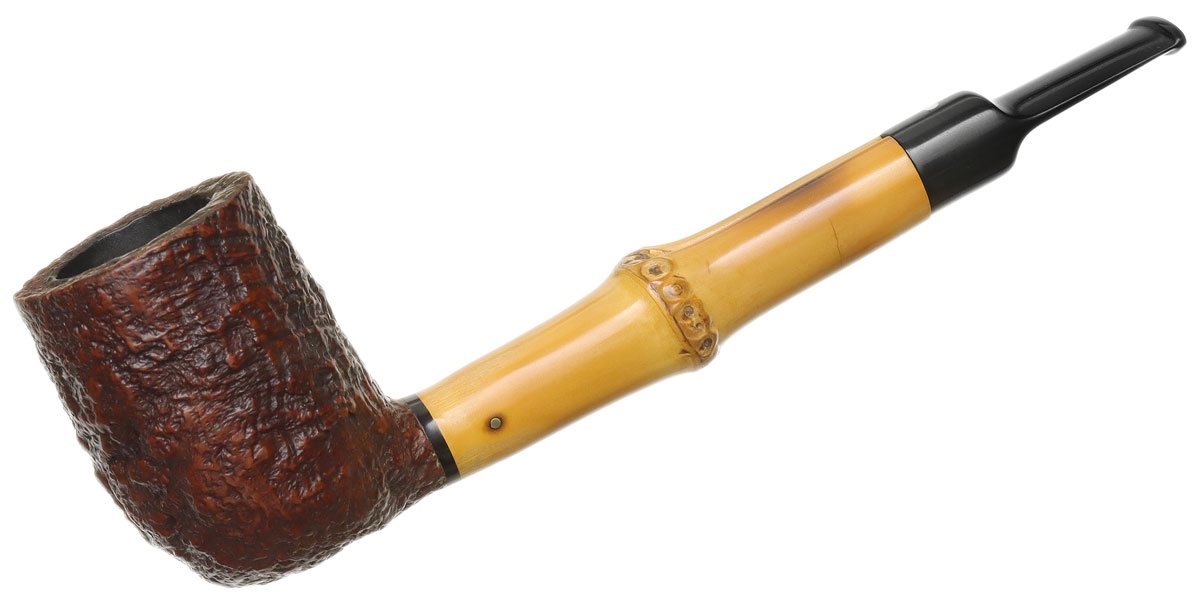
Dunhill Whanghee Pipe
The English marque pioneered the use of bamboo, likely to conserve briar during its shortage in WWII. Pipe makers worldwide suffered from the lack of briar, leading some companies to make smaller pipes to conserve the material. They made up for the length of the pipe with some kind of extension. One such material was the root system from bamboo, coming from Asia. "Bamboo was already used for purse handles, walking sticks, and other luxury goods back in the day," says Shane, "so Dunhill likely just borrowed from that stock."
Stanwell is also credited with the use of bamboo in pipes in the early '50s, a few decades after Dunhill's Whangees. Bamboo was allegedly used as a way to salvage bowls that were damaged, too small to carve enough shank, or had a fatal flaw in the shank. According to Shane, "Some bowls would otherwise not be used for anything without bamboo. Like most pipe-making innovation, it was driven out of necessity."
It wasn't until Sixten Ivarsson's contributions in the mid-1900s that bamboo was used as an aesthetic choice in freehand artisanal designs. Our estate restoration manager and resident artisan pipe maker Adam Davidson shares his insights into the world of bamboo in pipe making, stating, "Sixten was probably the first to use bamboo, not just as a way to repair a pipe, but going in with a nice block of briar with short shanks with the intention of using bamboo in the design." Shane agrees, stating, "For Dunhill, it wasn't about the design, proportions, or composition, but more as a way to salvage an otherwise unusable briar pipe; for artisans in the decades that followed to the modern day, bamboo was a way to make their designs more unique and organic."
Adam shares more about the challenge of utilizing bamboo stylistically:
Usually, somebody made a Billiard and there was a flaw in the shank. They would cut it off and Sixten would put on bamboo or horn. If bamboo was used, he would match the bamboo to the shank and have the stem look elegant. It's really one of the hardest things to do because when you have bamboo on a pipe, especially with something like black bamboo, the skin is very thin and a good bamboo pipe that has black knuckles needs to be sanded together. Since the darkness is so fine, you have to use really fine sandpaper.
Here at Smokingpipes, Truett Smith shared a piece on the History of Pipe Design in Denmark, which also highlighted Sixten's contributions to this movement in pipe making. "While alternative materials weren't uncommon as accents, their incorporation into the overall composition wasn't as artfully considered until Sixten and the artisan pipe-making movement... Ivarsson and the artisans he mentored began using bamboo and other adornments as elements of pipe design, matching the rhythm of the material's knuckles with the base of the saddle stem and the heel."

Sixten Ivarsson's Peewit design with Bamboo
The concept spread among artisans like Tom Eltang and Hiruyoki Tokutomi who artfully utilized bamboo in astoundingly creative ways. From extensions to shanks, bamboo was part of the artistic vision for many in the West, who used compressed nodes of bamboo to make asymmetrical pipes. The natural, lightweight strength and organic appearance of bamboo gave pipes that utilized it a distinctive charm. "While traditional briar offered durability and familiarity," says Truett, "bamboo introduced character, contrast, and subtle resilience — giving each pipe a unique signature." Both functionally and design-wise, bamboo is a beautiful, organic expression of artistry.
Modern Bamboo in Part 2
The organic aesthetic of bamboo pieces within pipe making made it quite popular over time; No two bamboo pieces are exactly identical, and each has a one-of-a-kind visual appeal. Shane and Adam both love bamboo in pipes, and had a lot to say about modern production, which we will explore in Part 2 of our exploration of bamboo in pipe making. For now, we can admire the harmonious balance of form, function, and aesthetic beauty that bamboo in pipe making affords, adding so much character to pipe designs.
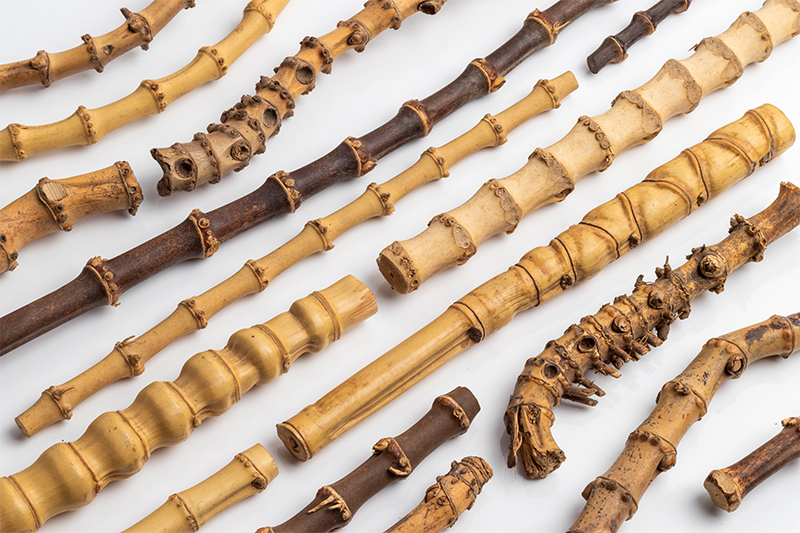
Bamboo from Adam Davidson's Collection
Bibliography
- 1952 Dunhill Shell Whangee sandblasted billiard estate Briar Pipe, English Estates -. MBSDpipes.com. (2024, December 4).
- Admin. (2025, February 19). History of bamboo and its usage - bamboo products: Thatch products: Forever bamboo blog. Forever Bamboo.
- Altinay, S. (2025, May 1). Bamboo Meerschaum Pipes: Tradition Reinvented with Nature's Elegance. Meerschaum Blog.
- Li, R. (2025, December 14). What is a bamboo smoking pipe?. Wenzhou Chuan Cheng Industry and Trade Co., Ltd.
- Smith, T. (2021, March 12). The History of Pipe Design: Denmark. The Daily Reader.
You may also enjoy:





Comments
I hate cliffhangers, but I'm looking forward to the next article. Very interesting subject, thanks!
Great piece, look forward to part II.
As always, you folks have given a very interesting and informative piece. I can't wait to read the rest of it.
Interesting and informative. Thanks for providing it.
Very interesting