EN
EN
 JA
JA ZH
ZH





 All New Pipes



















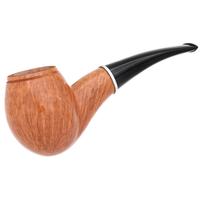
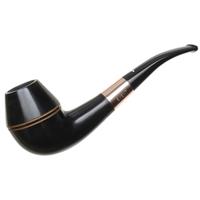
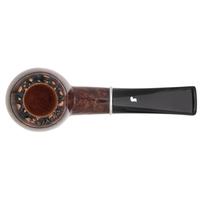
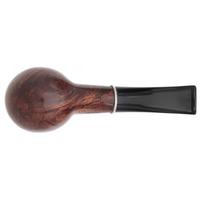
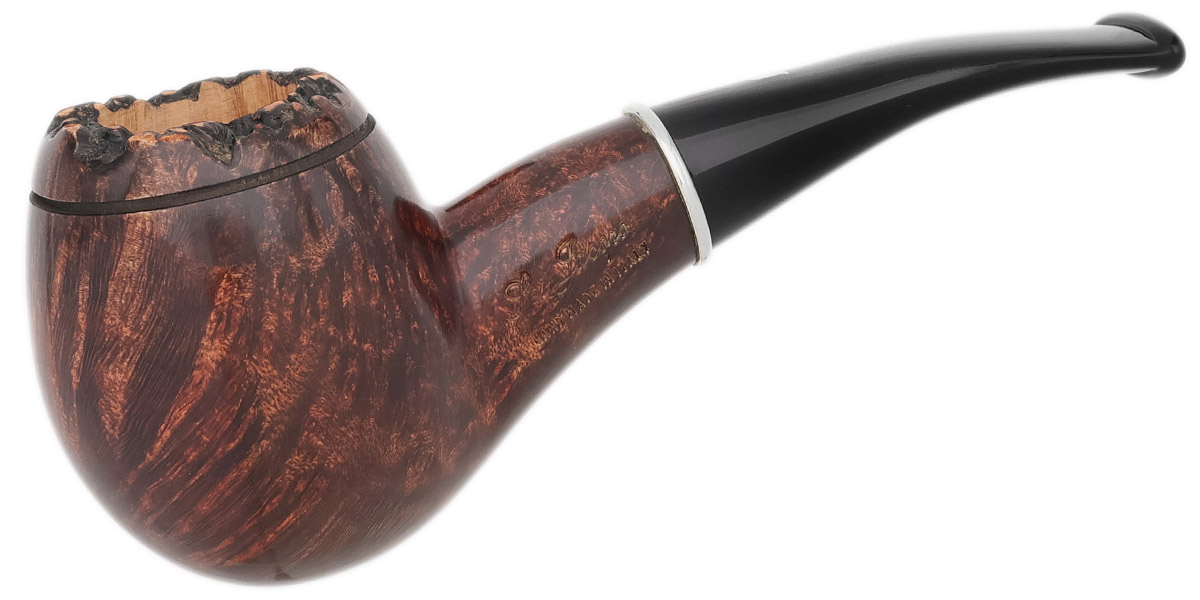
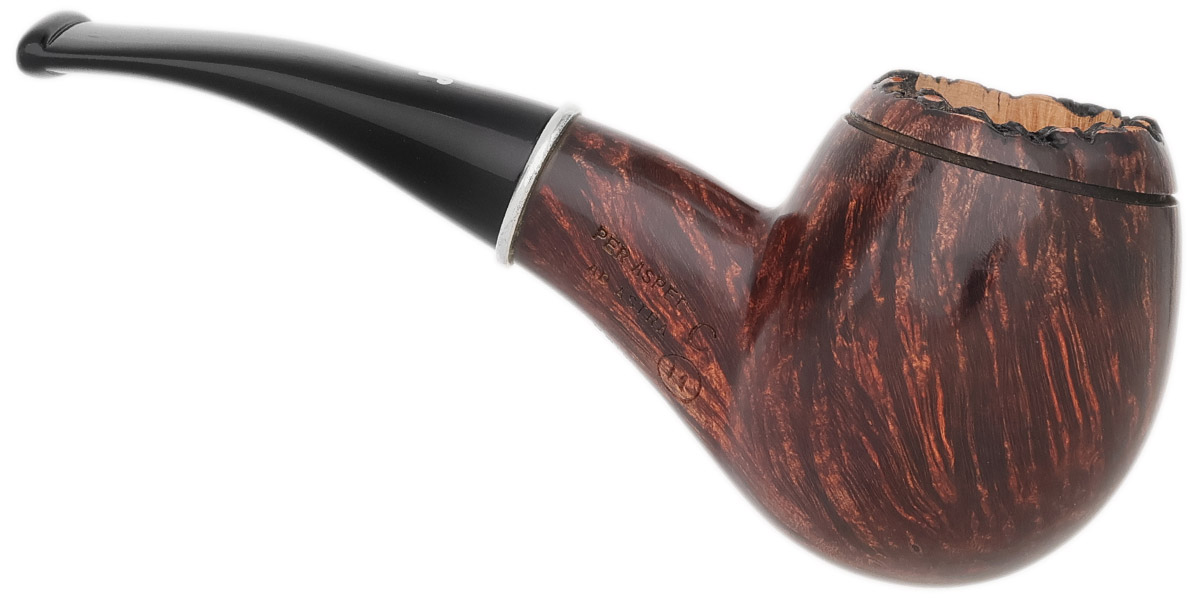
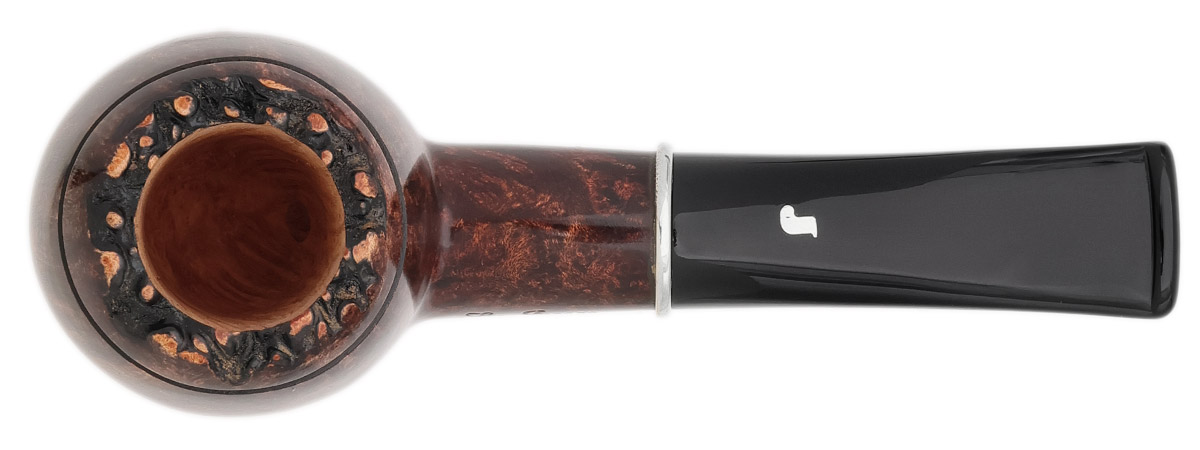
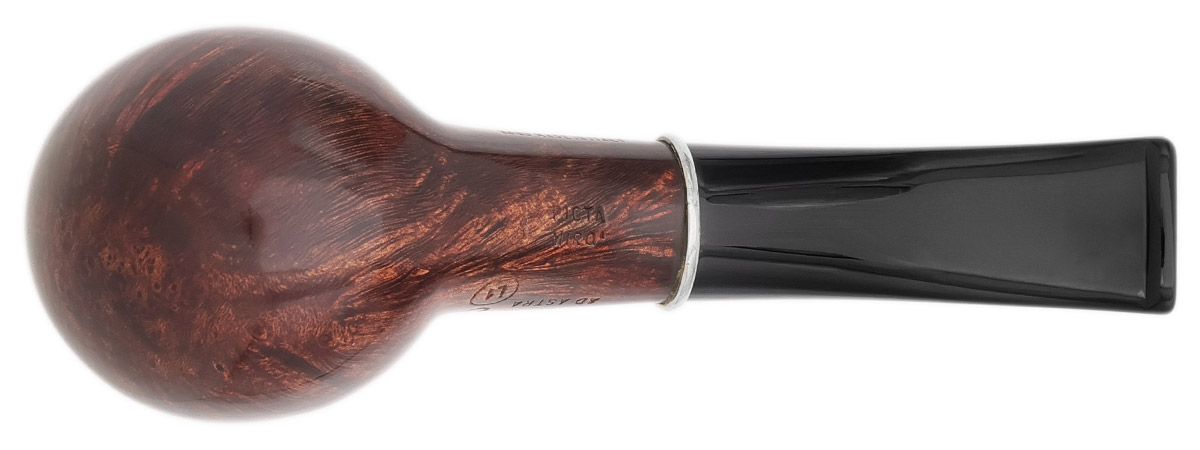
Picta Miro Smooth Hawkbill with Silver (L1) (C) (1) Tobacco Pipe
Product Number: 002-171-4711



Measurements & Other Details
- Length: 4.76 in./120.90 mm.
- Weight: 1.79 oz./50.80 g.
- Bowl Height: 2.04 in./51.82 mm.
- Chamber Depth: 1.44 in./36.58 mm.
- Chamber Diameter: 0.82 in./20.83 mm.
- Outside Diameter: 1.62 in./41.15 mm.
- Stem Material: Acrylic
- Filter: None
- Shape: Hawkbill
- Finish: Smooth
- Material: Briar
- Country: Italy
About This Pipe
Giancarlo Guidi founded Ser Jacopo in 1982 after leaving Mastro de Paja. Through Ser Jacopo, Guidi established his own unique aesthetic as a part of the southern Italian Pesaro style. He set himself apart from the northern Italian neoclassic style with a stark divergence from Anglo-French shaping and finish traditions, a maximalist style, and overt references to modern art. Ser Jacopo's motto can be found stamped onto their pipes in Latin: "Per Aspera ad Astra," which means "Through Hardship to the Stars." The phrase symbolizes the importance of hard work in achieving great things and is a testament to the brand's commitment to crafting high quality smoking pieces.
Guidi found inspiration in fine art and everyday life, with his muses being as diverse as the pipes he saw fisherman smoking or those depicted in the art of Van Gogh. Ser Jacopo's Picta series leans into the inspiration Guidi found in the arts, with the Miro line modeling its pipes after those found in the Spanish artist Joan Miro's work. This Hawkbill from Ser Jacopo is designed based on a pipe featured in Miro's 1918 piece, Still Life with Coffee Mill. This Hawkbill from Ser Jacopo is a thoroughly Italian rendition of the shape. The pipe's compact length renders its thick proportions into a muscular style, both the shank and stem being brief to place the bowl at the center of the show. A thick beadline encircles the rim, above which mesas of plateau crown the walls, their smooth tops interspersed among flowing black valleys. A silver band at the junction adds an element of refinement to the piece, contrasting the warmer hues of the smooth-finished stummel. It's a beautiful work of Italian pipe making with a unique connection to art history.
– Aysia WaltonSimilar Pipes