EN
EN
 JA
JA ZH
ZH




 All New Pipes









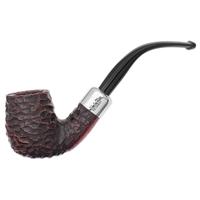
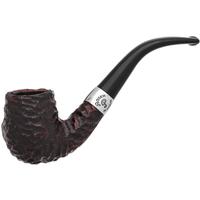
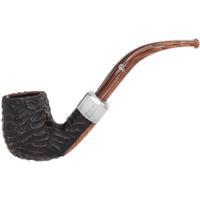
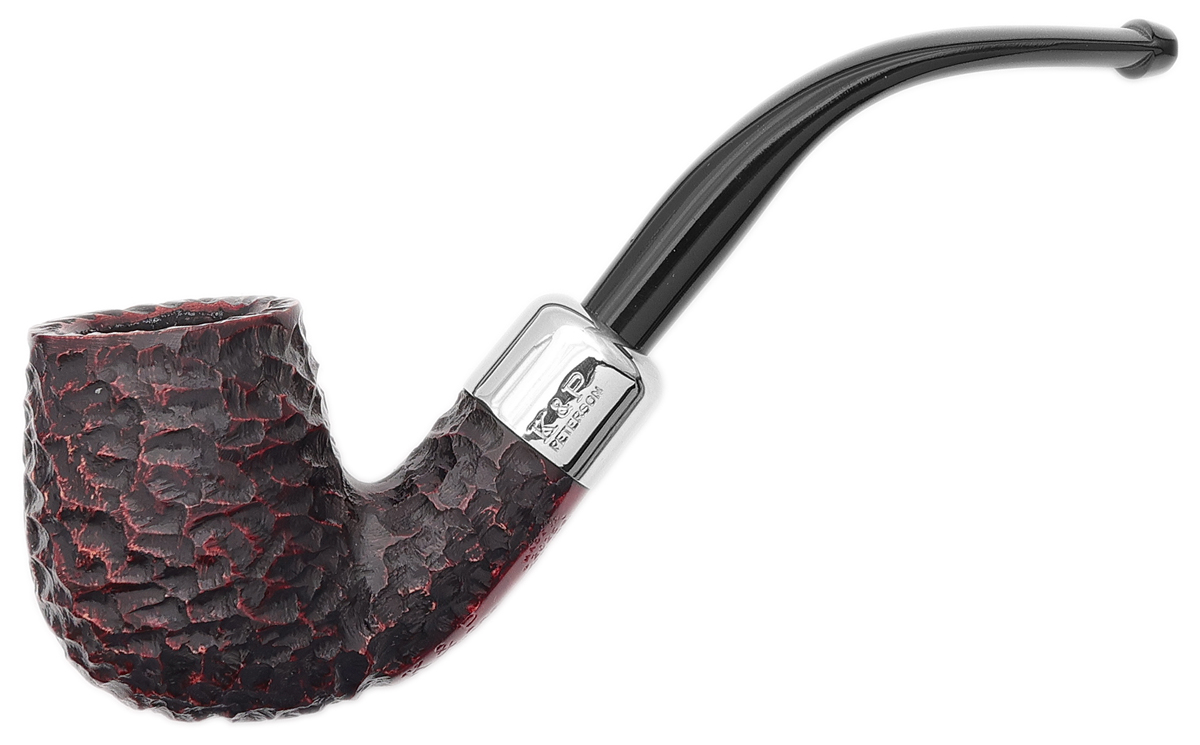
Irish Made Army Rusticated (160) Fishtail Tobacco Pipe
Product Number: 002-029-130727
We apologize, but this item is temporarily out of stock. Please check back with us in a few days.

Notify me when this product becomes available!
What's this?
By clicking on the 'Email Me' link you are signing up for a One-Time Alert to be notified when this product's comes back in stock. When the product becomes available, the alerts will be sent in the order in which customers signed up for the alerts. Don't forget: this is a one time alert. Once the product has come back in stock, you'll need to resubscribe for future notifications.
Ask a question about this product.

Measurements & Other Details
- Length: 4.69 in./119.13 mm.
- Weight: 1.20 oz./34.02 g.
- Bowl Height: 1.72 in./43.69 mm.
- Chamber Depth: 1.48 in./37.59 mm.
- Chamber Diameter: 0.76 in./19.30 mm.
- Outside Diameter: 1.29 in./32.77 mm.
- Stem Material: Vulcanite
- Filter: None
- Shape: Bent Billiard
- Finish: Rusticated
- Material: Briar
- Country: Ireland
About This Pipe
Even though Peterson presents other more diminutive shapes, such as their line of Specialty Tankard, Barrel, Belgique, and Calabash designs, the "160" remains one of the Irish marque's most svelte offerings. Both the "314" and "317" bent Billiards are similar in overall size, yet the "160" features a shank and transition that are significantly trimmer, forgoing Peterson's signature muscular style. It makes for an iteration of the shape chart standard that maintains traditional English and French shaping cues, perfect for collectors drawn to Peterson's history and quality craftsmanship but who desire a classic shape of more slender proportions.
The Irish Made Army line from Peterson is devoted to the military mount. The construction requires a metal cap around the shank end and a stem devoid of tenon, the tapered base of the stem fitting directly into the mortise. The metal mount adds reinforcement to the briar, and the lack of a tenon ensures a snug fit unaffected by varying temperatures or years of wear. The design's lineage and moniker date back to WWI when soldiers would repair cracked shanks with spent shell casings. Practical and aesthetically handsome, the motif has lasted the better part of a century — showcased here in a rugged rustication and flashy nickel mount.
-Truett Smith