


 |
|
 |
|


When you're just beginning your pipe-smoking journey, it's easy to become overwhelmed by the myriad brands, sizes, shapes, and styles of pipes available. Do you start with a straight or bent pipe? Briar or meer? And which stem material? While selecting your first pipe ultimately comes down to personal preferences, there are some basic tenants you can follow to ensure your first smoke is as enjoyable as possible.
Our hobby carries a lot of terminology that may seem like an alien language when you're just starting out. Thankfully, we have plenty of pipe-smoking resources here on the Daily Reader to help jumpstart your learning, including practical guides on how to pack and light to videos on regular pipe maintenance. You may find The New Pipe Smoker's Buying Guide helpful; it's packed with recommendations for pipes, tobacco, and accessories that serve as good starting points for the hobby. Additionally, many find our best-selling listicles valuable references in finding their next smoke.
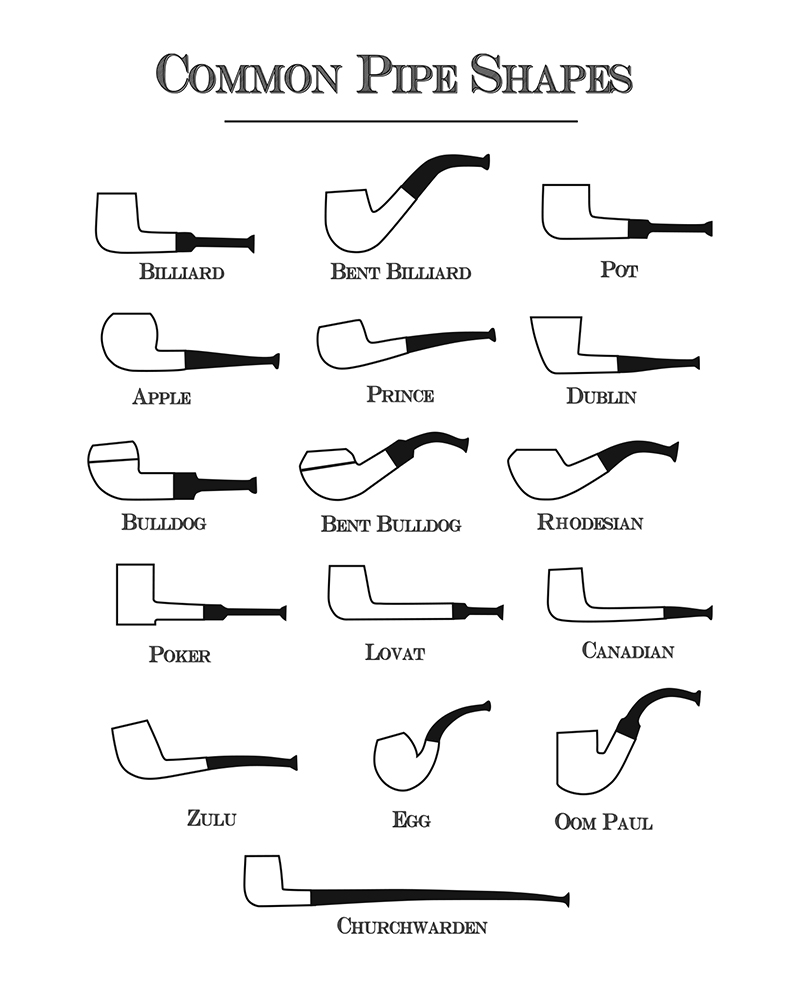
There are a variety of shapes to choose from when selecting a pipe that impacts the overall appearance as well as smoking experience of each pipe, from Acorns to Zulus and everything in between. Some common shapes you might have heard of include Billiard, Apple, and Poker pipes.
Get Acquainted With Pipe Bowl Materials
The next consideration is what material is right for you. Two options for a first pipe material that are quite common and practical can be briar and corn cob pipes.
Briar
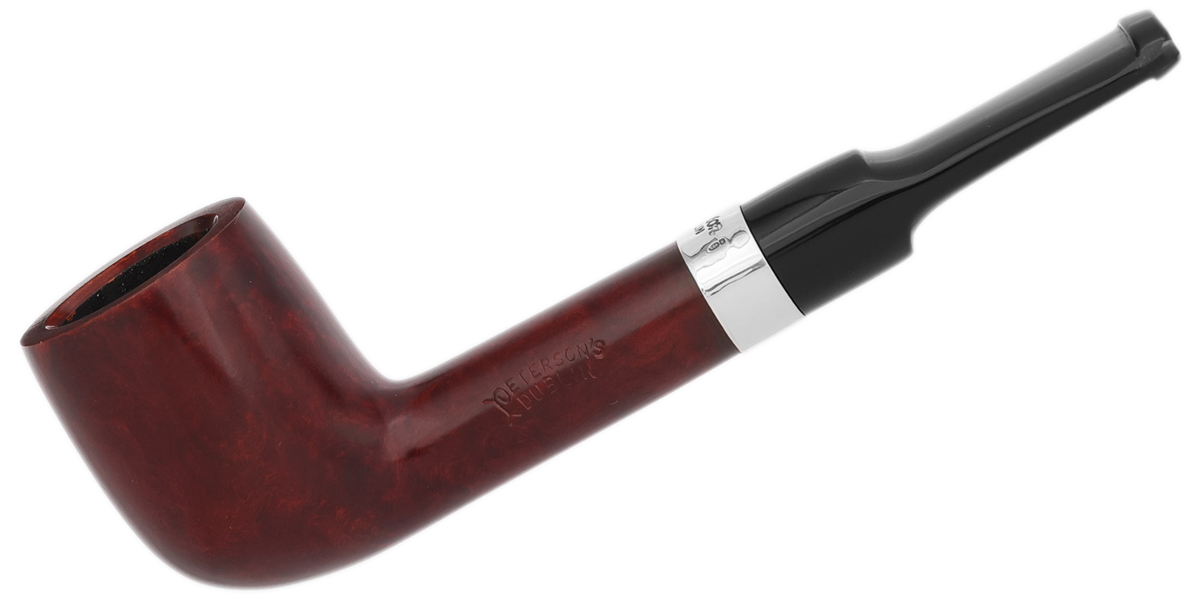
Briar pipes are the most common material used today and most popular among pipe enthusiasts for their excellent smoking properties, their stunning grain, and the myriad of designs available. We have a large variety of briar selections to choose from. Peterson and Savinelli are excellent entry points into the hobby, for example, with plenty of shapes, sizes, finishes, and stem options to explore.
Corn Cob
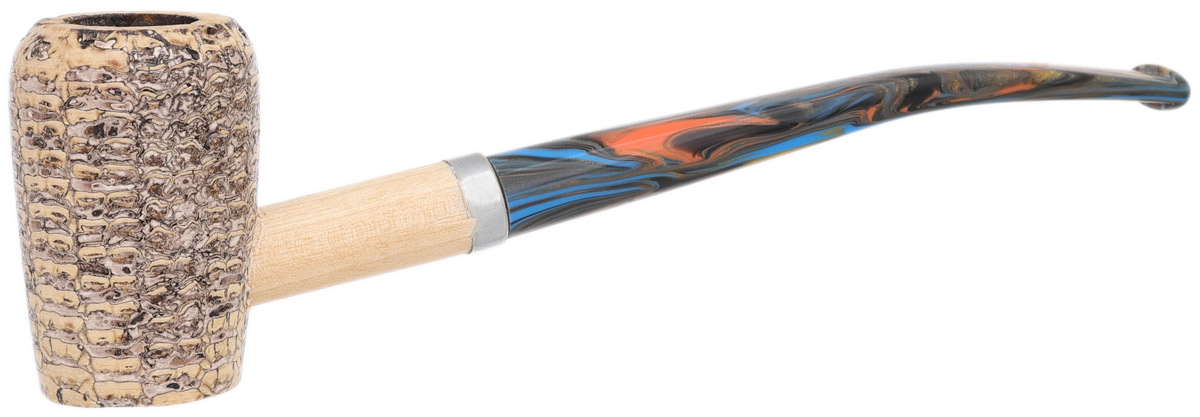
Corn-Cob pipes are inexpensive, light to hold, and great for someone just starting out. They provide pleasant smokes and a variety of designs. Missouri Meerschaum is the most popular corn-cob brand and provides both beginners and seasoned veterans with an easy, sweet-smoking pipe at a valued price.
Other Materials To Consider
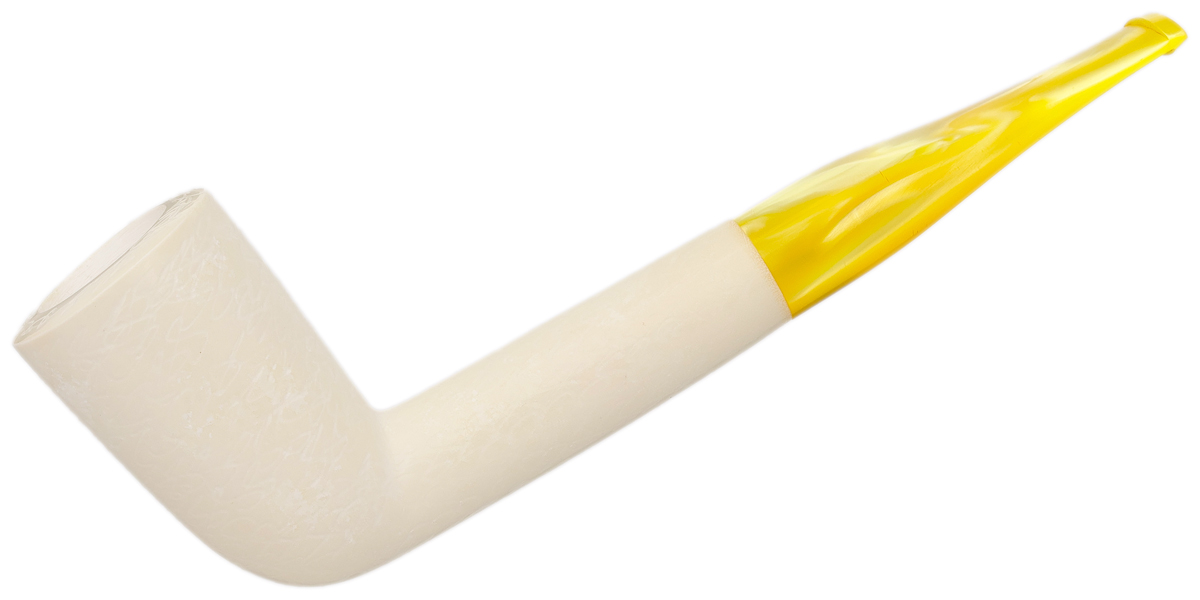
There are various materials available, including clay, meerschaum, morta, olivewood. For a deeper dive into these materials as well as some others and the two mentioned above, we recommend checking out this article, explaining the key differences between each, maintenance tips, and more.
Explore Various Stem Materials
Another aspect of a pipe to consider is the array of stem materials to choose from. The stem is the part of the pipe that extends from the shank and includes the mouthpiece. Given that the mouthpiece is perhaps the element of the pipe that sees the most contact when smoking, many collectors select pipes specifically based on stemwork.
Acrylic
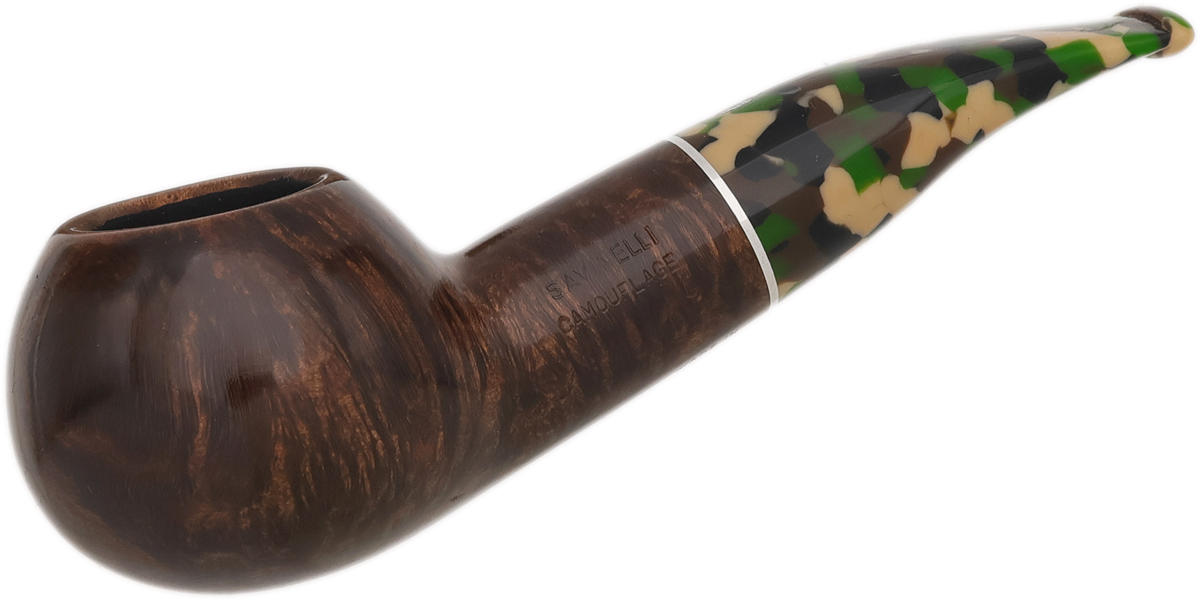
Acrylic is among the most popular materials, utilizing hardened, heat-resistant plastic for stem production as well as tenons and accent bands. It is preferred among materials for its durability and workability, maintaining its color over time as it will not oxidize with use.
Vulcanite
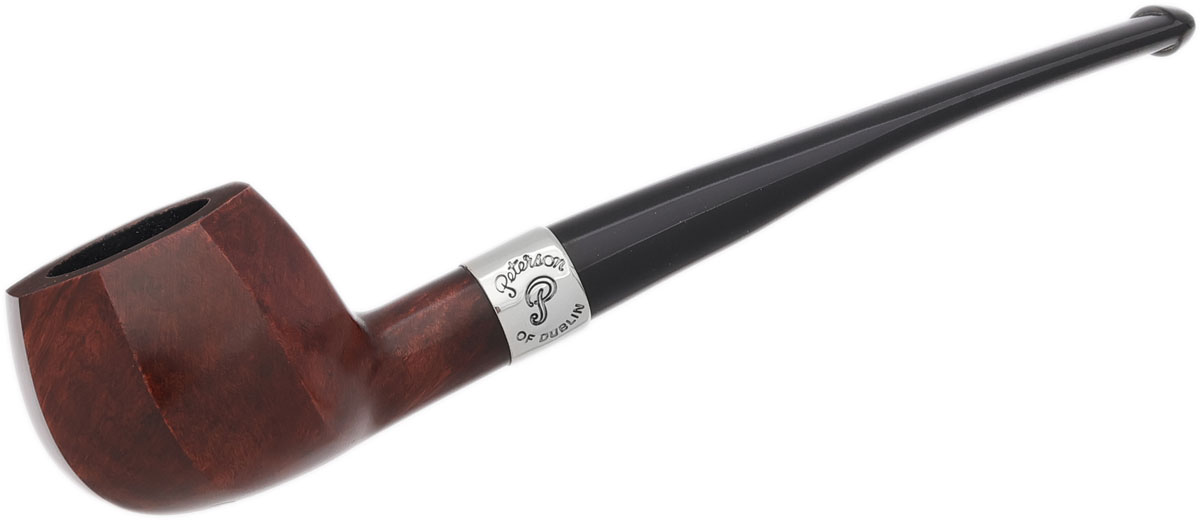
This stem material is created with vulcanized rubber, which converts natural rubber into a more durable material. High-quality vulcanized rods are often utilized with vulcanite stem production because of the microscopic exclusion of bubbles, which slows the oxidation process that occurs while smoking.
Bakelite
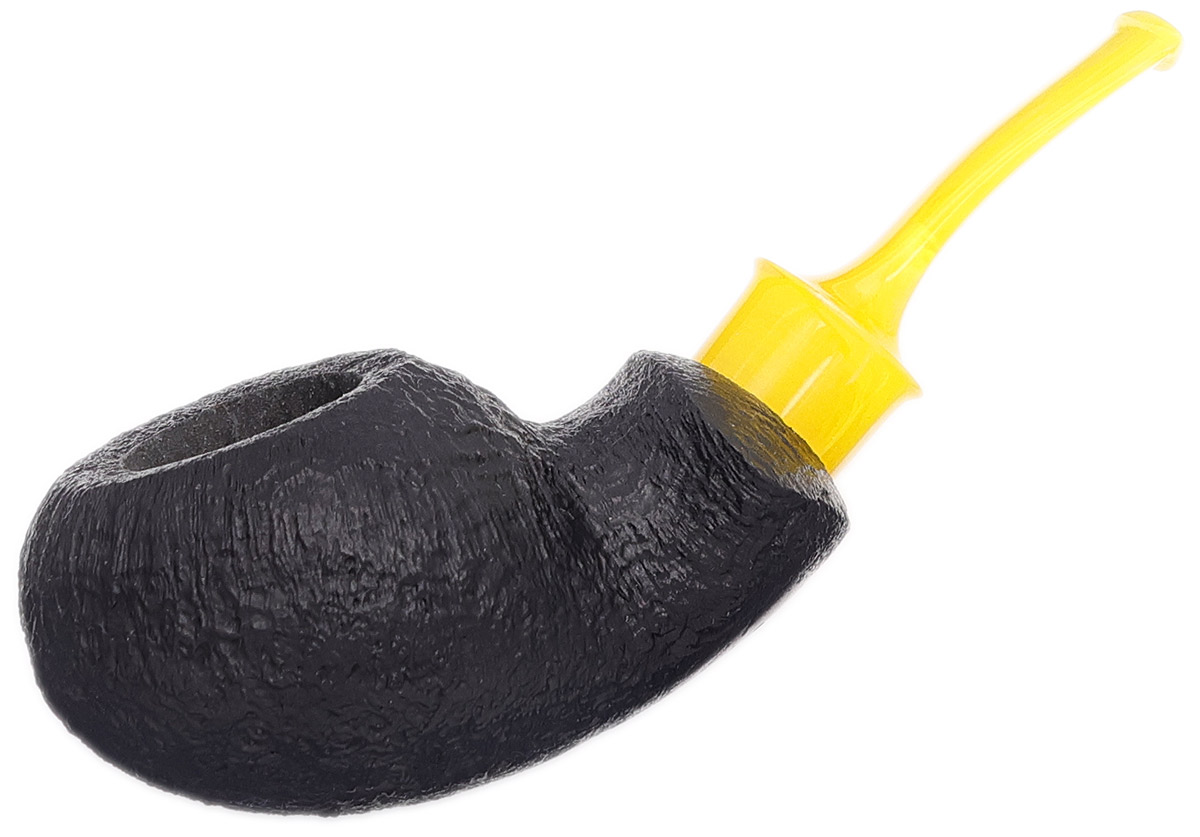
This stem material uses phenol-formaldehyde resin. Although less common than acrylic or vulcanite, it is a durable stem material that can be found in many older, vintage pipes.
Horn
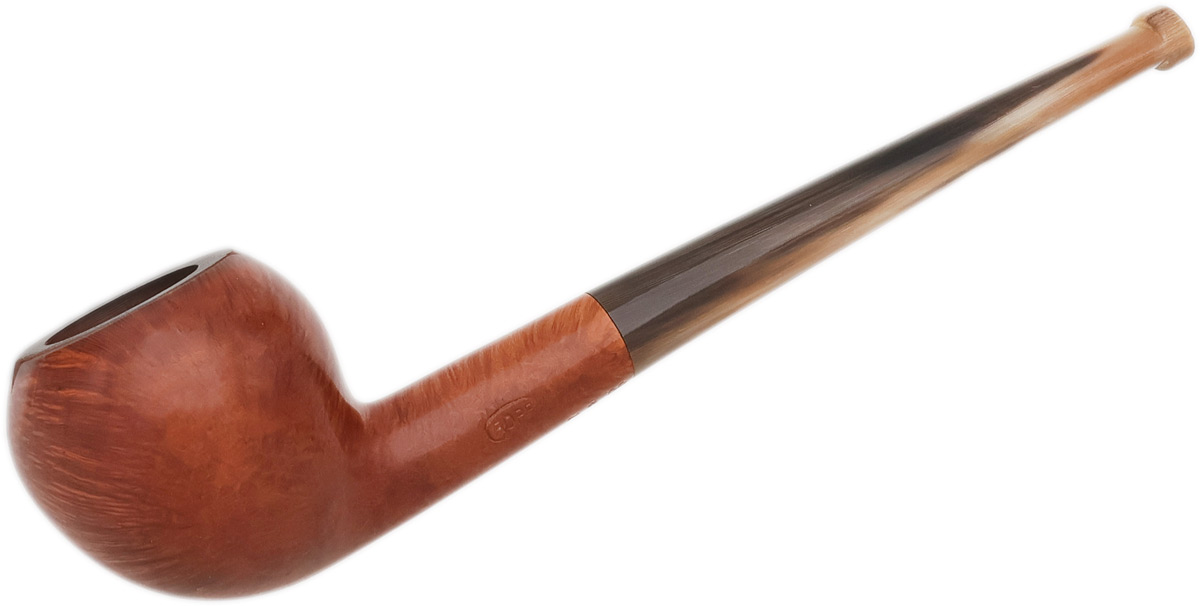
Horn was among the most popular stem materials in the early days of modern pipe making. Although it's not as common in modern pipe making, it is still used by manufacturers and artisans in some pieces. This soft material is durable and requires less maintenance as it doesn't oxidize.
Other Materials
A variety of other stem materials are utilized in pipe making, including briar, which is seldom used today aside from homages to vintage pipes that used the material or special "split-stemmed" designs that incorporate multiple materials; amber, which is hand carved from fossilized tree resin and is aesthetically beautiful, though requires extra caution to prevent damage; and Cumberland, which is a variation of vulcanite/ebonite, highlighted by its marbled, reddish-brown coloration, and is also quite durable.
When it comes to your first pipe, our Vice President of Marketing, Andy Wike, has a few suggestions. "While I tend to prefer pipes with vulcanite mouthpieces in my own rotation, I typically recommend acrylic stems to first-time pipe buyers. Vulcanite may be a bit softer, but it also requires a bit more maintenance and upkeep to prevent oxidation or discoloration.
"When you're just getting into the hobby, the most important thing is to learn how to smoke a pipe properly, a process with an already steep learning curve. Once you've nailed the basics like packing, lighting, and routine post-smoke care, then you can branch out and try different stem materials to see what fits your taste the best. Still, it's quite nuanced: Even among smokers who clench their pipes frequently in their teeth, some may prefer vulcanite for its softness, but others may stick with acrylic to avoid heavier teethmarks. Definitely keep learning and asking questions, but remember: The best advice is your own."
Understanding Distinct Finishes
Another consideration while selecting a pipe is which finish you prefer. There are a few options with distinct differences in appearance and texture. Essentially, the finish is what the outside of the pipe bowl looks like, whether smooth and glossy or more roughly textured.
Smooth
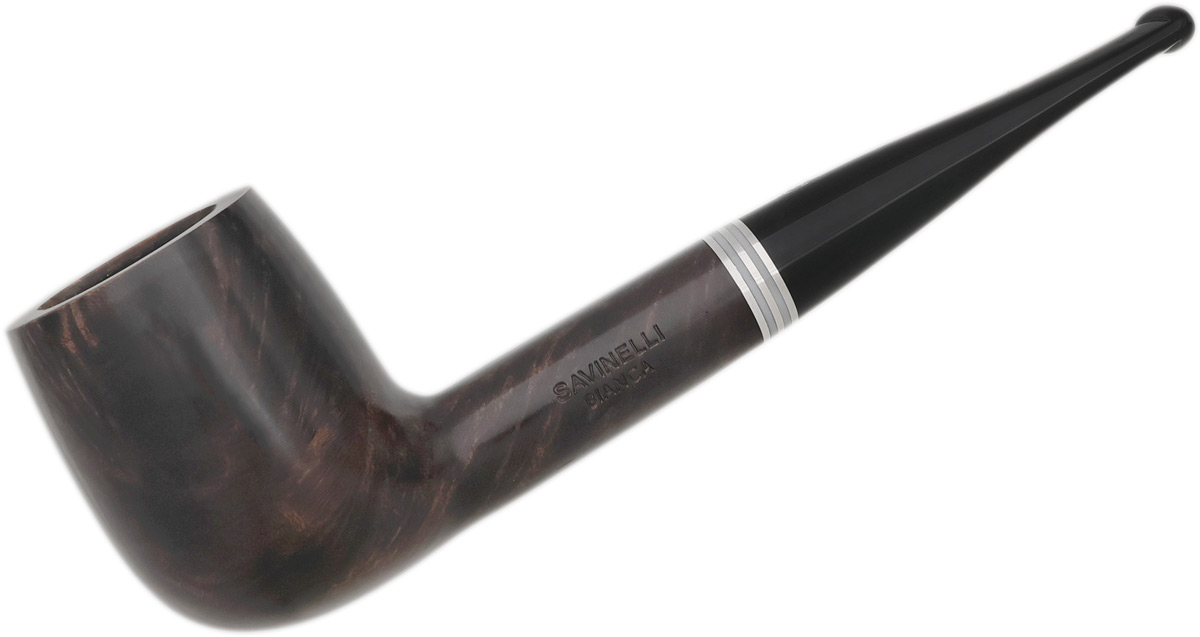
A smooth finish does not have any roughness in texture. Instead, this finish showcases the briar's natural grain in a beautiful way and often utilizes two-toned or contrast stains to enhance the definition of the wood's natural patterns.
Sandblasted
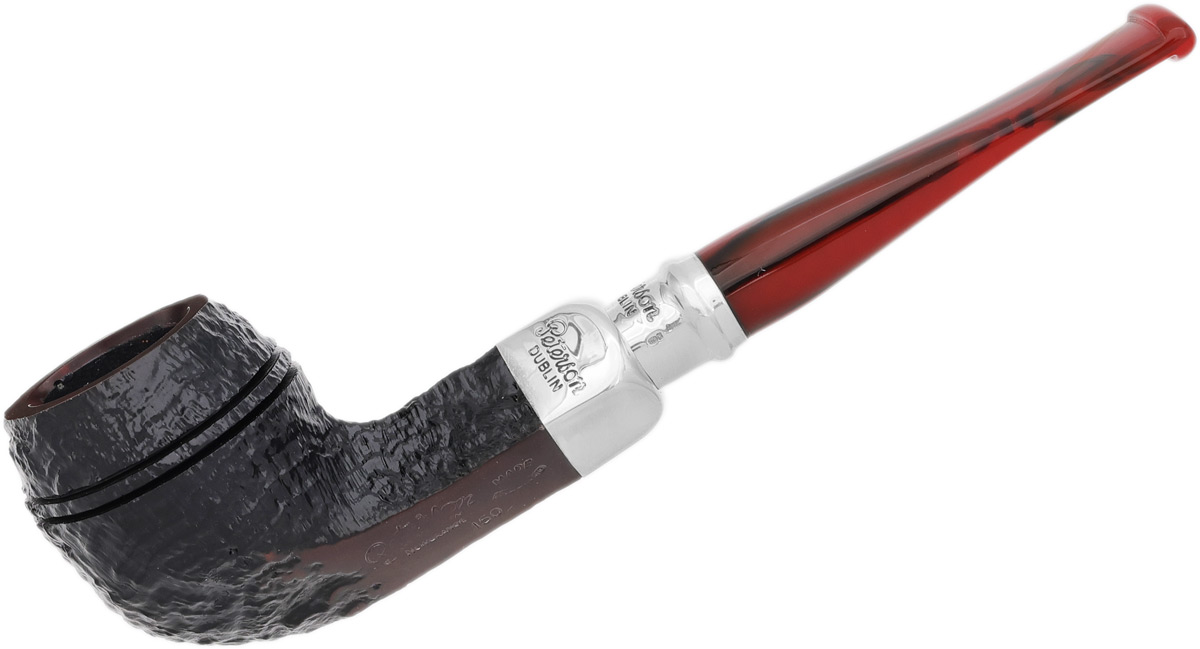
Sandblasts are textured finishes that still highlight briar's natural grain patterns, just in three dimensions rather than one. Softer sections of the wood are removed in the blasting cabinet, which highlights the harder portions of the wood in relief — often presenting as "growth rings," though the exact pattern depends on the orientation of the block itself.
Rusticated
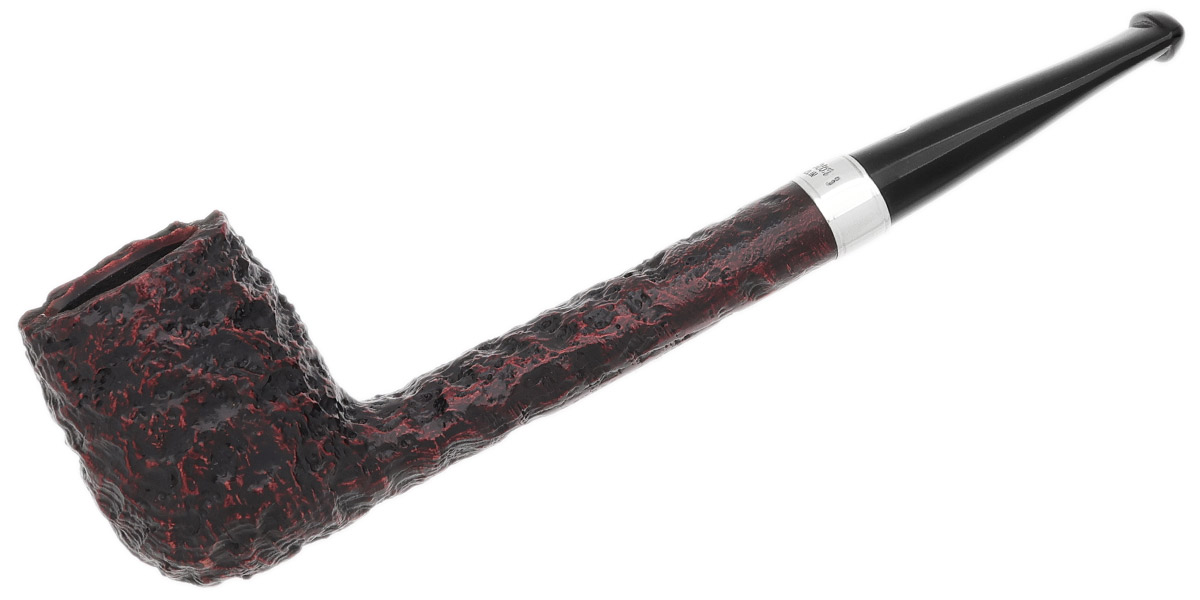
Since rusticated finishes are proprietary to each factory or workshop, these highly textured finishes can vary somewhat dramatically depending on the maker, but all feature some sort of texture applied to the pipe itself — whether through custom drillbits or hand tools — in a decorative, rugged manner.
Carved
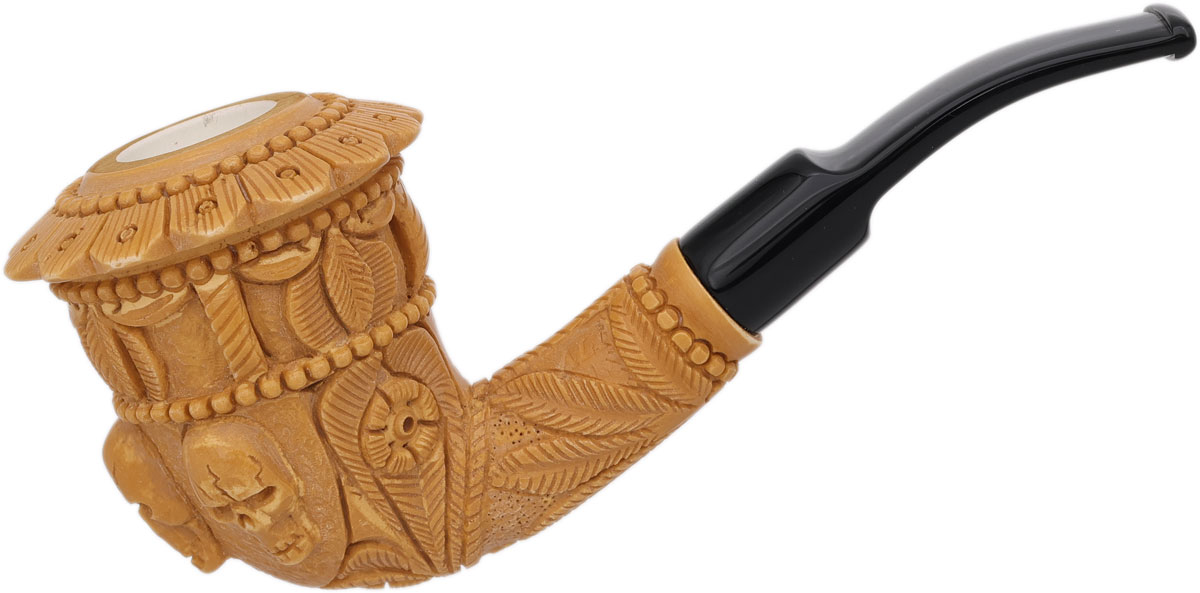
In carved finishes, makers carve meerschaum or briar pipes with custom, intricate designs, often in "spots" or various facets across the bowl rather than the more uniform pattern and texture of traditional rusticated finishes or the natural grain structure highlighted by sandblasts.
Aesthetics & Affordability
Now that we have broken down shapes, materials, stem materials, and finishes, it is important to note that every person has deeply personal preferences and opinions when it comes to the ideal pipe. You may fall in love with a Dunhill while your friend prefers a Tsuge piece.
Truett Smith, Pipe Manager at Smokingpipes, gives some advice when it comes to that first purchase. "First and foremost, I would encourage a new pipe smoker not to overthink purchasing their first (or second or third) pipes. I would say that the most important thing is to buy a pipe that speaks to you personally; if you aren't interested in or excited by a pipe, you will rarely look forward to smoking it. It could be the shape that interests you, or the finish, or the color, or some small detail.
"I would also consider the size," says Truett. "Are you interested in big, bold pipes that allow for long smoking sessions, or are you more interested in smaller pipes that are lighter to clench and more portable?"
As a beginner, you might not have it all figured out. The experience you'll gain throughout your journey will help define what specific pipes work best for your personal smoking preferences. For example, you might start with a compact, lightweight smoker for everyday carry for those quick smoke breaks at work. However, in time, you might discover that you prefer larger pieces that allow you to prolong the magic in a more relaxed fashion during quiet evenings at home. Like anything else, time spent exploring what works and what doesn't is the only tried-and-true way to find your ideal smokers.
Consider Your Budget and Optimize Value
But it's best not to forget one of the largest factors in a purchasing decision. "Obviously, price is an important factor too, so I would suggest looking at brands and series that fit into your specific price point," says Truett. "You can also consider stem material and filter/non-filter, but personally, I would say that those don't matter much for a first pipe. The most important thing is getting a shape and a finish that you enjoy and are excited to smoke."
Shane Ireland, our Vice President of Retail, advises new pipe smokers to go with what they feel most comfortable with. "Go with your gut — whatever pipe jumps out at you or catches your attention first is a solid bet. As long as you're buying from a reputable shop or dealer, the quality should be good enough at even lower price points to get started.
"It's much more important that you bond with your first pipe, are drawn to it, and continue to reach for it. The learning curve is steep; it's going to be so much easier to stick with it if you love the pipe you're smoking."
Aside from aesthetics and the emotional response you have to a design, he recommends specific sizes and weights. "I'd suggest something medium in size and weight; my guidelines are 50g or less in weight (aides in clenching), and an average chamber size of around .75" wide by 1.25"-1.5" deep."
Sykes Wilford, Founder and CEO of Smokingpipes, also weighs in on his best recommendations for newcomers to the hobby. "Whenever I give a new pipe smoker a pipe — and this has come up more than a few times over the years — I almost always give them something straight and on the smaller side," he says.
Sykes is no stranger to the common pitfalls of a new pipe smoker. "New pipe smokers often want something they describe as 'curved' or like 'the Lord of the Rings' or like a 'Sherlock Holmes' pipe. The first one probably means they want a deeply bent pipe. The second is a Churchwarden. The third is a gourd Calabash. These are all not ideal choices for a new pipe smoker."
"It's hard enough to figure out how to smoke a pipe without also trying to figure out how to smoke a deeply bent pipe, which is trickier, let alone a Calabash, or a Churchwarden," says Sykes. "Using the same logic, I'd also generally avoid a filter pipe for a first pipe. They add a layer of fiddliness that doesn't help with that initial learning curve. I personally don't smoke filtered pipes, but I definitely think that's a preference that can be explored better when also not trying to figure out how to smoke a pipe for the first time."
Sykes recommends going with something that is cost-effective from a major marque. "A Peterson Junior Lovat, Billiard, or maybe an Aran 15 shape, or a Savinelli Tre or Petite in a Billiard or Apple shape would be a good choice," he says. "If you want to splurge, a Dunhill 3103, a straight Claudio Cavicchi, or an Eltang Poker would also be great choices. For a budget-friendly pick, I'd go with a straight corn cob from Missouri Meerschaum: it's a great way to dip one's toes into pipe smoking without a major investment."
Pipe smoking is a relaxing and nuanced hobby, affording unique flavor experiences, a community of passionate people, a dedicated time to relax, and a deep history. We're excited that you're interested and we hope this guide sets on you the path of success. Starting somewhere simple with your pipe journey, like pipe selection, is a great entry way to get acquainted. Sykes leaves us with one final bit of advice for starting your journey, "For that first or second pipe, keep the pipe as easy and simple to smoke as possible. Get to know pipe smoking first, then get to know what you like in pipe shapes." To help you continue on this journey, we've compiled five tips for beginner pipe smokers. If you're a seasoned veteran, the newbies would certainly benefit from your knowledge in the comments below. As you start down the path of pipe smoking, we hope these guides help you find the first of many happy smokes.You may also enjoy:




Comments
The advice given for new pipe smokers to avoid filter pipes is one new pipe smokers may need to be sold on. Coming from the world outside of pipe smoking they often fear nicotine and other chemicals from the teachings of anti-tobacco, but new pipe smokers need not worry for two reasons. First, you should not be inhaling into your lungs like you would a cigarette and even so the pipe tobacco remains unadulterated and free of the same harsh chemical treatments. The second thing to remember is that pipe filters are more about moisture control and less about chemical filtration. If you're new to pipe smoking, try to heed this advice and don't fear a filter-less pipe. Personally, I recommend a straight pipe shape over a bent for the same reason. Having an airway relatively free of obstruction or turbulence is going to minimize smoking complications that a new smoker doesn't need to deal with at their early stage of development. As with all the advice in this article, I hope you first and foremost enjoy smoking a pipe. Once you become aware of what a great, relaxing hobby it can be, all the other nuances of pipe smoking will always be there for your exploration.
A straight pipe would be more socially acceptable in the present political environment than a gay or trans pipe.
On a serious note...newbies start with an aromatic tobacco and work your way up to an English.
Yeah, well, estate gay and trans pipes smell like sodomy... you can always tell by the funk on the stumel, shank, and stem the history of the pipe. Here's a song to sum up the political climate; load a bowl and pour a dram and enjoy repeated history. https://youtu.be/rdEupVsL07E?feature=shared
Kayla, you have another excellent article. I would offer reinforcement to your ideas. If I were assisting someone, I would encourage a straight pipe to a beginner. I would give a beginner a Missouri Meerschaum corncob similar to the one I smoked in Ranger School to protect my better pipes. I would suggest price points for beginners to start with Rossi, Genod, or Chacom pipes. A billiard, a squat bulldog, and maybe an apple or Dublin. Prefer no filter. If price is not important, any of the standard brands have wonderful choices. I did try a bent squat bulldog and enjoyed it.
I found that as I was older, I enjoyed bent pipes more, especially Oom Paul’s.
Have fun and enjoy.
Good article, Ms. Ivan.
Some of us had the experience back last millennium of purchasing our first pipes in a "starter kit" at a tobacco shop. The kit included a pipe, tamper, matches, pipe cleaners, and a sampler of around a half-ounce each of 3-5 tobacco blends (mine came in individual metal tins, like the "pocket tin" I've seen here at SP.) My first pipe from that kit was a no-name Algerian briar prince, and I still smoke it regularly. I know there are some "starter kits" at SP from some pipe manufacturers, but I haven't seen them offered with any tobacco variety samplers included. I think it would be a good idea to return to that option, if inexpensive, quality basket pipes could still be sourced.
I think the best piece of advice I got when I was starting out was to buy relatively inexpensive pipes until I had time to develop and understand my own preferences. That doesn't mean a $25 corn cob (personally, I think they're terrible, and if I'd started there it probably would've put me off smoking entirely), but try to stay well under $100. Molina, Nording, Ropp, and a few others offer a number of quality pipes in the $50-80 price range. After you've gotten beyond the rank newbie stage with one or two of these pipes, you'll have a better idea what you're looking for in a more expensive pipe.
I still find that some of the bargain priced brands produce excellent pipes. Personally having 6 Rossi and 2 Molina amongst my favorites. I personally feel that Rossi has surpassed Savinelli in “bang for your buck” in the pipe world.