EN
EN
 JA
JA ZH
ZH





 All New Pipes















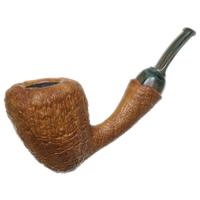
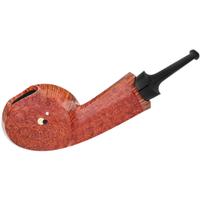
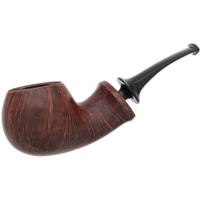
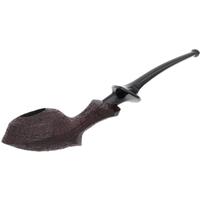
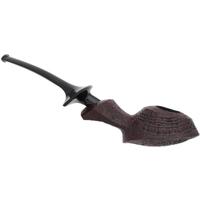
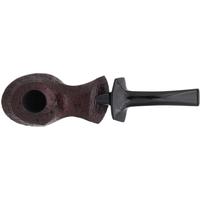
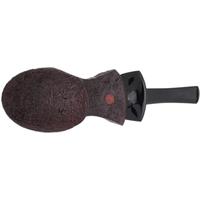
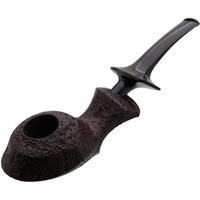
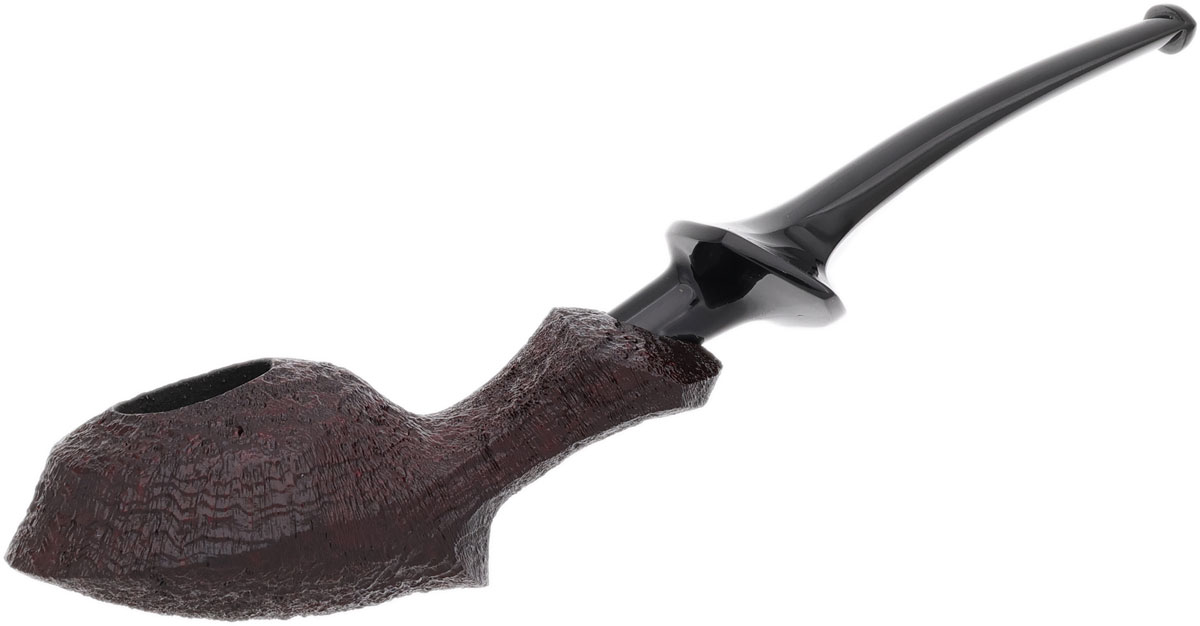
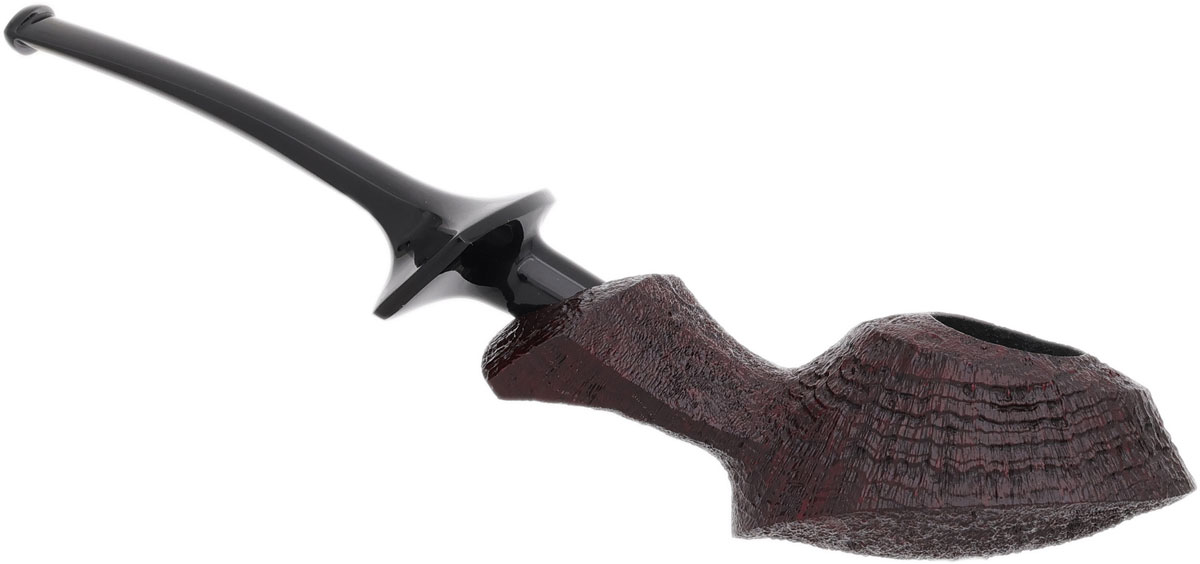
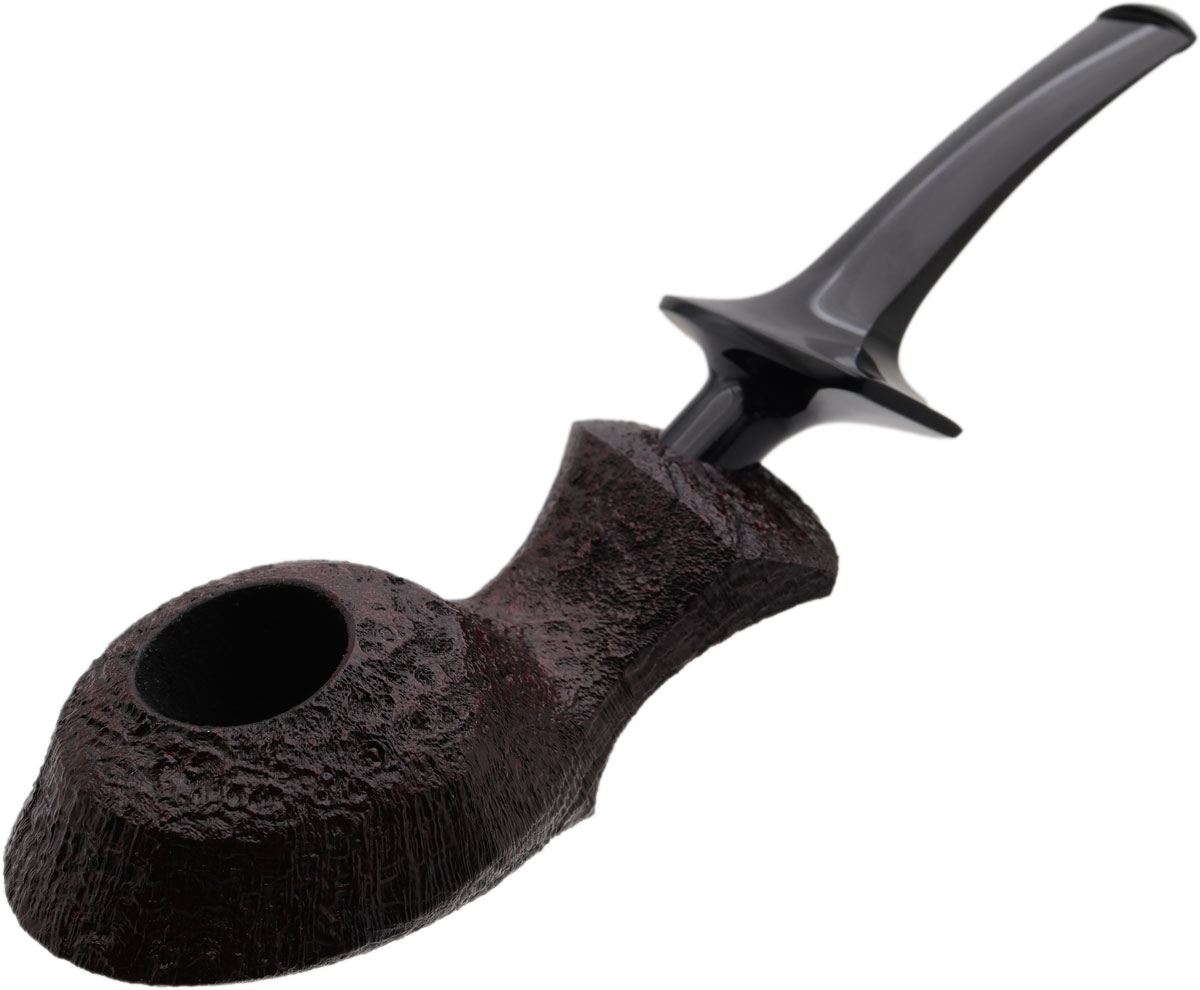
Sandblasted Hiroyuki Tokutomi Tribute Freehand Tobacco Pipe
Product Number: 002-437-0186

Ask a question about this product.
Measurements & Other Details
- Length: 6.97 in./177.04 mm.
- Weight: 2.00 oz./56.70 g.
- Bowl Height: 1.35 in./34.29 mm.
- Chamber Depth: 1.11 in./28.19 mm.
- Chamber Diameter: 0.78 in./19.81 mm.
- Outside Diameter: 1.93 in./49.02 mm.
- Stem Material: Vulcanite
- Filter: None
- Shape: Freehand
- Finish: Sandblast
- Material: Briar
- Country: United States
About This Pipe
Formerly known as the American Pipe Making Exposition, our annual Global Pipe Making Exposition features contributions from some of the world's foremost artisans, all united around a central theme. One of the most exciting events of the year for carvers, smokers, and enthusiasts of briar alike, the Global Exposition acts not only as a showcase for the immense talent of these artisans, but a focus for the boundless creativity that these masters of the art possess. For 2025, the theme of our Expo is "In Memoriam," celebrating the life and works of artisans who have passed on, yet whose impact on the craft and those around them is utterly undeniable.
In past years, Adam Davidson's entries into the expo have been universally envelope-pushing, featuring high-concept designs and challenging feats of engineering that have immediately established themselves as heralds of the avant-garde. This year's entry, by comparison, appears far less baroque and a good deal more subdued, displaying an easy, graceful flow that Davidson has rendered with fastidious care, and for good reason; This pipe is a tribute to Japanese master artisan Hiroyuki Tokutomi, one made with an actual block of the late artisan's briar that was given to him by his daughter, Yuki. Davidson first met Tokutomi in 2004 at the Chicagoland Pipe Show, not as a pipe maker, but as a pipe smoker, and with no intention at the time of taking that next step, but the unique perspective that Tokutomi's work displayed stuck with him for years. In 2009, after the Richmond Pipe Show, Tokutomi visited both Davidson and Jeff Gracik at Adam's home workshop in South Carolina, where, according to Adam, they spent the vast majority of the time just watching Tokutomi work and shape briar, observing his technique and the confident effortlessness fashion he used to uncover the shape he saw within the block. Davidson and Tokutomi would later collaborate a number of times, Tokutomi returning to work with Davidson at his home shop once more in 2010, and Davidson visiting Tokutomi's shop in Japan in 2014. Their first shop meeting would linger in Adam's mind, however, as, midway through the master's shaping of a Blowfish, he stopped carving, observed his work, and flipped the stummel on its side, continuing to work and creating a totally new shape. That experience, that inflection point in Davidson's journey as a pipe maker was what he has attempted to capture within this freehand.
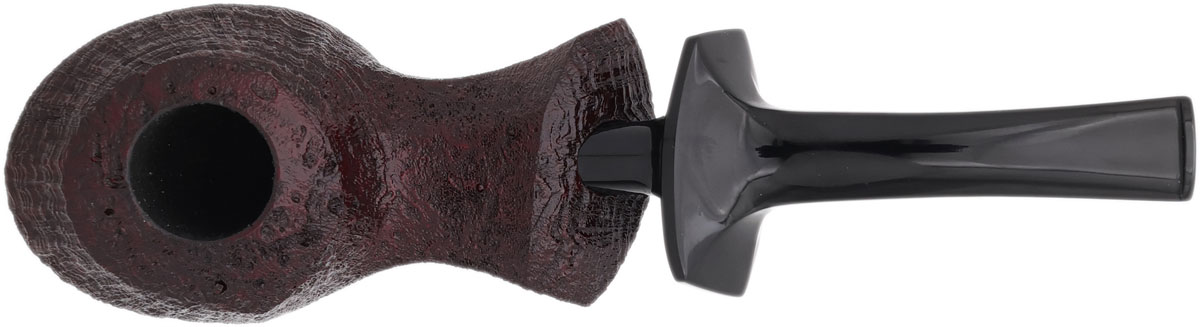
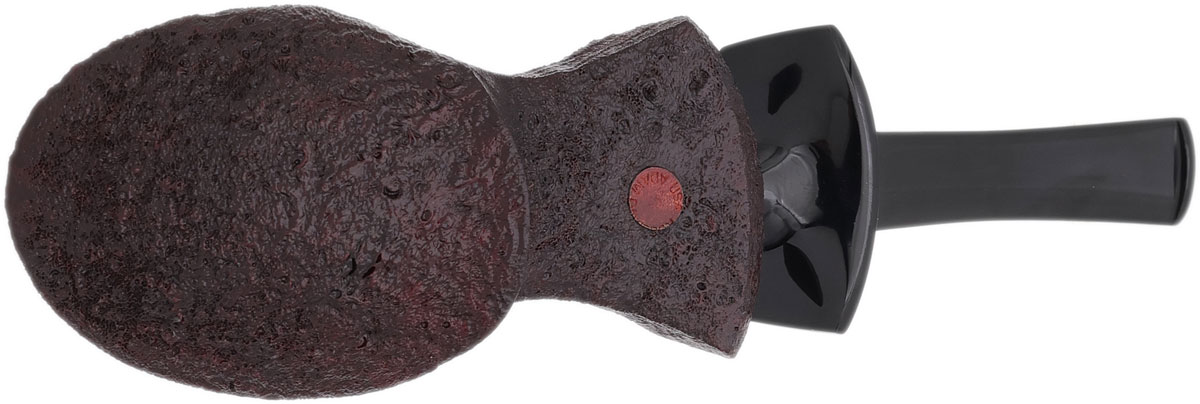
It wasn't enough to have expertly rendered a vision of Tokutomi's own Blowfish, flipped as the aforementioned example was, Davidson has also gone out of his way to ensure that the fit and finish of this pipe are as closely reminiscent to those pipes that would have been carved by the late Japanese artisan around the time of his watershed experience. For example, the shank here takes on an easy lift out of the transition and flares into a fluidly asymmetric pentagon, complete with a beveled edge near the underside, and it's met by a comparatively trim, rather lengthy stem base at its face. This stem flares into an impressively broad expansion ring that's been shaped to exactly match the outline of the shank end, though at a slightly smaller scale, creating both negative space at the junction and creating clear implied lines that bridge that space: balancing the visual weight of this piece exceptionally well. The length of this stem and its broad, precisely shaped expansion ring are both nods to Tokutomi's style circa 2009-2010, and the stem itself was shaped with a piece of plate vulcanite that Davidson had had on hand for more than a decade and was saving for something special. A medium-depth sandblast and deep, rich, chestnut-toned stain dress the stummel here, revealing rippling bands of ring grain flowing down the walls of the bowl, which rise as steep slopes from a ridge that flows from the left side of the shank, wraps around the bowl's midsection, and slopes down to curl around beneath the bowl. This sandblast, too, was specifically considered to capture an era of Tokutomi's work, and its showing of grain provides an exceptional compliment to the bevy of both soft and sharp ridges that envelop the stummel: these too reflecting Tokutomi's oeuvre.
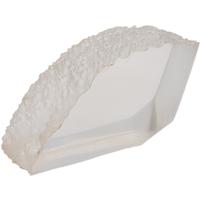
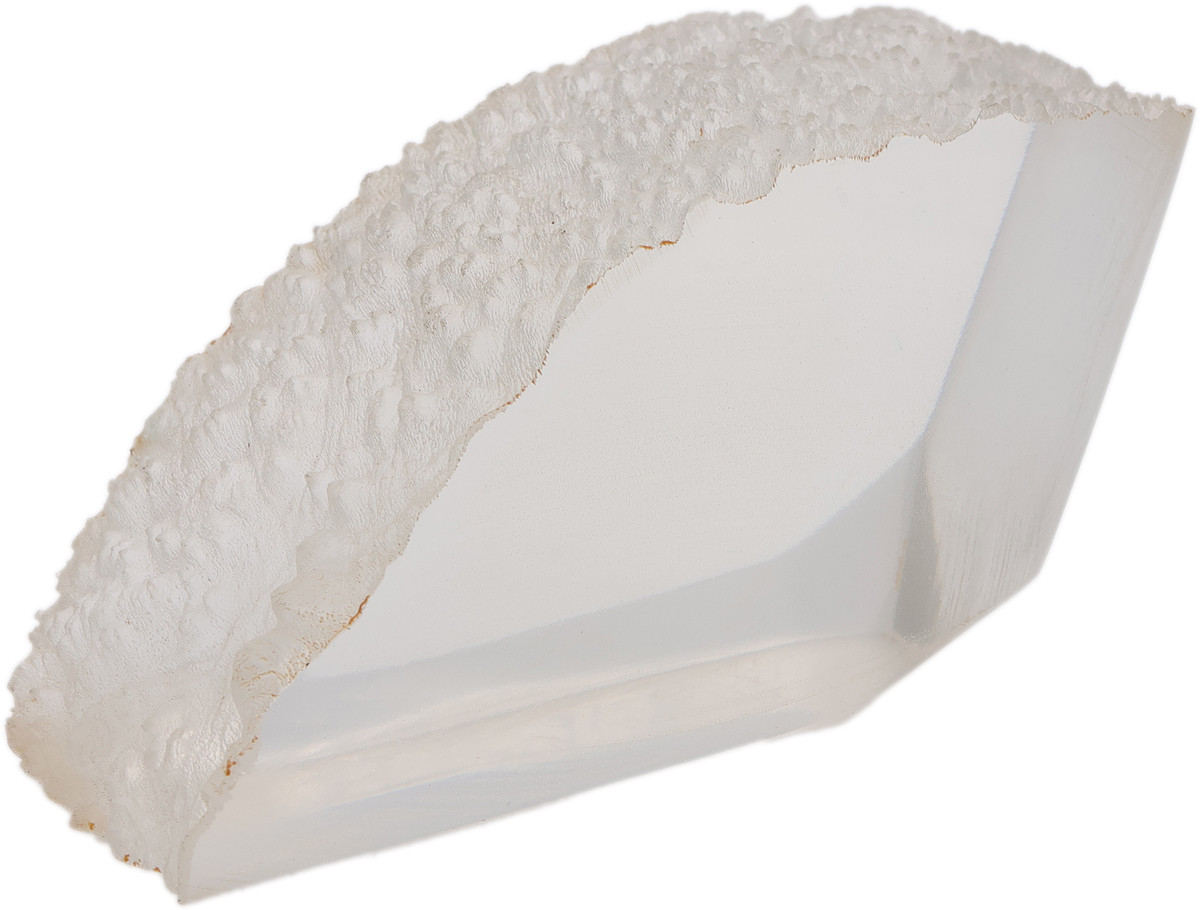
I've had the privilege of working closely with Adam for a little while now, and his admiration for the late master is visible whenever he's mentioned; you can see it in his eyes. This project is a very special one, and the care with which it was realized cannot be overstated, as, the entire time it was being shaped, the reality of it being a singular block of Tokutomi's briar was ever present and at the forefront of Davidson's mind. Knowing that once the carving began and the shape began to emerge, Tokutomi's briar would be lost, Davidson decided that he must commemorate it, so that, even as its true self became a pipe, a physical specter of its past self could remain. Thus, Adam cast the block in clear resin. Not only does the resin block exist as a way to maintain the physical form of the briar before its carving, but it's directly reflective of the way that Tokutomi could, as Davidson puts it, "see through briar," not just to discover its form, but to see the grain hidden within. What Davidson has created here is an extremely personal, even humble tribute to a man who has inspired him at almost every step of his pipe making journey: one that's not only a fantastic display of both their styles, but a graceful, agile smoker with clean lines, and a highly conceptual, physical representation of an important moment that honors one of pipe making's greatest carvers.
-John McElhenySimilar Pipes
American Estates
Todd Johnson Partially Sandblasted Matador (Hoplite) (2006)