


 |
|
 |
|


Have you ever wondered why the pipe-tobacco smoking experience can seem quite different in the outdoors during the winter months compared to smoking in warmer weather? Let's take a look at a few of the impacts of pipe smoking in the cold, and perhaps some guiding suggestions to help make the experience the best it can be.
Properties of Cold-Weather Smoking
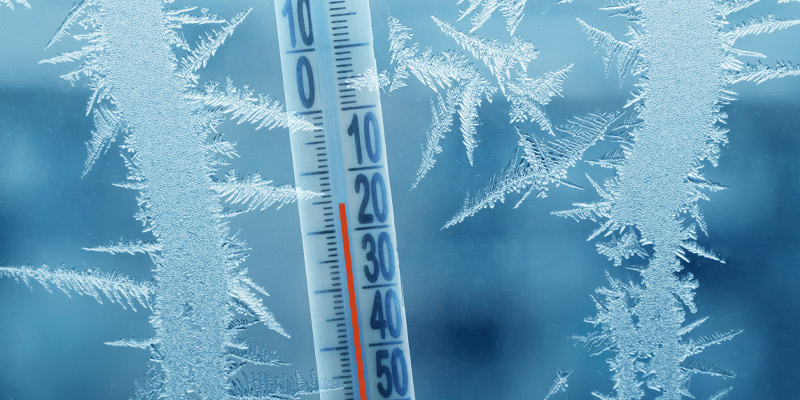
Temperature and weather conditions potentially have dramatic impacts on your smoking experience, including how you perceive taste and moisture levels in the pipe.
Regarding taste, cold weather can potentially dull the senses and make it a bit more challenging to detect the more subtle, delicate flavors of tobacco. Your olfactory senses — which are crucial for your sense of smell from within the nostrils and at the back of your throat — are essential for gustation, or taste, which involves the tongue and throat.
For this reason, some smokers search for tobaccos that can cut through the noise with more pronounced flavors. Some popular examples include English and Balkan blends that feature Latakia, providing that extra oomph that can be more easily detected, even with outside factors that can impact your senses. Other varietals like Dark-Fired Kentucky, Perique, and even cigar leaf all have singular, commanding natural flavors that ring through, even when used in small proportions in a blend. Users from PipesMagazine's forums report the smoky notes in Latakia standing out the most distinctly in the cold.
Moisture and humidity levels can also vary while smoking outside in colder weather. Some smokers mention that humidity can drop and tobacco may dry out quicker; this often translates into cooler smokes that stay alight easier and smolder better. However, others have mentioned that the cold can have less-than-ideal impacts to condensation due to higher moisture levels, leading to wetter smokes and the risk of gurgling.
The temperature difference between the inside of your pipe (hot) and the outside (cold) can create increased condensation and potentially alter your perception of flavor as a result. Rapid cooling of hot smoke occurs, which is when smoke becomes saturated with moisture, or water vapor, and other volatile compounds from burning tobacco. When the vapor travels through the cooler stem and into the cold, the temperature gradient causes it to quickly condense into liquid form — moisture, tar, and resins — on the interior surfaces of the pipe's stem and bowl.
It can help to elongate drying time between sessions to avoid wood souring, dreaded gurgling, and possible heat damage. You could also allow more dry time before packing the tobacco to minimize this issue beforehand. If there's still excess moisture, we'd recommend trying to use pipe cleaners more frequently between smokes.
Dealing with Wind
One inevitable factor while smoking in colder climes is wind. Charles Lemon described smoking in windy conditions with valuable insights about combustion in a piece called Cold Weather Piping. He explained how denser, colder air contains more oxygen molecules per volume, which aids in the process of combustion, resulting in the tobacco burning more efficiently. Tobacco can burn faster and hotter while smoking in the wind, bringing with it possible degradation in flavor and an increased risk of burning your favorite briar. A wind cap can be an excellent solution here, allowing the smoke to escape and combustion air to enter while promoting cooler, slower smokes.
As Lemon aptly put it: "Temperature affects the perceived flavour of your favourite tobacco. Hot weather can make a strong blend unbearable and cold weather can render a delicately nuanced Virginia positively bland." This is why many outdoor pipe smokers select those tobaccos with more pronounced flavor as mentioned early, like Balkans and English selections. The cold outdoor air can mellow the stronger flavors while you smoke — though Lemon jokes that it may not make much difference to the smell of your clothes when you go back inside.
Additional Suggestions
In hopes of improving your winter smoking outdoors, I also have a few additional recommendations to help you on your cold-weather smoking quest.
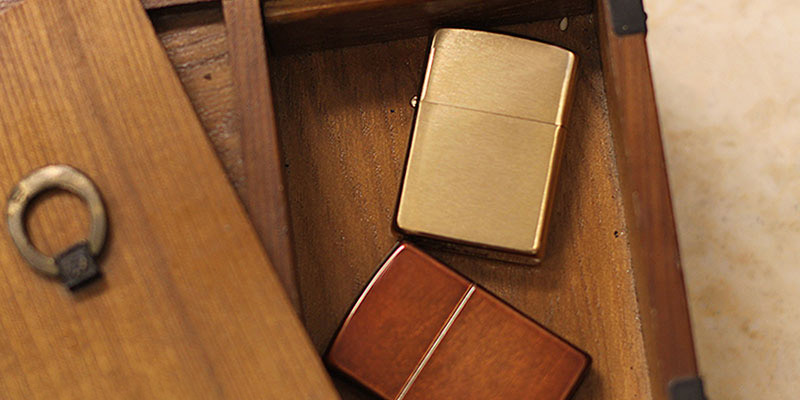
Be careful when using soft-flame butane lighters; they might underperform in frigid temperatures, so we recommend having a backup method, such as a handy and durable Zippo lighter. We recommend refilling it with lighter fluid before venturing outside as the fluid can evaporate over time, so keep that in mind.
Another suggestion is to leave the longer-stemmed pipes in the pipe stand. Churchwardens and other elongated pieces tend to work better in warmer climates; condensation in the stem and your smoking cadence can impact your experience, so depending on your personal habits, longer stems might be better left inside until warmer smokes are possible.
Lastly, if you're having a hard time keeping your bowl alight in the cold, we recommend adding extra moisture. Our pipe-tobacco rehydration piece from a few years ago is a great resource; Chuck Stanion's tips are always appreciated.
Top Selections For Winter Smokes
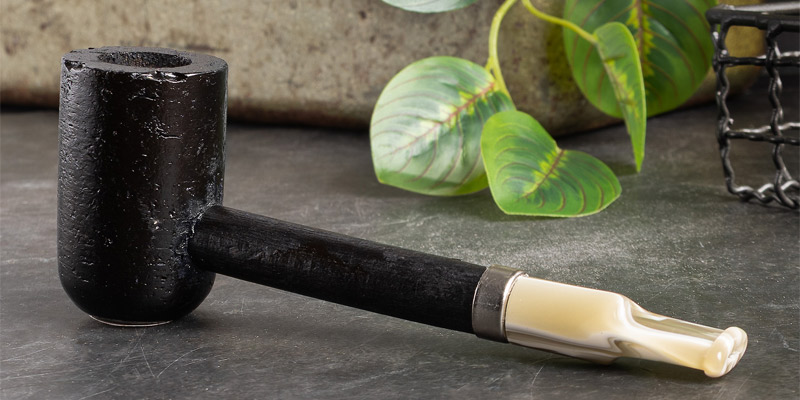
Now that you know how to make the experience of smoking outside in winter as good as it can be, I also have a few recommendations for ideal pipes to smoke and cautionary disclaimers to avoid despair. A few options that could work well include corn-cob and Falcon pipes, both of which are inexpensive workhorse selections. I wouldn't suggest whipping out your rare unsmoked gem for a winter smoke, unless you're willing to deal with potential damage from a stray icicle, or more realistically heat damage.
As for tobacco recommendations, as mentioned earlier, winter is much kinder to robust, complex flavors that pack a punch that bursts through the cold. We have plenty of options on-site; I recently updated our Winter Blends selections with my top picks for winter-time smokes, including English and Aromatics to indulge in, from Rattray's Black Mallory to Warped's Saint Espresso. I invite you to peruse and hope you'll find something up your alley to enjoy this season!
Are you an outdoor smoker in the winter months? I'd love to hear what your experiences have been like and any suggestions you might have for everyone in the comments.
Bibliography
- Lemon, C. (2018, November 10). Cold Weather Piping – Welcome to winter!. Cold Weather Piping – Welcome to Winter!
You may also enjoy:


Comments
Kayla, I really appreciate your comments re smoking in cold weather. I’ve been finding that the cold does impact my taste buds though, to be sure, cold in my part of the world is in the fifties. I find all types to be impacted in subtle ways — probably the most impacted has been Perique, which seems on my palate to lose what jamminess it might possess. The red Virginias lose some of their bready toastinss, and the brighs feel more flat. Thanks again!
Our cold, which we have now was -25 last night and -14 today. I smoke in the garage with the overhead door cracked open. I go to my 6” corn cobs and a couple of different ‘Old Ones’. Visions of Celephais and From Beyond. They caught my attention from my first smoke and I enjoy the Winter, Spring, Summer or Fall. Haven’t had much of the problems mentioned with the condensation and gurgling with any of my briars. Just bundle up and enjoy whatever Mother Nature throws at us. ♾️
Kayla, another fine article! KUDOS! I smoke, when I smoke, Balkans and Rattrey’s Black Mallory. From late 1962 until I stopped smoking regularly in 1978, Balkan Sobranie was my preferred tobacco. Regularly, every quarter I had a 4 ounce tin of Black Mallory (It was more expensive.). For a change of pace there Dunhill Mixture 965 and Standard Mixture medium. Others included Escudo, Three Nuns, and Ebony Mixture. I tried others. When I returned, many of standards were gone. I have enjoyed finding newer tobaccos, but Black Mallory remains a standard. I like Pease’s Maltese Falcon, Palmetto Balkan, and several others. If I were making a list for winter tobaccos, I would have added C&D’s Strathspey, the perfect winter smoke, everything Black Mallory has and a touch of peat. It goes so well with a “wee dram” of fine single malt like Nacallen 12 or Aberfeldy 12. In the teen weather we have now, highly recommended and I enjoyed both last night. Keep up the great work!
Kayla, another fine article! KUDOS! I smoke, when I smoke, Balkans and Rattrey’s Black Mallory. From late 1962 until I stopped smoking regularly in 1978, Balkan Sobranie was my preferred tobacco. Regularly, every quarter I had a 4 ounce tin of Black Mallory (It was more expensive.). For a change of pace there Dunhill Mixture 965 and Standard Mixture medium. Others included Escudo, Three Nuns, and Ebony Mixture. I tried others. When I returned, many of standards were gone. I have enjoyed finding newer tobaccos, but Black Mallory remains a standard. I like Pease’s Maltese Falcon, Palmetto Balkan, and several others. If I were making a list for winter tobaccos, I would have added C&D’s Strathspey, the perfect winter smoke, everything Black Mallory has and a touch of peat. It goes so well with a “wee dram” of fine single malt like Nacallen 12 or Aberfeldy 12. In the teen weather we have now, highly recommended and I enjoyed both last night. Keep up the great work!
Hello, this is Sebastián from Argentina. I've been a pipe smoker for almost 30 years. I find the information in this article very interesting and valuable. I definitely agree with the lighting recommendations; I only use Zippo lighters when I go to the beach.
I make my own blend and call it Dirty Professor. Equal parts Virginia burley BCA and Latakia. In the winter I add a little more Latakia. I did not really understand why until I read your article. Thanks. Great article.