


 |
|
 |
|


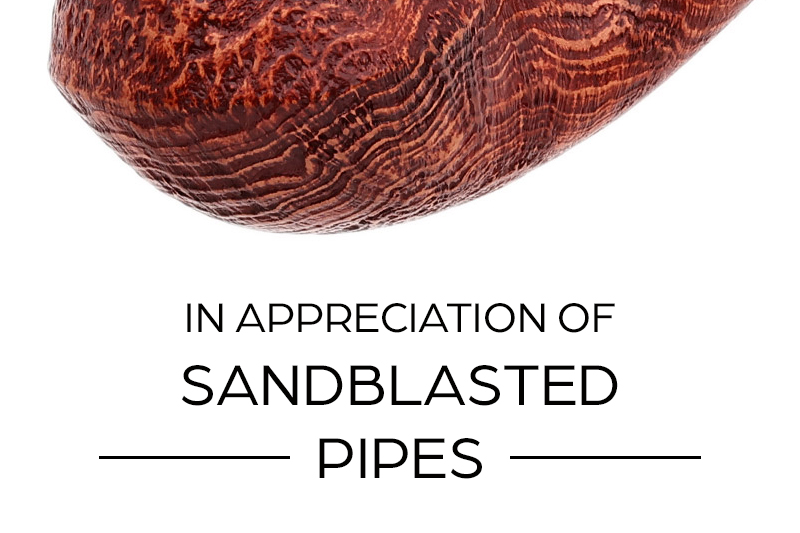
The many finishes available, from rustication to smooth, each highlight briar grain in unique ways. One such finish is the topic of today's piece: sandblasted. It's been a little while since my last In Appreciation piece, so let's take a look at the art of sandblasting and a few examples of this textured finish.
Note: The pipes included in this piece are based on product availability at the time of writing.
The Art of Sandblasting
The sandblasting process was historically associated with fixing blemishes on smooth pipes. Dunhill is credited with creating the first sandblasted pipes back in 1917 as a way to make use of pipes with small surface blemishes, introduced through their Dunhill Shell Briar line, according to La Pipe Rit.
However, sandblasting is more artistic than simply a manufacturing solution. Many artisans and manufacturers alike use this finish to bring character to a piece, adding tactile interest. Some craftsmen prefer a lighter touch, while others use deeper blasts for dramatic, craggy results.
Chuck Stanion wrote about this topic in his A Closer Look at Briar Grain piece: "Sandblasting offers a more rugged treatment that engages texture perception in the finger pads as well as provides the visual appeal of the blasted growth rings." Rather than the smooth, glossy finishes that define smooth pieces, sandblasting is the process of finishing a pipe by blasting the briar with a high pressure machine to remove softer wood, revealing the natural grain beneath and creating a textured relief with peaks and valleys made of hard and soft wood, respectively.
Briar pipes that have ring grain, which is formed during the growth of the Erica arborea tree (also called a growth ring), are especially detailed with sandblasted finishes; these rings stand out with sandblasts and are defined by wavy 3-D lines all around the bowl.
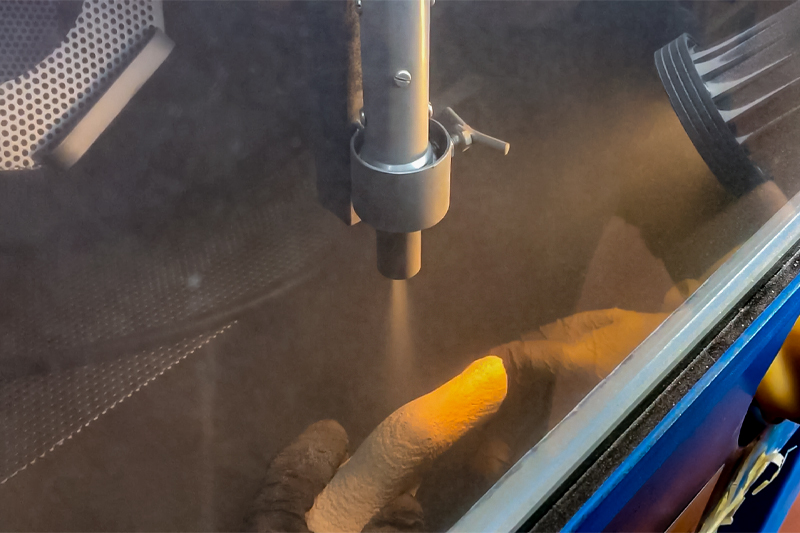
There are many advantages of sandblasted finishes on pipes, beyond just the ruggedly handsome aesthetic. The rougher surface allows for an easier grip and lighter weight in hand during smoking sessions. The lighter weight is achieved when the briar is sanded, shaving away softer wood. Sandblasting also creates more surface area, allowing the dissipation of heat, which results in cooler smokes. Many sandblast fans enjoy the ritual pleasure of handling the pipe with added texture to the hand as well. Sandblasted pipes are also more resistant to bumps and scratches, and are durable, making them ideal for daily use and on-the-go smoking. Many of these pipes are also stained to enhance the contrast between the peaks and valleys, making the grain stand out even further — a detail that aficionados particularly appreciate.
Sandblasts are different from their textured counterparts: rusticated pipes. While both feature added texture, sandblasts highlight the natural grain, whereas rusticated pieces are achieved through a manual carving process to create a deeper, cratered texture.
The role of the craftsman's eye is not to be overlooked. Although the sandblasting process itself is mechanical and requires strength to hold the pipe against the sandblasting tools without destroying the bowl, those doing the finishing work have to read the briar and decide where and how hard to blast. As a result, each piece is unique and is impacted by the maker's personal sense of design style. Let's take a look at some examples of pipes featuring sandblasted finishes.
Pipes Featuring Sandblasts
Dunhill Shell Briar
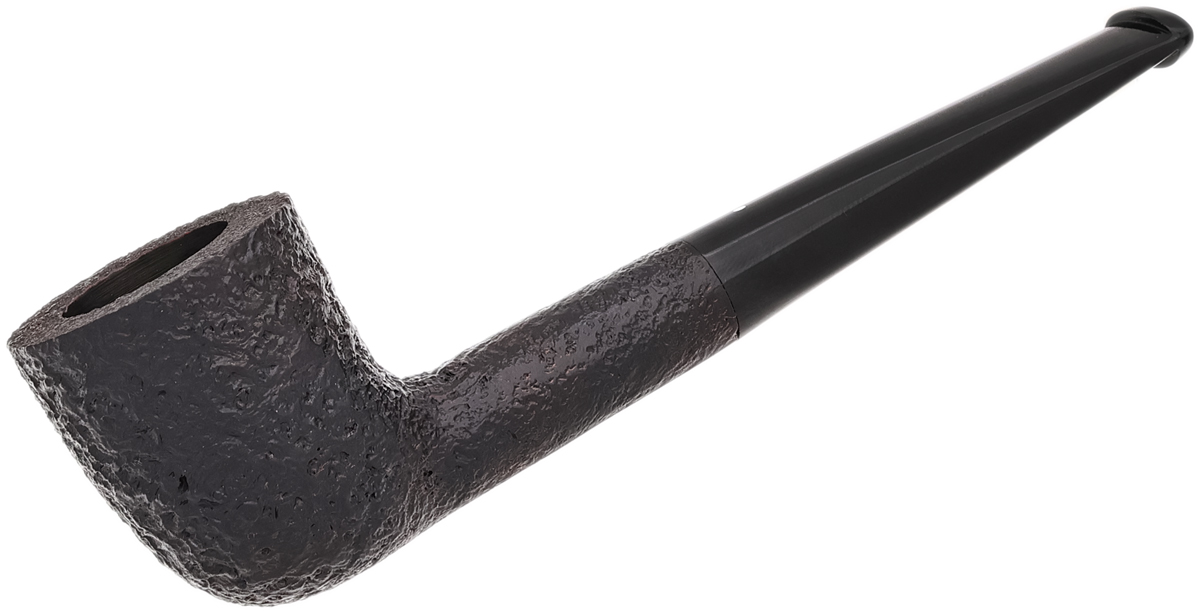
As mentioned earlier, Dunhill's Shell Briar marked a pivotal moment in the pipe-making industry: the first sandblasted finish, creating arguably the most popular finish today, with its dark, reserved color palette and lovely grain.
Peterson Pub Sandblasted
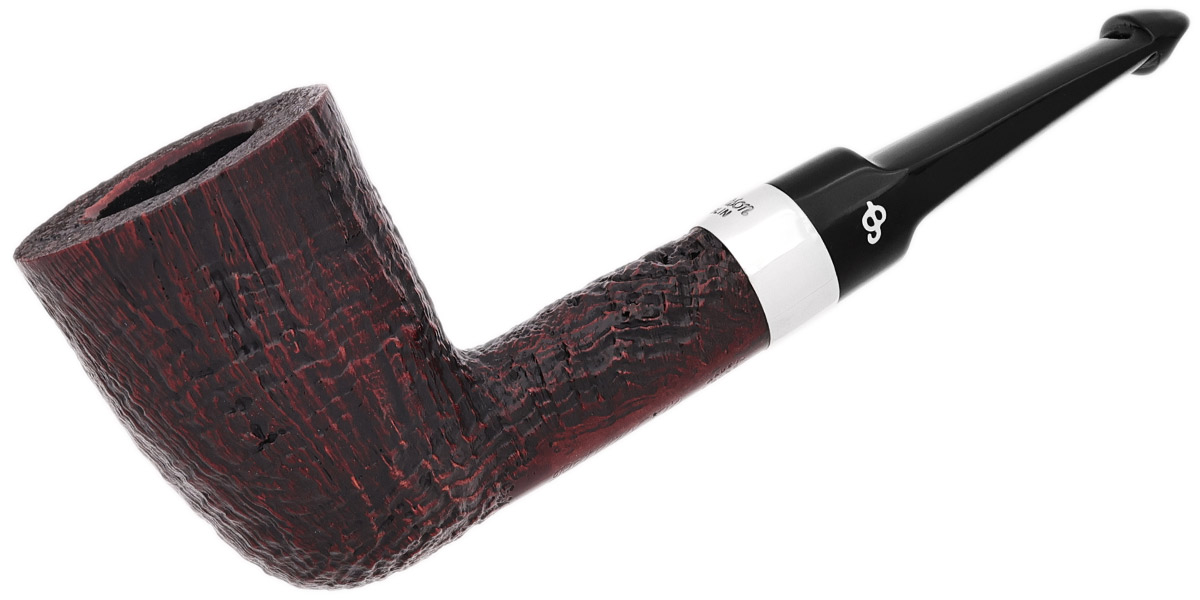
The Pub series is the Irish marque's "Goldilocks" pipe, fit for any occasion. Here it's rendered in a Dublin shape and features a craggy sandblast achieved through Peterson's artisan-style sandblasting process and is adorned with a sterling silver accent.
Vauen Pipe of the Year 2026 Sandblasted
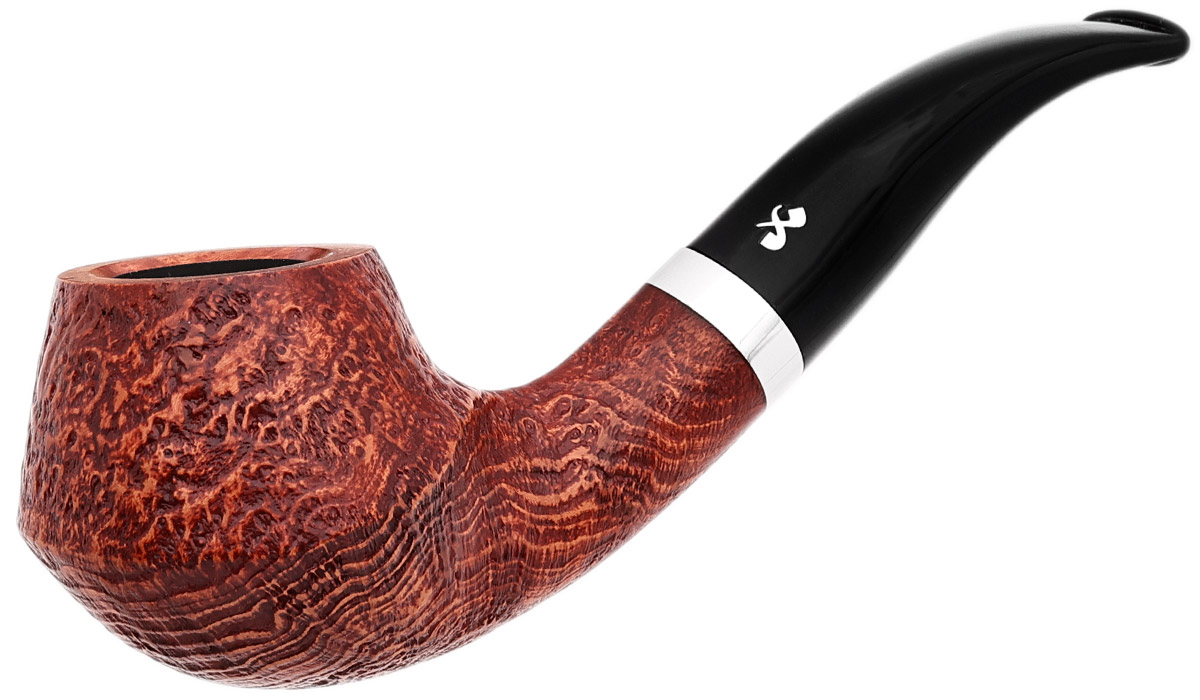
From Germany's oldest and largest pipe-making marque, Vauen's Pipe of the Year for 2026 features a Freehand design and is offered in various finishes, including this striking sandblast that highlights the natural grain of the briar splendidly.
Chacom Erica Sandblasted
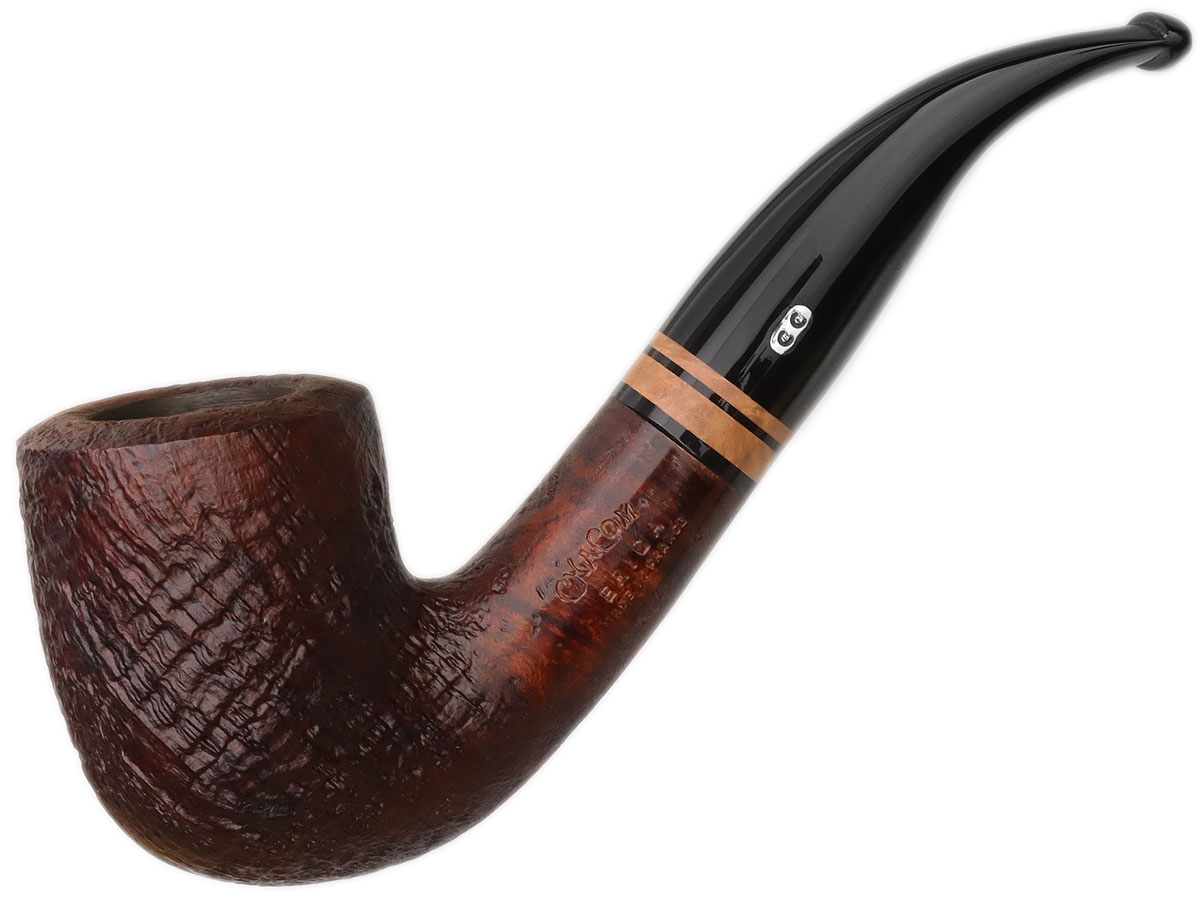
Here in the 1205 bent Billiard shape and rendered in a sandblasted finish, the Erica line by Chacom is named in honor of Erica arborea, the tree from which briar burl is harvested. The warm tones reveal handsome grain, with wooden accents providing subtle contrasts in a lighter brown hue.
Savinelli 150th Anniversary Carlo Sandblasted
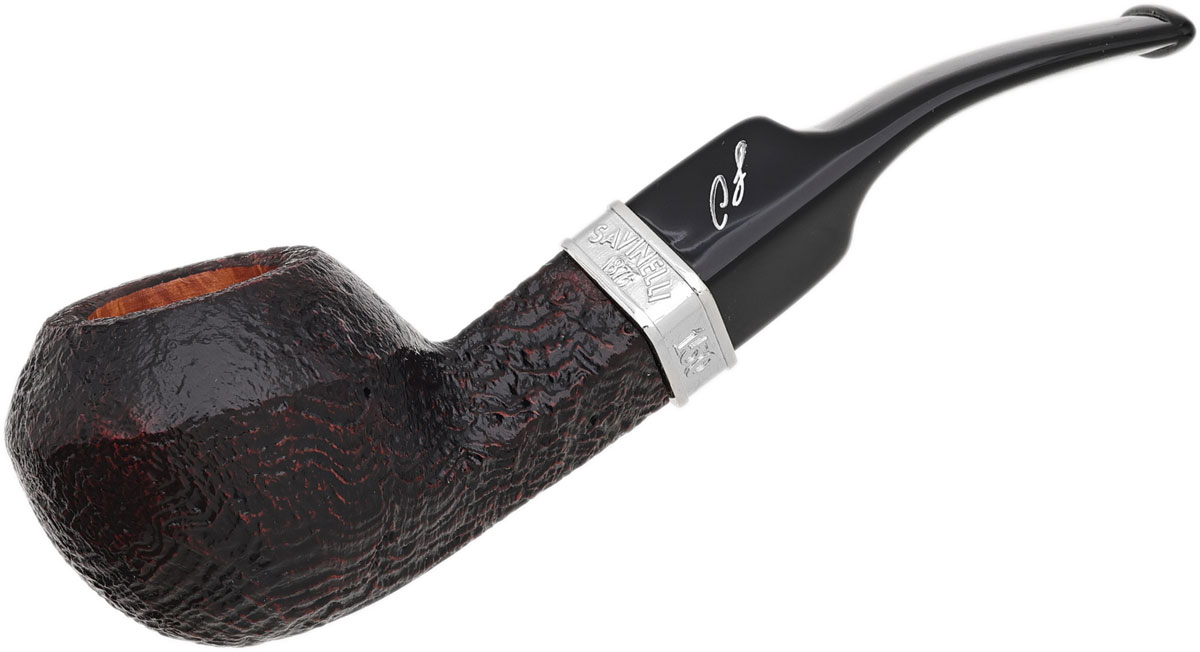
Designed especially for Savinelli's 150th anniversary, this series pays tribute to five generations of the family, with five distinct shapes, each named in honor of a successive head of the Savinelli family; this example honors Carlo and is rendered in a sandblasted finish highlighting the natural grain.
Peterson Deluxe Classic PSB
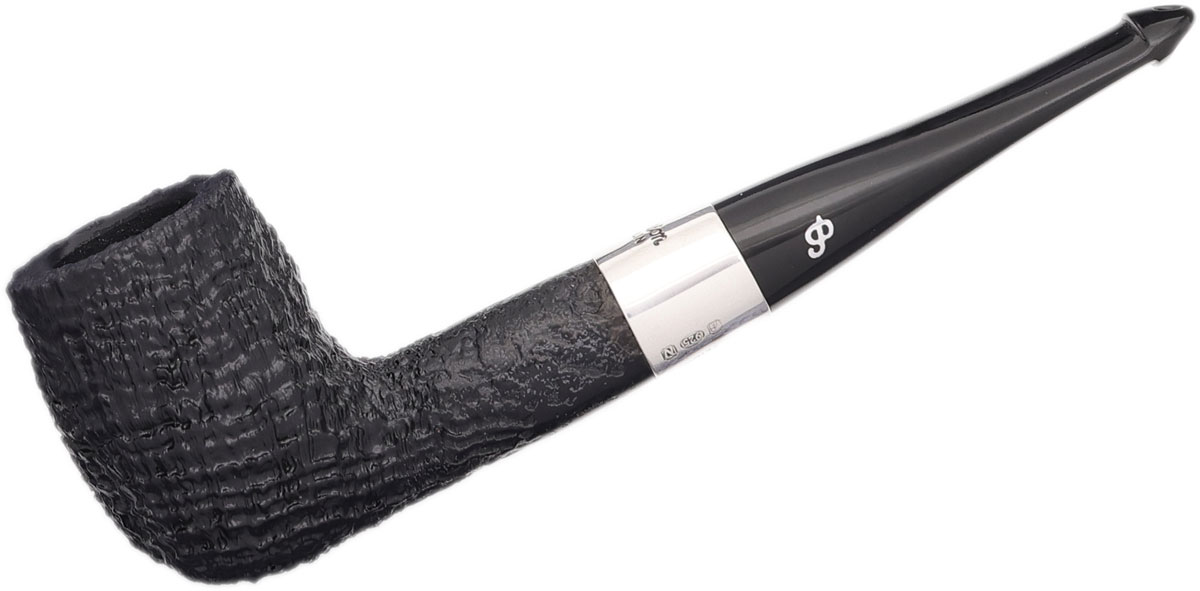
Peterson overhauled its sandblasting process by utilizing an artisan-style setup allowing craftsmen to sandblast each pipe individually and with added control. The results led the marque to create a special stamp to distinguish pipes showing choice, grain-defining sandblasts: the PSB grade. Only 1% of Peterson's regular production receives this designation, representing the new standard for sandblasted pieces.
Adam Davidson Sandblasted Blowfish
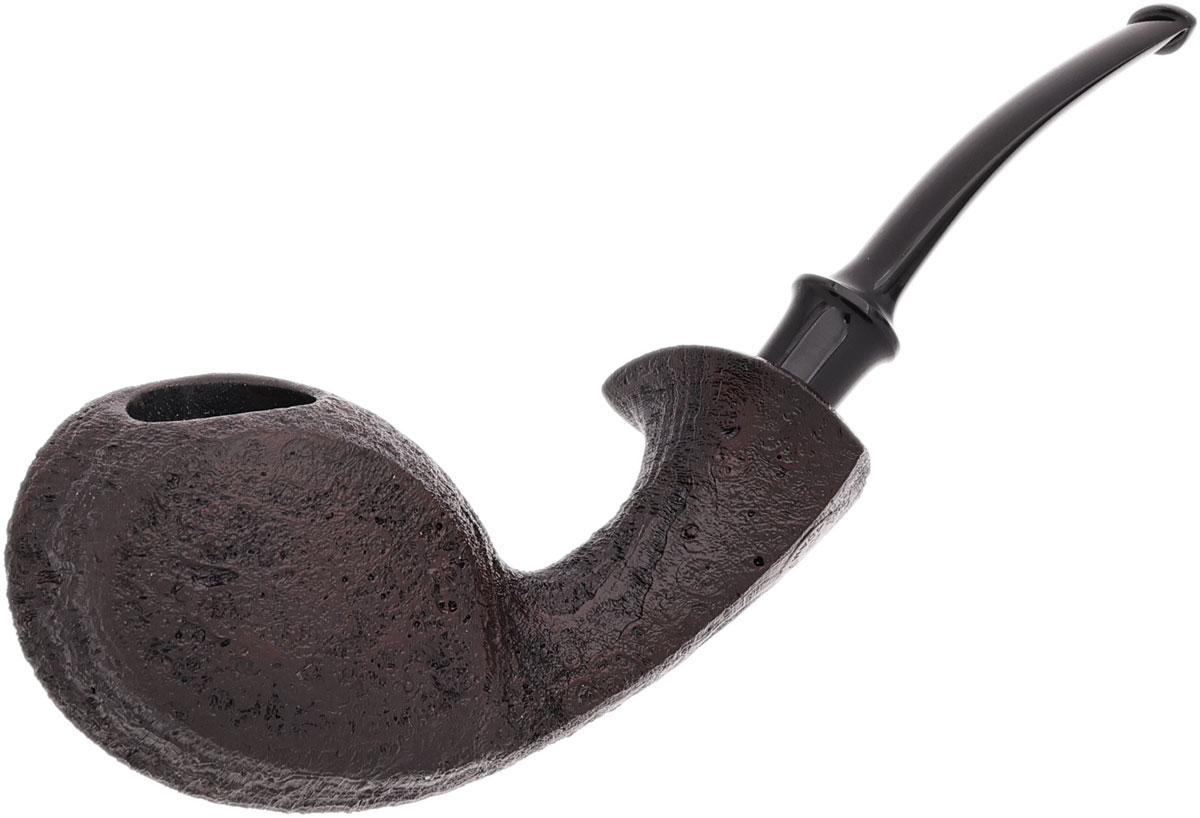
Artisan makers each have their own distinctive approach to sandblasting, including pieces like this by Adam Davidson. This Blowfish is dressed in a smoky and crisp blast, highlighting the grain that has been maximized with aplomb. The cross grain emphasizes the stummel's contours, while clusters of birdseye swirl along the flanks.
Rossi Arena
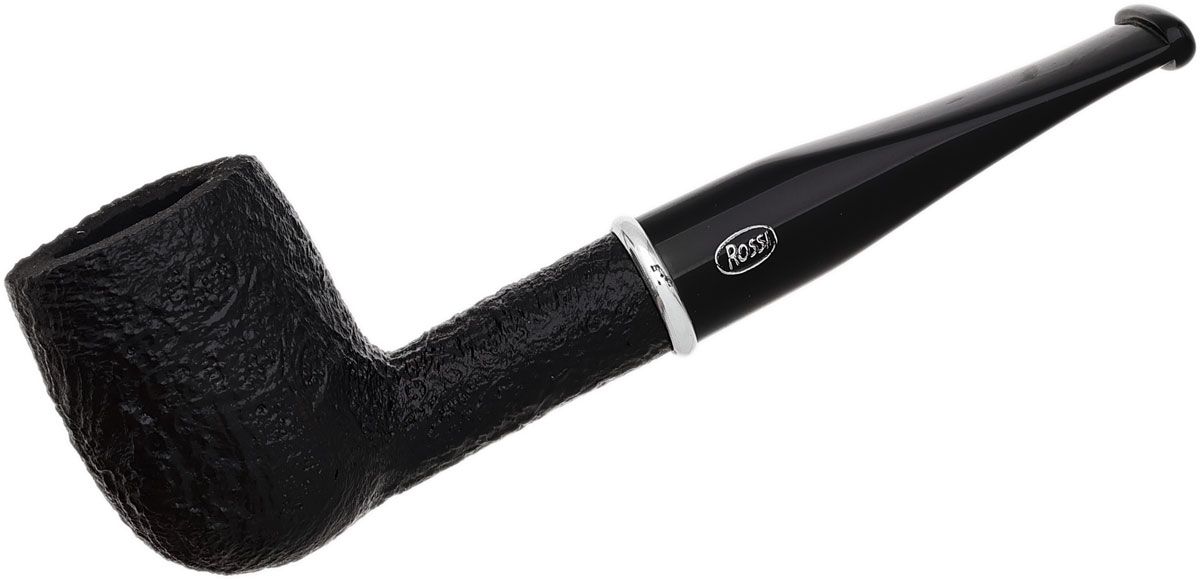
The newest release available from this list on-site is Rossi's Arena series, featuring the brand's first sandblasted finish. Marked by a crisp and detailed sandblast, the line presents a rugged yet refined aesthetic, distinguished by an understated palette with rich grain texture in the hand. Presented in various iconic shapes, each Arena pipe is a new expression of Rossi's craftsmanship and highlights timeless Italian character.
In Appreciation of Sandblasted Pipes
From Dunhill's practical invention in 1917 to today's artisan expressions, the sandblasted finish has traveled a long way from blemish concealer to a beloved finish collectors seek out. Every artisan and brand has a different approach to the art of sandblasting.
For those who are curious about sandblasted pipes and procuring one for your own collection, I invite you to peruse more selections beyond what I included above — There are many sandblasted pieces to discover on-site. Do you have a favorite shape or brand for sandblasts? Let me know in the comments below!
Bibliography
- Bastien. (2020, November 17). The different finishes of a briar pipe. La Pipe Rit.
- Stanion, C. (2023, January 13). A Closer Look at Briar Grain. Smokingpipes Daily Reader.
You may also enjoy:


Comments
Kayla, another wonderful article. Tracing the reasons for sandblasting and the evolution of its results demonstrates how the process has evolved for the better for all of us. Thank you.
Nice article. Thank you
I personally love the look of Dunhill sandblasted pipes. They smoke great too! Great article!
I'm still ambivalent about sandblasting. In instances it creates a textured look and feel, but can be overused. Many years ago a notable NYC tobacconist and pipe designer admonished me when I asked if he ever made sandblast pipes. His rebuke was that sandblast is an excuse for selling bad briar at premium prices. He wanted all of his own to clearly show the grain's tightness. With sandblasting he said that many of those features are hidden. As I matured my knowledge of pipe smoking I modified. Yes, sometimes stain and sandblast is used to unscrupulously hide flaws and grain structure, but if you've developed a practiced eye, you can tell if the briar is a worthy piece underneath all of that decoration. As this article mentions, sandblasting removes the "softer" wood from between the harder, so if you see tightly spaced valleys between the high points of the texture, you probably have a great briar. Tightly packed burls nodes with compressed wood rings down the side is one of many examples you can see brought out with sandblasting. So it can be a terrific arrow in the quiver of an artisan if used honestly. Buyers just need to develop a practiced eye, especially when they buy online.