EN
EN
 JA
JA ZH
ZH





 All New Pipes




















Measurements & Other Details
- Length: 6.29 in./159.77 mm.
- Weight: 2.56 oz./72.57 g.
- Bowl Height: 2.00 in./50.80 mm.
- Chamber Depth: 1.49 in./37.85 mm.
- Chamber Diameter: 0.74 in./18.80 mm.
- Outside Diameter: 1.66 in./42.16 mm.
- Stem Material: Vulcanite
- Filter: None
- Shape: Freehand
- Finish: Partial Sandblast
- Material: Briar
- Country: United States
About This Pipe
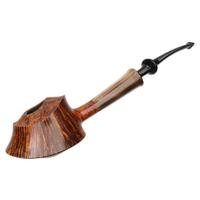
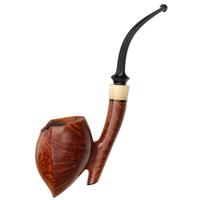
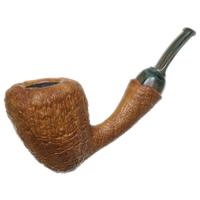
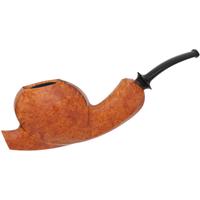
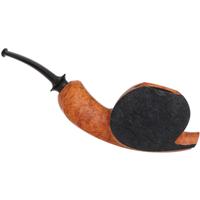
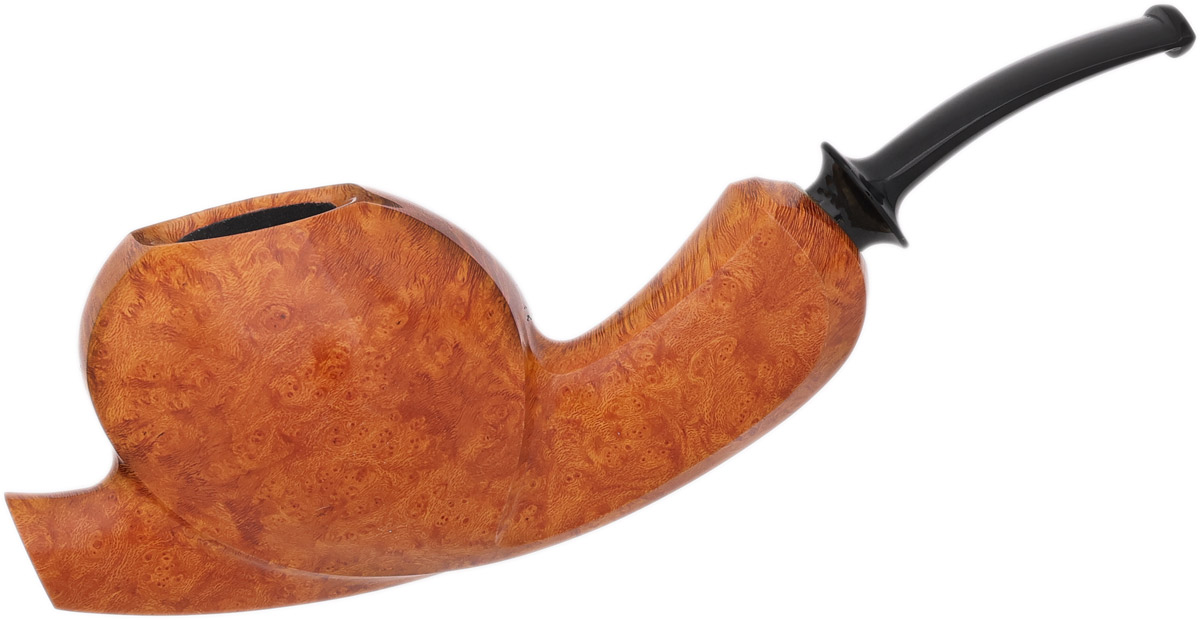
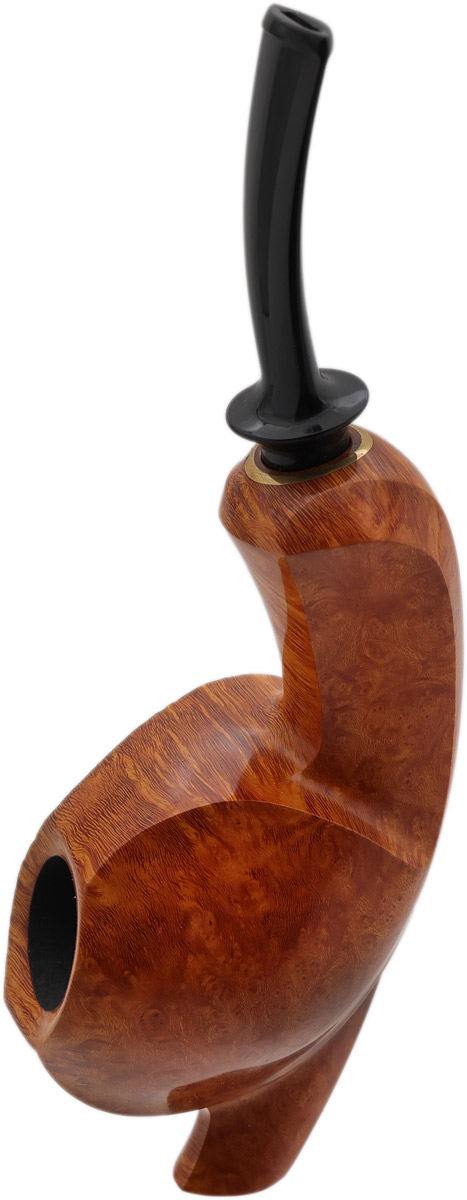
Muscular proportions and organic shaping cues abound in the work of Jeff Gracik, the artisan behind J. Alan pipes. Gracik's distinct combination of Danish and American influences is readily evident in this Dancing Fish. This Dancing Fish is the kind of pipe so ripe with detail that I could study it endlessly and continue to find new details. Every time I start to think I'm starting to understand what I'm looking at, a new feature pops out and changes the way I see it.
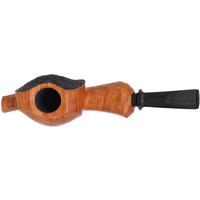
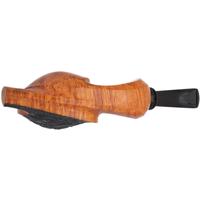
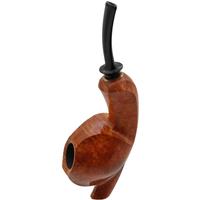
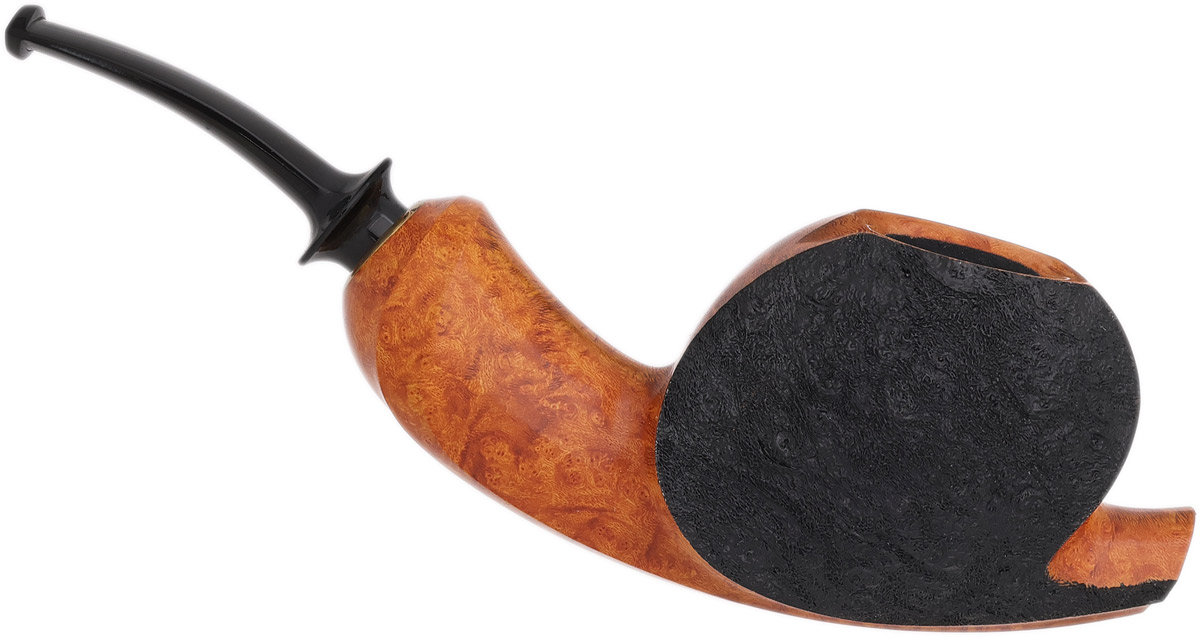
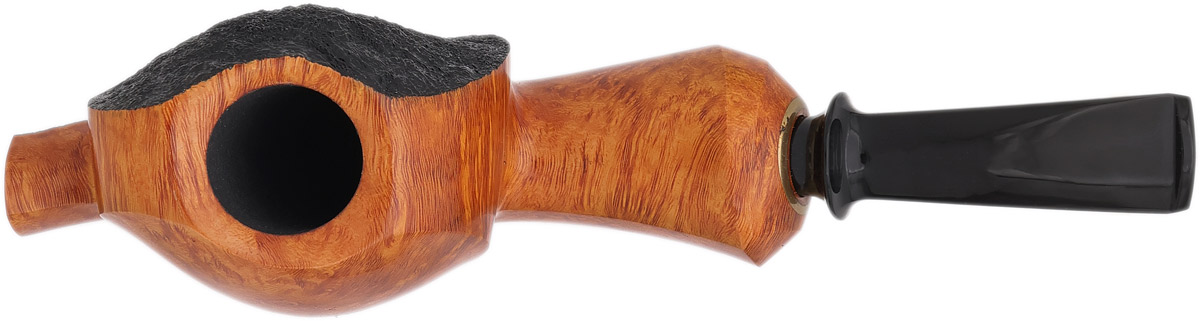
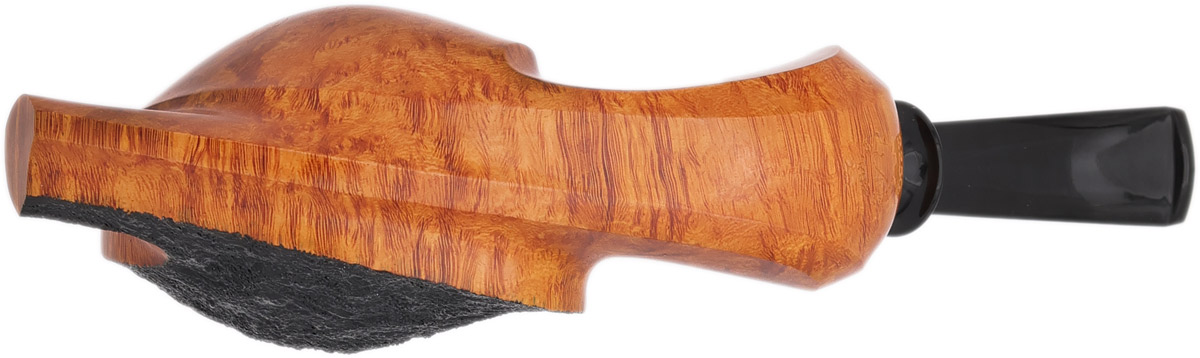
This pipe is a dynamic piece, full of subtle movement thanks to the asymmetric ridgelines that guide the eye in different directions. Beginning at the top of the shank end, two ridgelines flow out and around the shank's sides. On the left, these lines curve around until they become the lines that frame the bowl's leftmost panel. This panel is plumper than the right one and is angled so that it veers a little bit toward the right, which is the opposite direction from which the shank points. On the right of the shank, the two ridgelines curve down through the shank and the center of the heel before meeting a brief protrusion of briar at the bowl's fore. Shifting the gaze to the right a bit, one will find the beginning of another ridgeline which frames the sandblasted right panel of the bowl before swirling back around into the protrusion.
Probably the most fascinating part about this pipe to me is that each of the described ridgelines functions to meticulously define the boundaries between birdseye and cross grain. Gracik has done an outstanding job reading the grain here. Even the slimmest, most subtle of the panels follows the grain patterning of those around it. Gracik followed the natural flow of cross grain from the fore of the pipe, around the bowl and its protrusion, then back across the heel into the curved shank face. The stummel is finished smooth to show off incredible whorls of birdseye eddying about the flanks and densely packed cross grain across the center, with the understated hazelnut stain keeping things subtle. A black stain dresses the sandblasted portion of the stummel for a pop of contrast. Lastly, the protrusion of briar at the fore of the bowl can act as a balancing point to rest the pipe upon, making this an excellent piece to put on display and admire its boundless beauty.
– Aysia WaltonSimilar Pipes