EN
EN
 JA
JA ZH
ZH





 All New Pipes











Ask a question about this product.
Measurements & Other Details
- (Pat. B)
- Length: 5.99 in. Weight: 2.2 oz
- Chamber Diameter: 0.80 in. Chamber Depth: 1.38 in.
- Outside Diameter: 1.71 in. Bowl Height: 2.36 in.
- Stem Material: Vulcanite
- Length: 5.86 in./148.84 mm.
- Weight: 2.48 oz./70.31 g.
- Bowl Height: 2.20 in./55.88 mm.
- Chamber Depth: 1.40 in./35.56 mm.
- Chamber Diameter: 0.75 in./19.05 mm.
- Outside Diameter: 1.43 in./36.32 mm.
- Stem Material: Vulcanite
- Filter: None
- Shape: Volcano
- Finish: Sandblast
- Material: Briar
- Country: United States
About This Pipe
Formerly known as the American Pipe Making Exposition, our annual Global Pipe Making Exposition features contributions from some of the world's foremost artisans, all united around a central theme. One of the most exciting events of the year for carvers, smokers, and enthusiasts of briar alike, the Global Exposition acts not only as a showcase for the immense talent of these artisans but as a focus for the boundless creativity that these masters of the art possess. For 2026, the theme of our Expo is "The Art of the Sandblast," celebrating the artistry and craftsmanship behind one of the most meticulous finishing techniques in pipe making. Through the sandblast, these artisans transform the natural grain of briar into textured works of art, highlighting the unique character of each block and demonstrating the artistry of the technique.
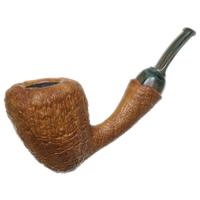
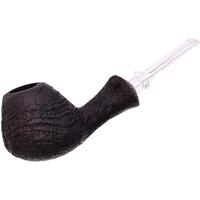
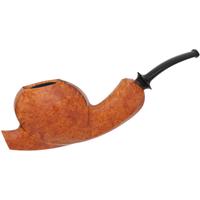
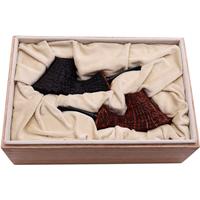
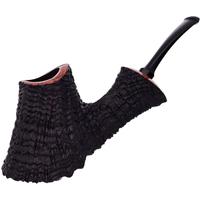
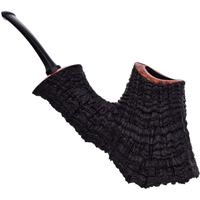
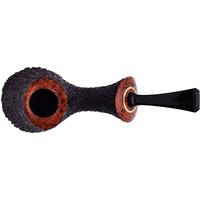
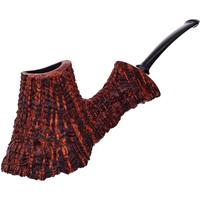
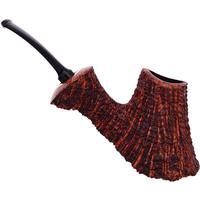
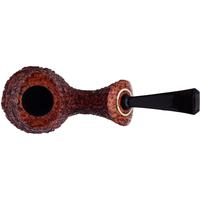
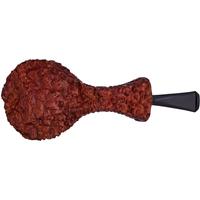
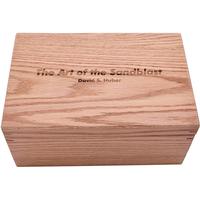
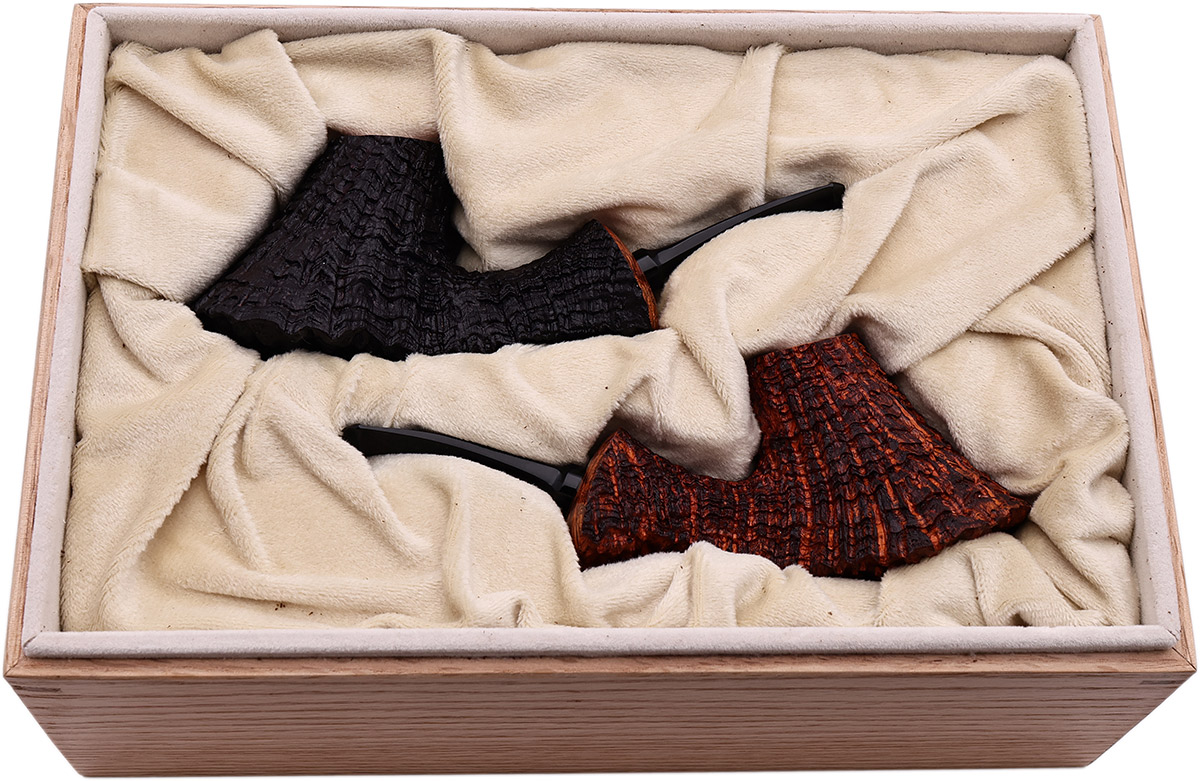
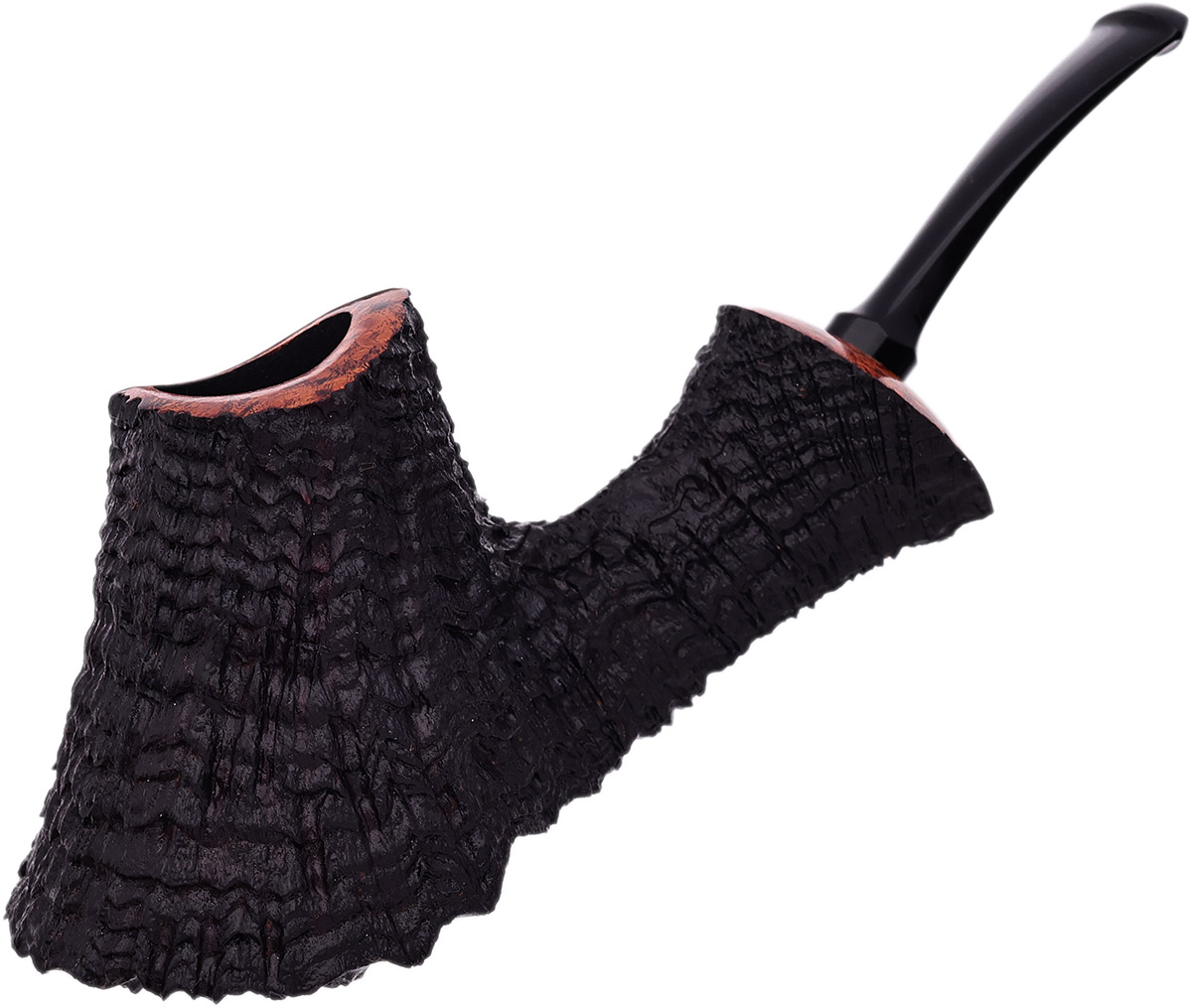
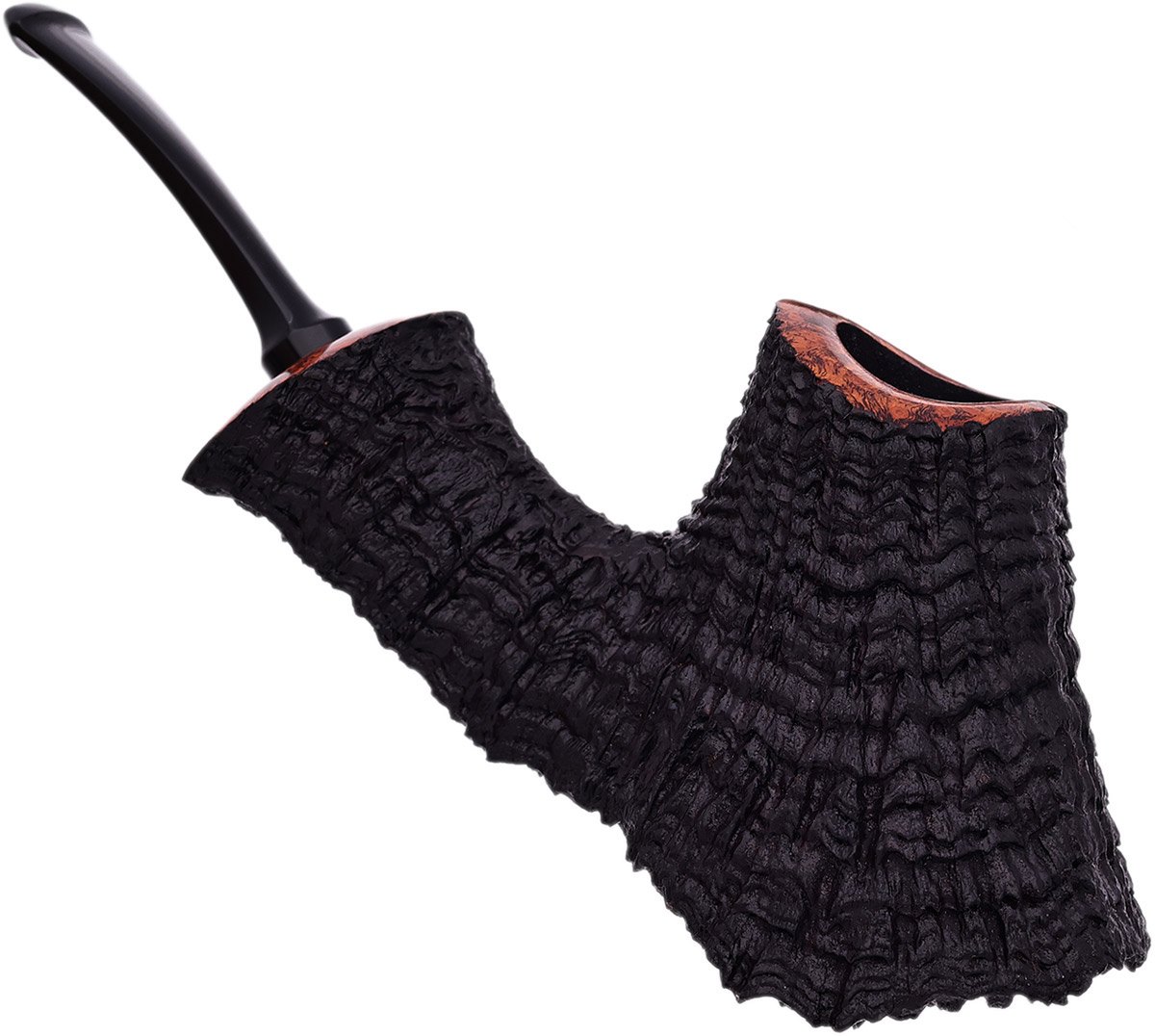
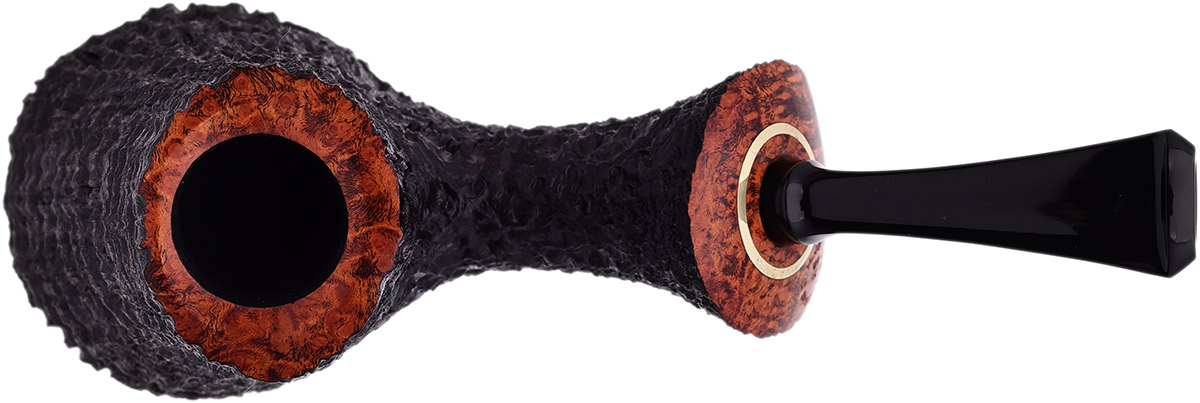
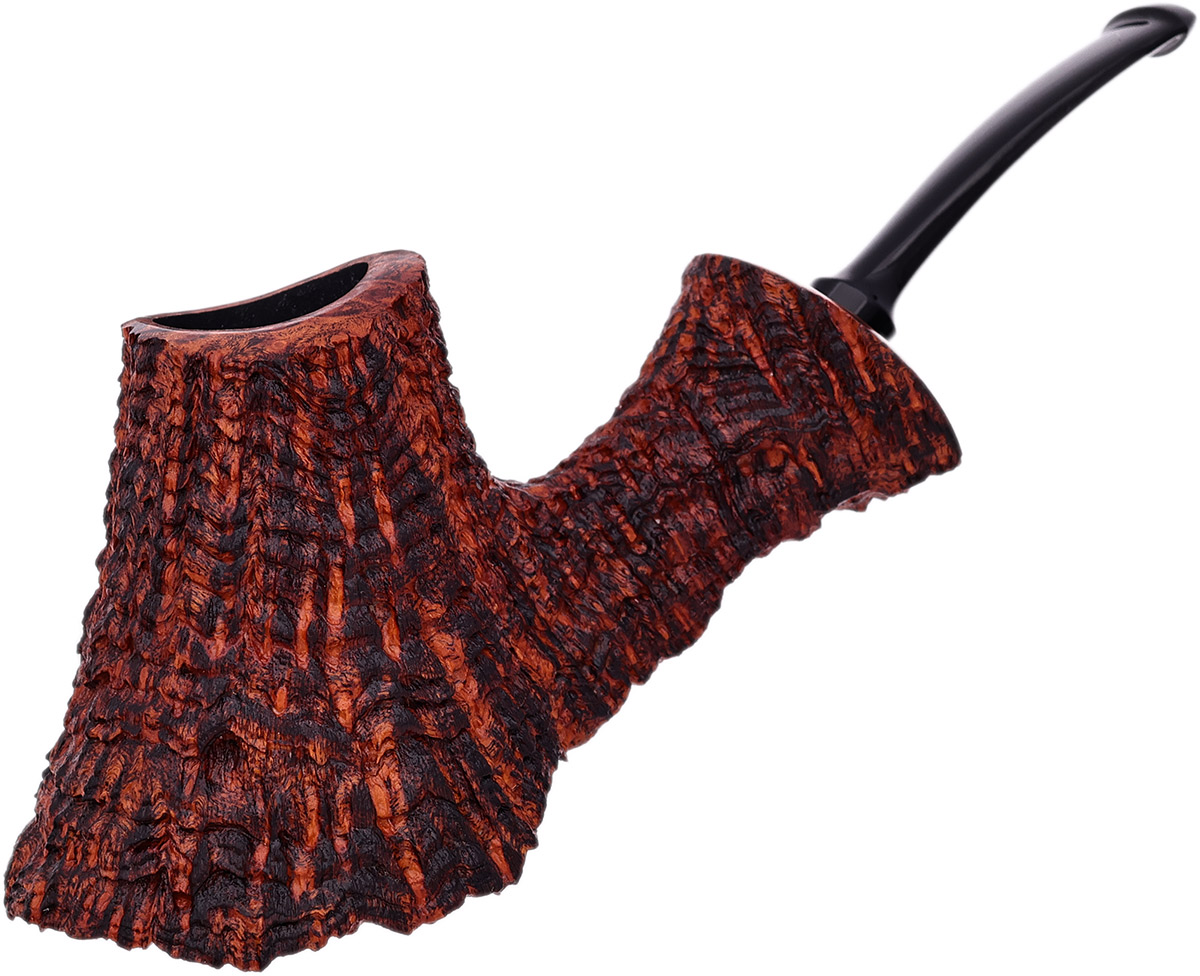
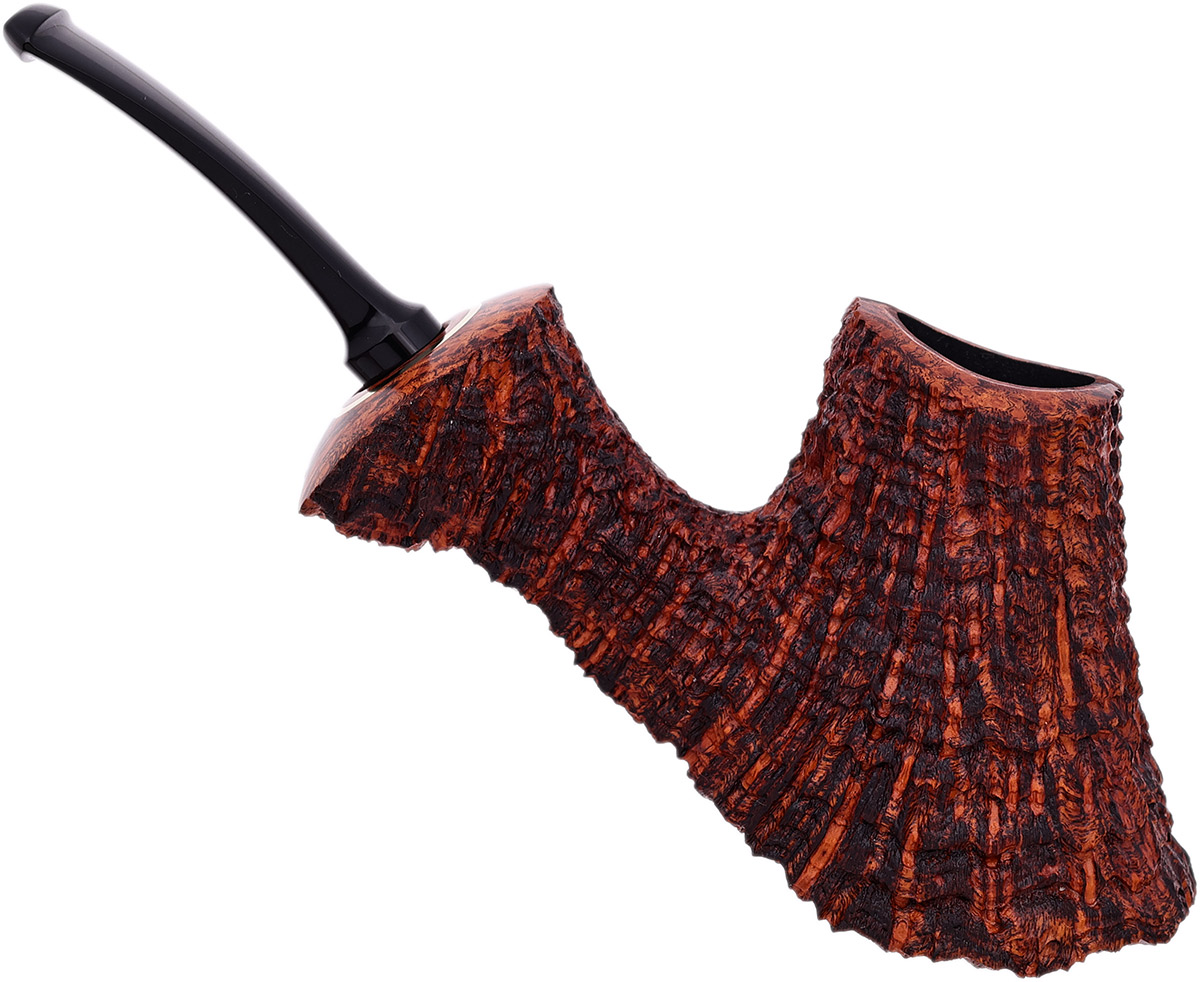
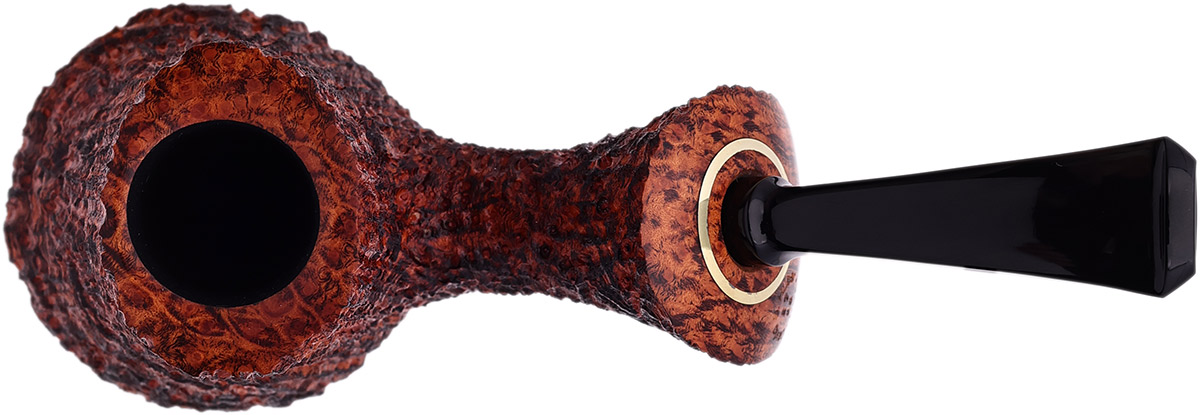
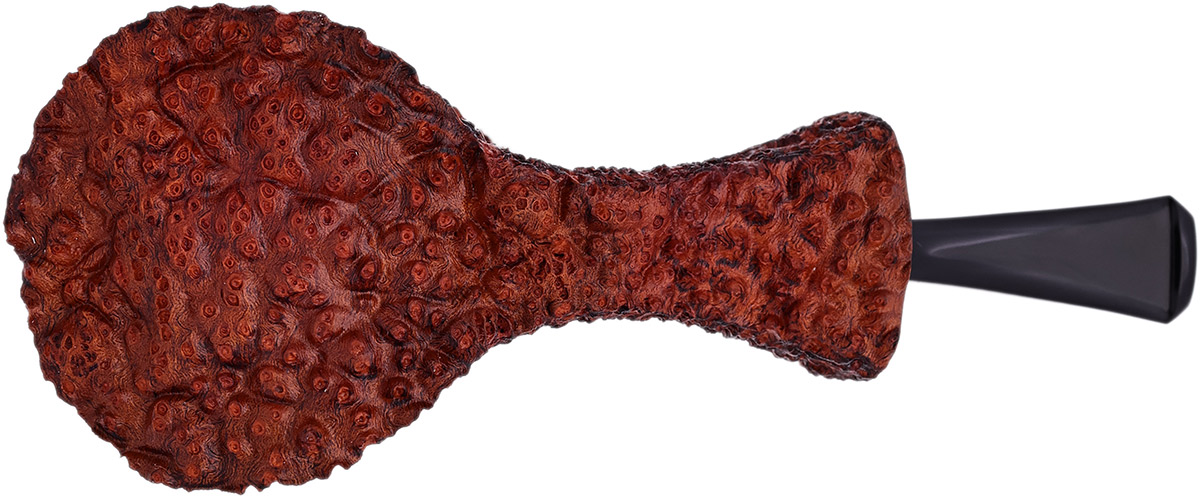
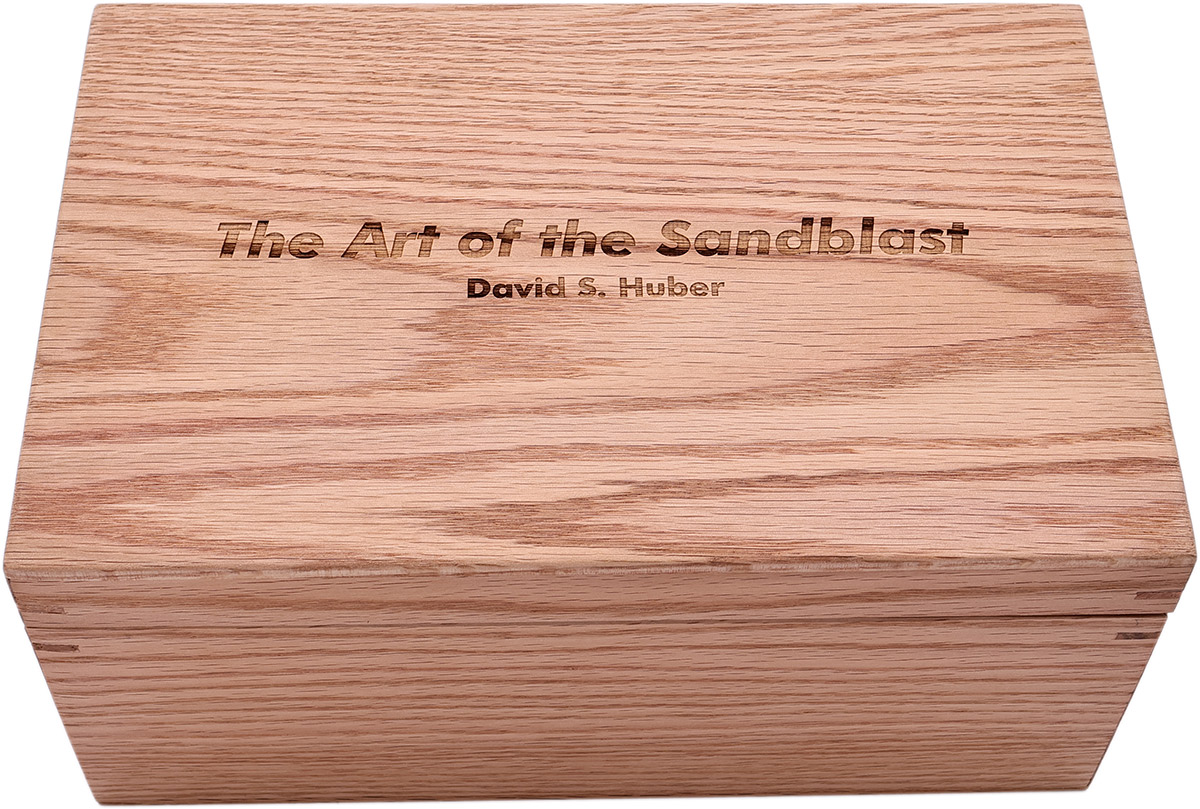
David Huber's offering for this year's Expo is not one pipe, but two, both presented in a handmade wooden box with "The Art of the Sandblast" etched into its top. Both pieces are Volcanoes, both are rendered from strawberry wood, and both of them display some of the most stunning sandblasted grain I have ever seen from Huber. Likewise, both pipes feature remarkably similar shapes that appear to take inspiration from the Japanese school of pipe making. In both pieces, the bowl is rooted in a broad heel comprising an expansive swath of plateau, which extends rearward and into the shank, with both shanks following the natural curve of the plateau to achieve a striking degree of lift. From their vast heels, the bowls take on a gradual taper to the rim and the walls curve in tandem, the fore cinching inward a bit and the aft bowing out slightly: the added body at the aft side mostly subsumed by the transition and start of the shank to emphasize a leaning look at the bowl. At the rim, both pipes reveal an ovoid shape, the taper at the bowl's flanks less emphasized than that of the fore and aft, and both rims are finished smooth to reveal a swirling basin of birdseye that matches the smooth surfaces of both shank's ends. The similarities extend to the relative shape of the shanks, excluding the underside, where the transition forms a very slightly acute arc and the top lines start a gradual curve upward and outward, enhancing their lifting look and balancing some of the visual weight primarily taken up by the bowls.
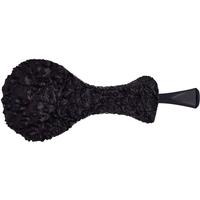
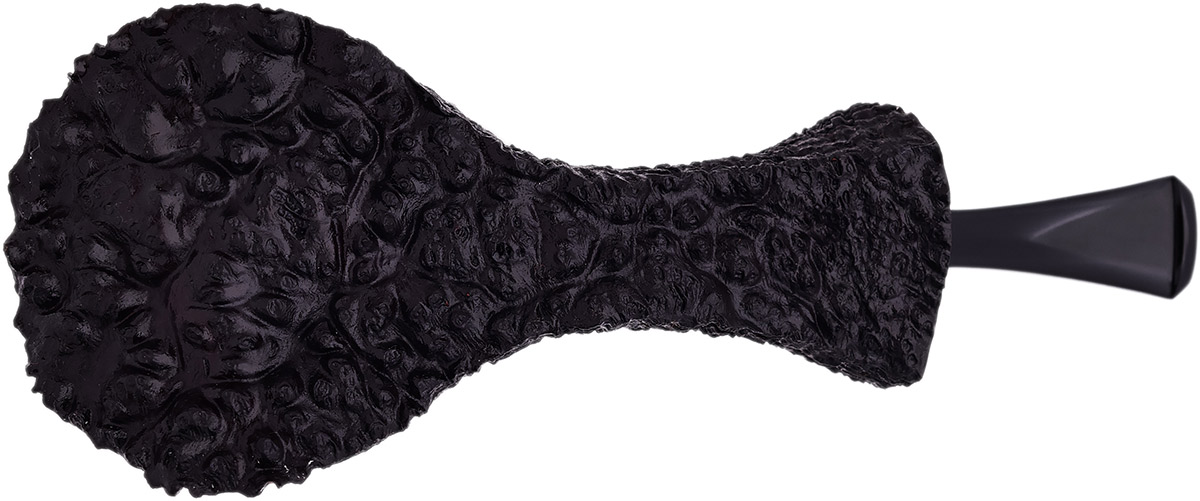
The most obvious and apparent difference between these two siblings is the style of sandblast Huber has decided to finish them with, one of them dressed in an inky, understated stain that makes the smooth areas pop, and the other covered in a brilliant contrast stain that matches the smooth areas exceptionally and reveals streaks of visual flame grain running perpendicular to the rings that cover the stummel. The black blast's underside features larger, more pronounced peaks of plateau across its surface, and a slightly more even trajectory from the heel to the shank face, making the shank's rise consistent and granting the silhouette an almost graceful character. The contrast blast, on the other hand, has an underside packed densely with fine pinpricks of the burl's exterior, all of which have been very carefully finished in a way that reveals the birdseye beneath. This achievement likely required a meticulous process of precise sanding and sandblasting that retained the structure and organicism of the plateau, while taking off a minuscule amount of material for the stain to properly penetrate the briar. Additionally, and likewise unlike the black blast, the contrast blasted Volcano displays a shank whose lift is more swift, whose lines are more craggy and even jagged as they lead to the stem, and this grants the pipe an air of rugged muscularity that transforms the shape's agility into an almost predatory stance. The ring grain flowing down both of these pieces appears stacked, standing out with hard, crisply-defined edges that are incredibly rich with texture, and both pipes showcase strands of flame, albeit in different ways: the black blast's is more ingrained with the texture, and the contrast blast's is more illustrative. A pair of slim and demurely curved saddle stems rendered from black vulcanite complete these pipes, keeping one's attention fully on the stummels and on their impeccable display of grain.
-John McElhenySimilar Pipes