EN
EN
 JA
JA ZH
ZH





 All New Pipes



















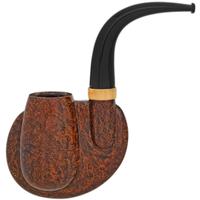
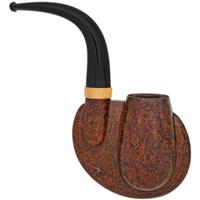
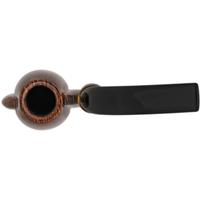
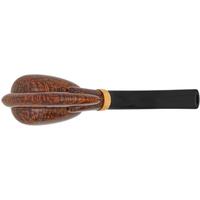
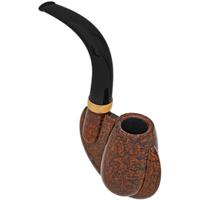
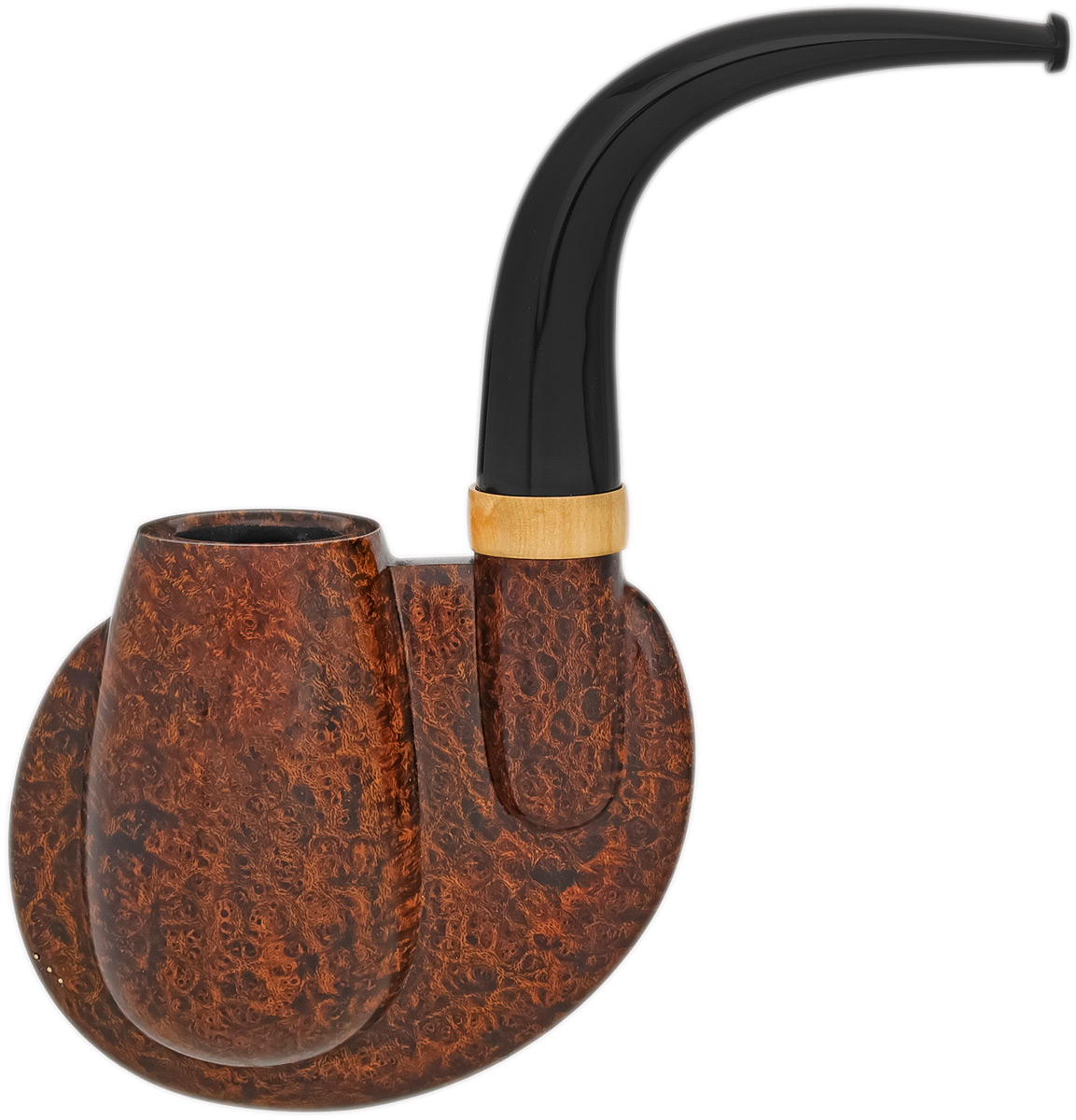
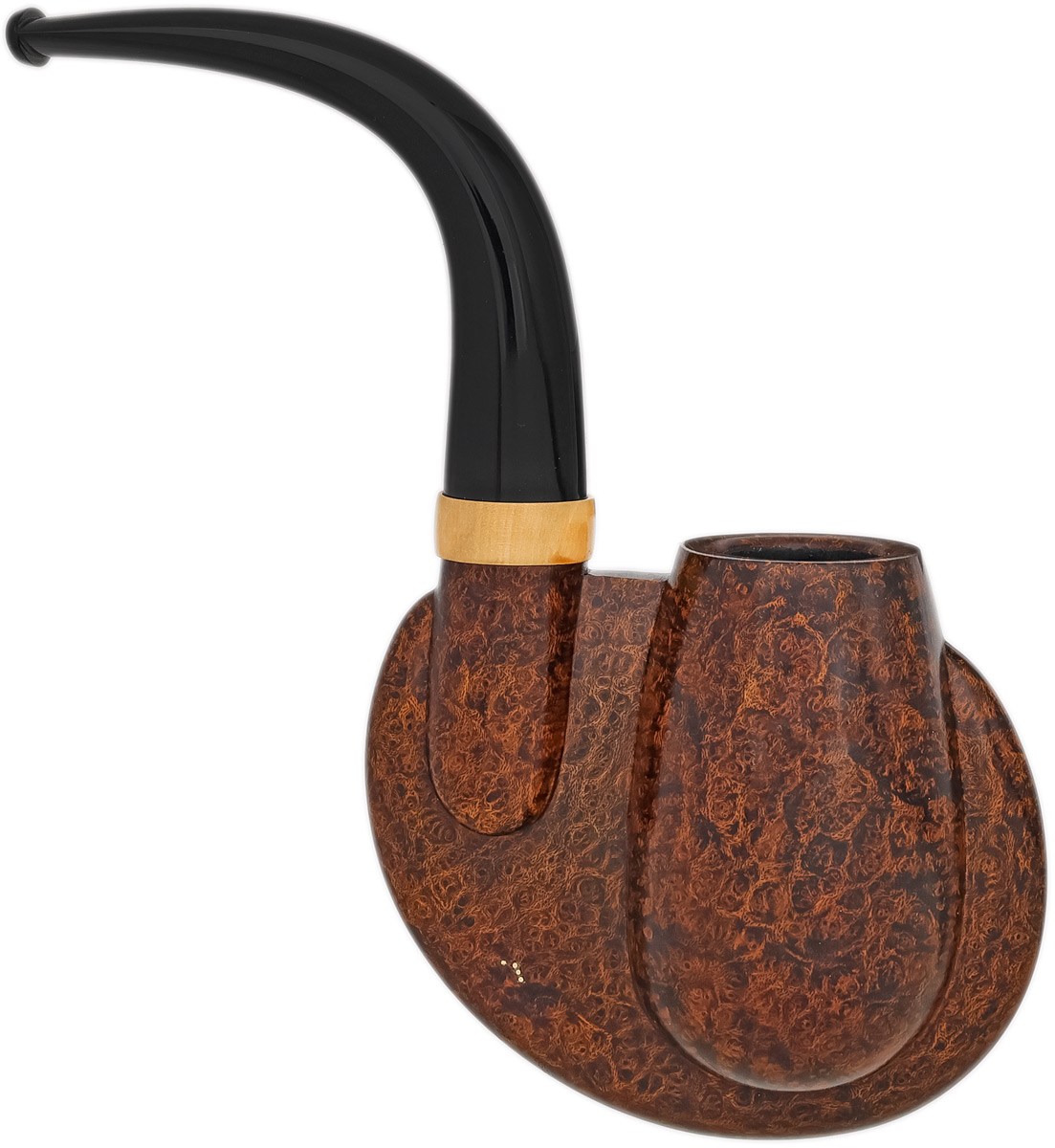
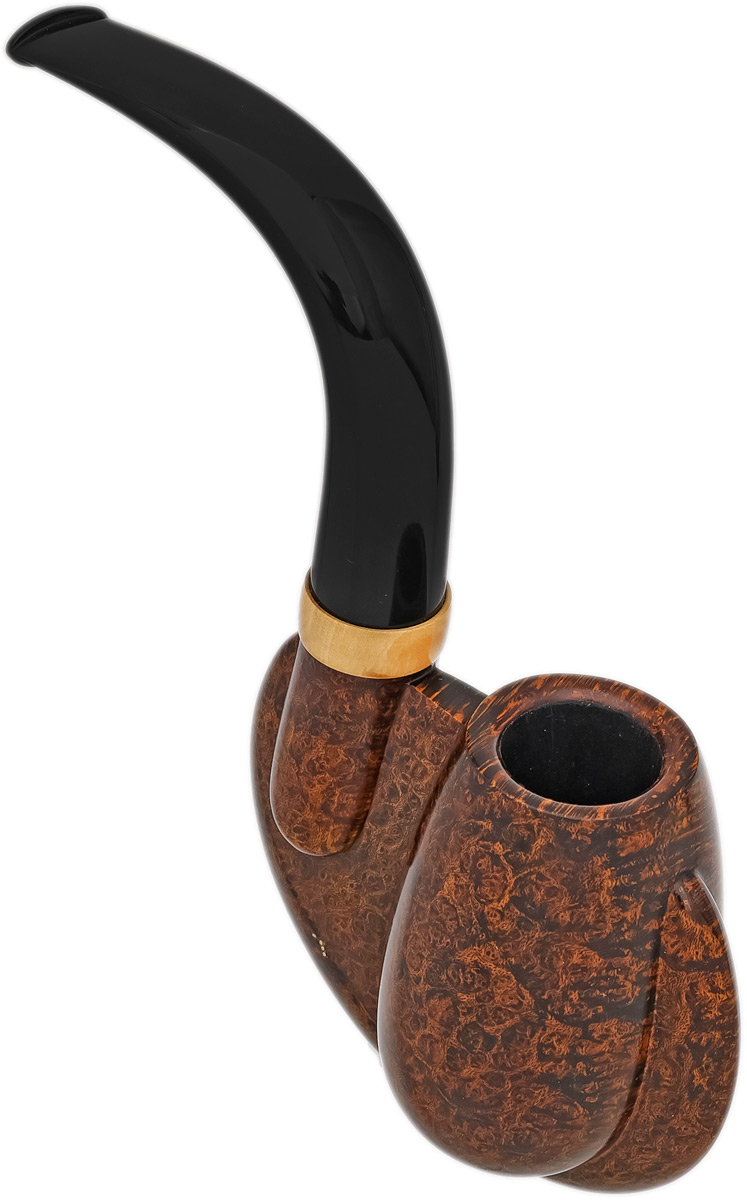
Smooth Nguni Tribute Oom Paul with Boxwood and 18K Gold Tobacco Pipe
Product Number: 002-694-0090

Ask a question about this product.
Measurements & Other Details
- Length: 5.94 in./150.88 mm.
- Weight: 2.21 oz./62.60 g.
- Bowl Height: 2.57 in./65.28 mm.
- Chamber Depth: 2.04 in./51.82 mm.
- Chamber Diameter: 0.66 in./16.76 mm.
- Outside Diameter: 2.89 in./73.41 mm.
- Stem Material: Vulcanite
- Filter: None
- Shape: Oom Paul
- Finish: Smooth
- Material: Briar
- Country: Brazil
About This Pipe
Formerly known as the American Pipe Making Exposition, our annual Global Pipe Making Exposition features contributions from some of the world's foremost artisans, all united around a central theme. One of the most exciting events of the year for carvers, smokers, and enthusiasts of briar alike, the Global Exposition acts not only as a showcase for the immense talent of these artisans, but a focus for the boundless creativity that these masters of the art possess. For 2025, the theme of our Expo is "In Memoriam," celebrating the life and works of artisans who have passed on, yet whose impact on the craft and those around them is utterly undeniable.
Rather than highlight a specific pipe maker, for this year's Expo, Gustavo Cunha has instead drawn on the pipes of an entire people and his own Afro-Brazilian heritage to present a piece honoring the entire pipe making tradition of the Nguni people of Southern Africa. The Nguni people actually encapsulate a number of different ethnic groups that comprise a greater ethnolinguistic sphere, including the Xosha, Ngoni, Swati, Zulu and many others. These groups shared similar social organizations, similar language roots, and developed similar social rituals for tobacco use, though their cultures all differed in many respects. For the Nguni, the consumption of tobacco was, and remains, quite widespread, and they developed an utterly unique style of pipe making after the introduction of the crop by Dutch colonists around the 16th century. Pipes were seen as items denoting and bequeathing social status, and, as such, they were crafted in a variety of forms, with more complex, difficult to craft examples being more impactful and desirable. The inventiveness of some of these pieces is remarkable, including one of the earliest triple-bowled pipes I've seen, large figural pieces depicting people or animals, and even flattened, disk-like pipes made of stone, with engineering reminiscent of the Oom Paul.
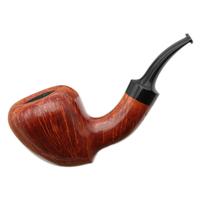
Of course, Cunha has taken shaping inspiration from the latter of those three examples, presenting us with a pipe that's unlike anything I've ever seen from Gustavo before, and that stands out among every pipe I can remember seeing since I began working here. In comparison to the original, the similarities are uncanny, though there's a bit more emphasis on the shank area here, and any empty space at the transition has been filled by the trim outline of the disk that surrounds the more "traditionally" pipe-like elements of the composition. This disk-like arrangement of the briar is truly mesmerizing, as it almost rejects the idea of visual weight, instead essentially emphasizing the entirety of the stummel as the focal point of the piece. This structure also conceals the internal engineering usually held by the shank, as there isn't really a shank here in the more European style that most smokers are used to seeing. Instead, the shank's look comprises a bulging area of briar with a broad accent of boxwood at its end, with the briar itself being as wide as the stem, and expanding slightly at the bottom before rounding into the flat surface of the disk. The effect of this shaping is as if the stem itself were fully engulfed by the briar, which makes the absence of any prominent visual connection with the bowl all the more arresting.
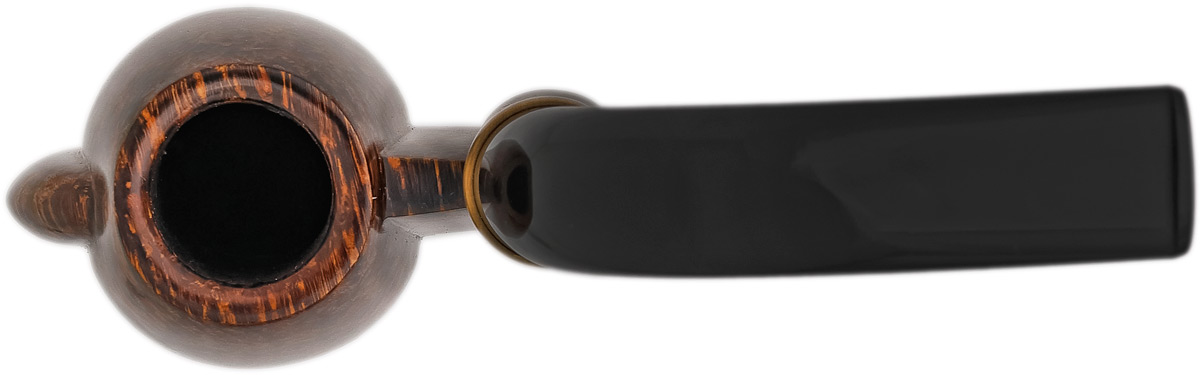
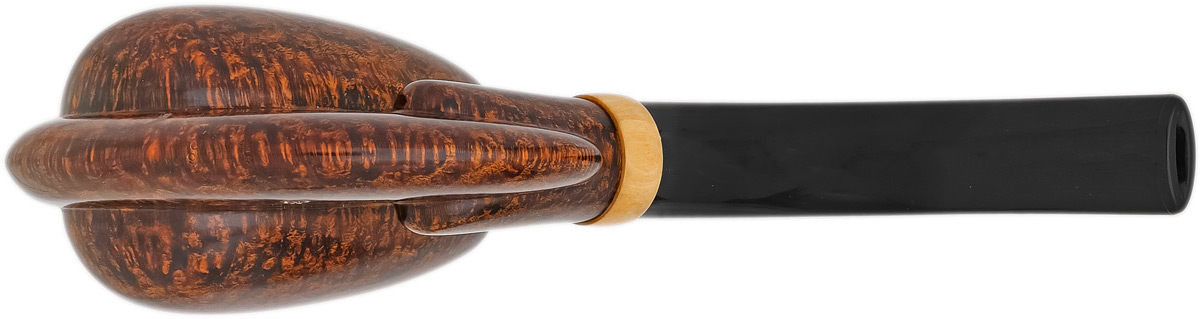
The bowl itself is set at the far fore edge of the surrounding disk and is the most immediately recognizable aspect of this pipe's construction, standing out not only thanks to its plump roundness, but the subtle cheeking that Cunha has included around all of its edges. This cheeking further extends the illusion of engulfment, as if a full bowl were overtaken by the disk before being pulled taut: making visible the distinct outline within. The only part of the bowl extending above its surroundings is the rim, and aerial appreciation of this arrangement displays the bowl's deceptively ovoid outline, being slightly broader at the flanks than through the fore or aft. Additionally, if examined further from the front or behind, it's revealed that the briar disk actually takes on a very subtle taper from the underside to the top, making for a delightfully varied pipe that benefits from conscientious consideration. The final details of this pipe that absolutely must be mentioned are the pair of 18 Karat gold constellations that Cunha has inlaid into the briar, one at the left fore, the other at the lower right aft. These are representative of the method certain Nguni peoples used to orient themselves while traveling, and they're an homage to a traditional Brazilian method of jewelry making practiced for three centuries in Gustavo's home region.
-John McElheny