EN
EN
 JA
JA ZH
ZH





 All New Pipes




















Measurements & Other Details
- Length: 4.38 in./111.25 mm.
- Weight: 2.40 oz./68.04 g.
- Bowl Height: 1.70 in./43.18 mm.
- Chamber Depth: 1.33 in./33.78 mm.
- Chamber Diameter: 0.76 in./19.30 mm.
- Outside Diameter: 1.74 in./44.20 mm.
- Stem Material: Vulcanite
- Filter: None
- Shape: Freehand
- Finish: Sandblast
- Material: Briar
- Country: Germany
About This Pipe
Formerly known as the American Pipe Making Exposition, our annual Global Pipe Making Exposition features contributions from some of the world's foremost artisans, all united around a central theme. One of the most exciting events of the year for carvers, smokers, and enthusiasts of briar alike, the Global Exposition acts not only as a showcase for the immense talent of these artisans but as a focus for the boundless creativity that these masters of the art possess. For 2026, the theme of our Expo is "The Art of the Sandblast," celebrating the artistry and craftsmanship behind one of the most meticulous finishing techniques in pipe making. Through the sandblast, these artisans transform the natural grain of briar into textured works of art, highlighting the unique character of each block and demonstrating the artistry of the technique.
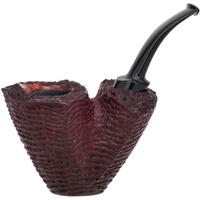
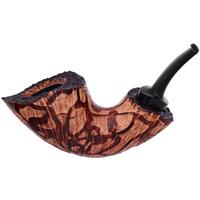
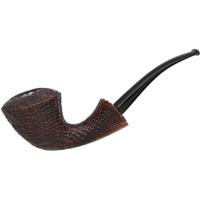
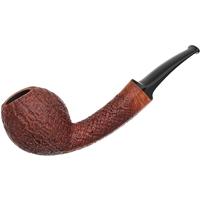
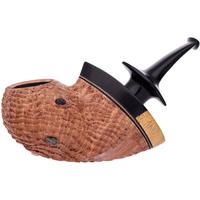
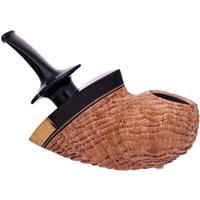
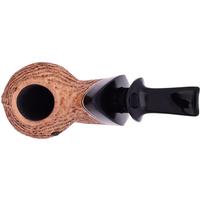
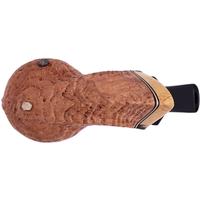
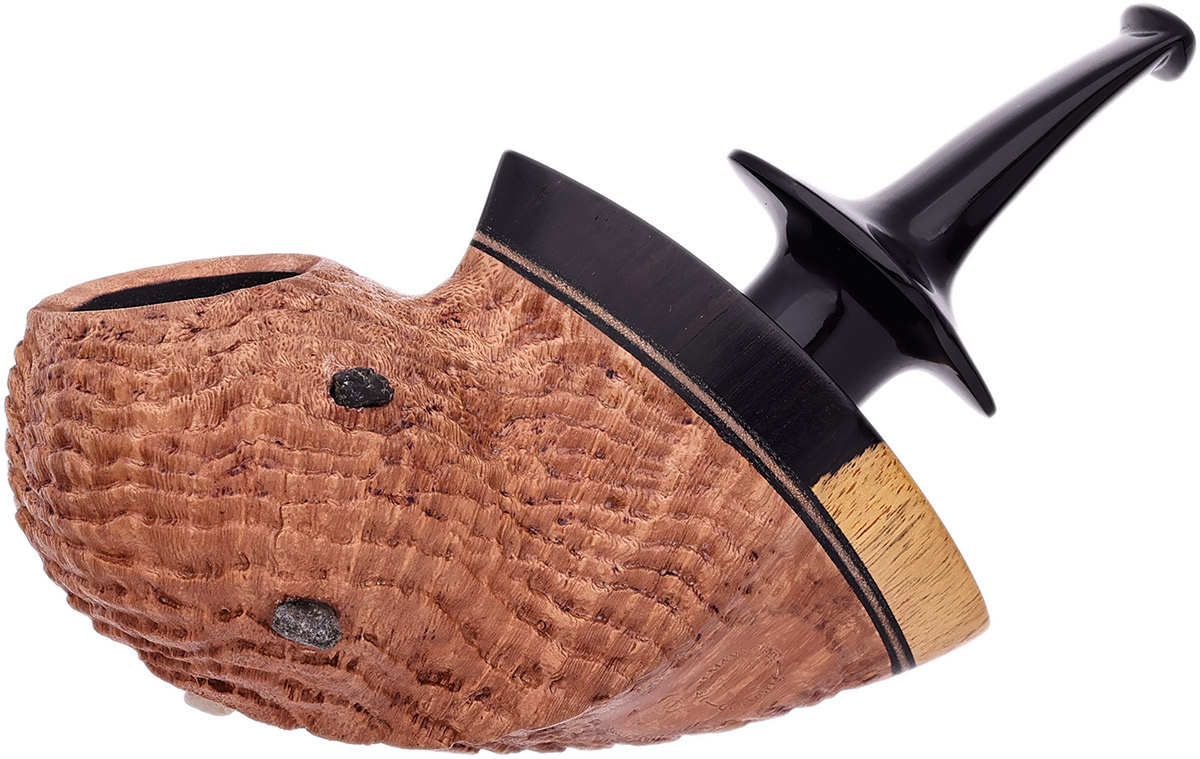
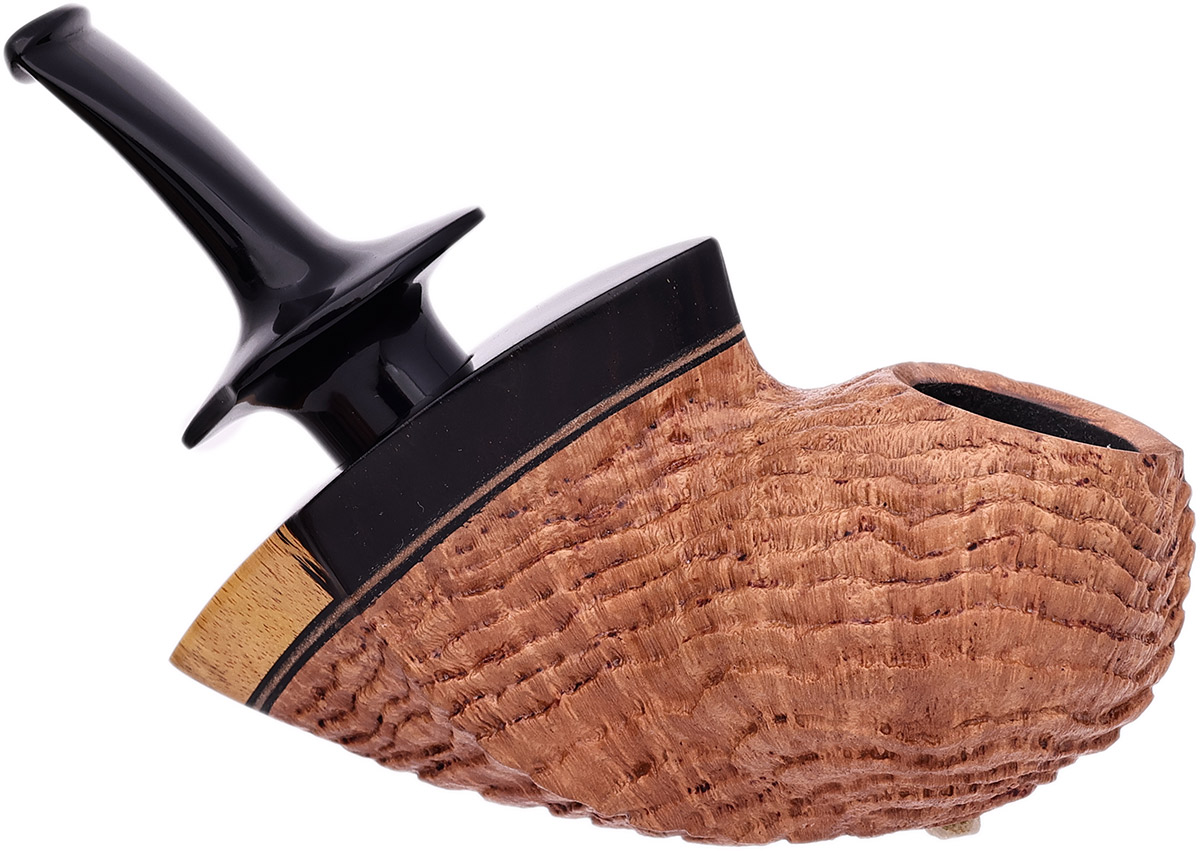
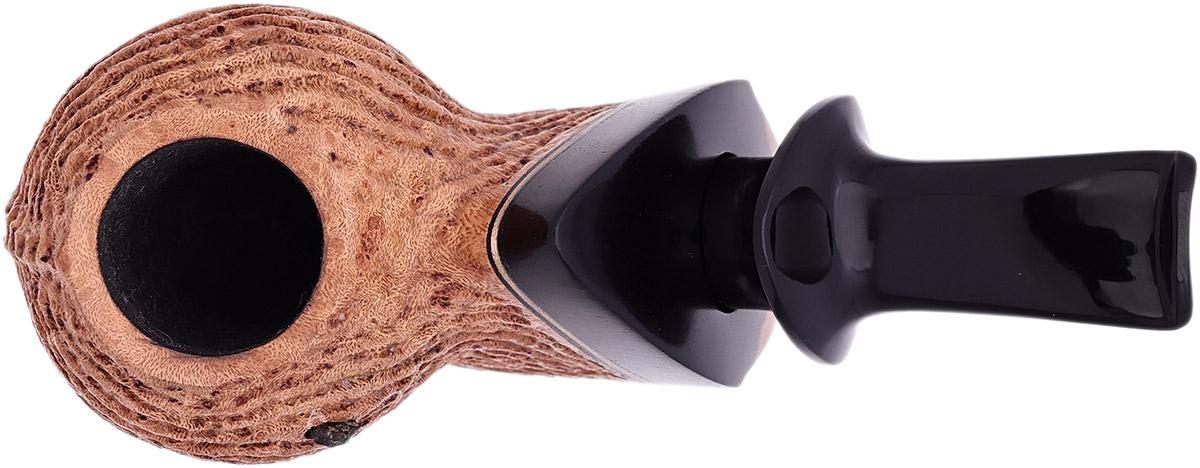
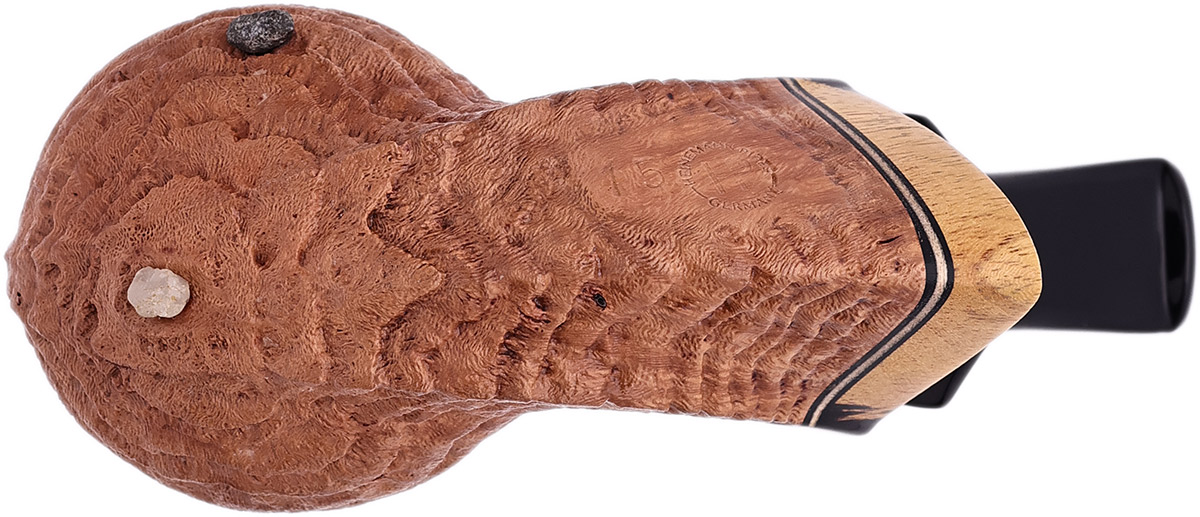
German artisan Dirk Heinemann presents us with one of his signature Dora shapes here, arguably the most iconic of his signature forms and one that takes to a sandblast exceptionally well. A compact and carry-friendly pipe, coming in at well under four and a half inches long, this piece yet displays a good deal of thickness through its build, ensuring that, though it's primed for travel, it cannot be ignored in the hand. Shape-wise, this piece displays an impressively complex arrangement of ridgelines, not unlike the Fish, which are centered around the shank. Said shank is a tall, poised structure whose end curves forward to poise it over the rim, commanding a great deal of the visual weight and pulling it back to the center on the transition: making the entire stummel a focal point to keep the eyes locked on the briar. Shaped in a softened, slightly offset diamond pattern, the shank's end is surrounded with a long ridgeline that acts as the hub for a trio of separate ridges to begin their own travel. Two of these ridges are situated near the flanks, and the last rides along the underside, the former pair making a swift plunge down to converge on the latter. The ridge at the underside, however, stops before the others meet it, leaving them to continue their travel through the lower sides of the shank before rising in tandem at the bowl's fore. Here their lift continues until reaching the rim, where they nearly meet, instead creating a raised area of briar between them that adds extra body to the bowl and more firmness in the hand. The bowl itself is a pleasantly round, Apple-like spheroid that stands on a sweeping, fluid heel, which rapidly becomes indistinguishable from the front portion of the bowl. This heel affords the shape an agile character, and it creates a good deal of momentum in tandem with the shank, especially given the shank's posture.
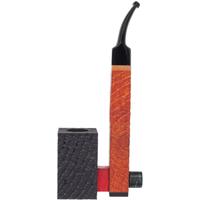
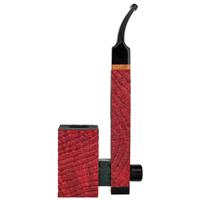
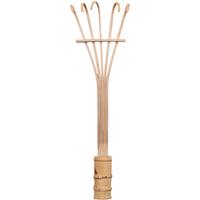
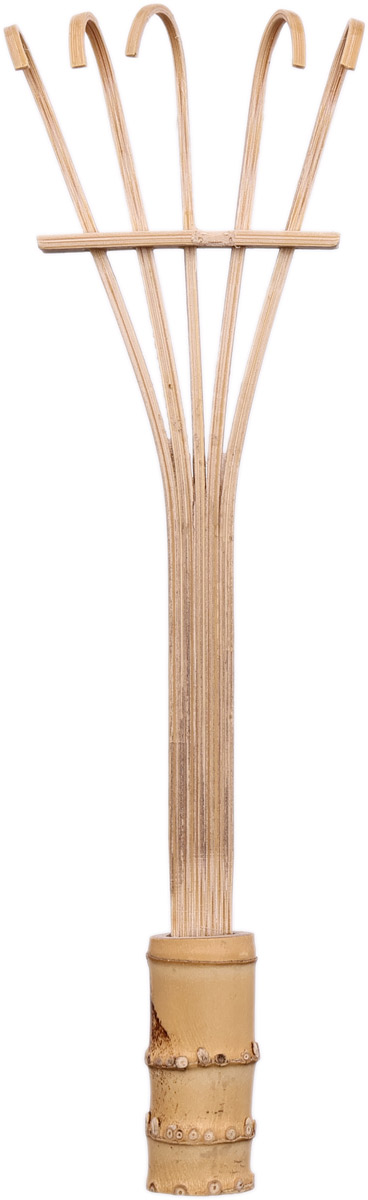
The overarching concept of this composition is that of the Japanese Zen garden, a highly distinct style of dry garden that uses raked sand or gravel to mimic the waves and ripples of bodies of water, often paired with standing rocks and manicured trees to form a cohesive and harmonious whole. Heinemann has rendered a facsimile of that here with ample charm in its execution, and a truly stunning sandblast that serves to not only add to the allusion, but reveal a bounty of ring grain cascading down the briar. This grain presents with a shingled, wave-like appearance that seems to stack up from the bottom, handily reflecting the raked waves present in the pipe's namesake inspiration, and he's appointed the surface of these waves with small stones that fit nicely within the craggy arcs surrounding them, completing his tribute to the gardens and making this piece a truly singular offering. To underscore his inspiration, Heinemann has included a special bamboo tamper that's been shaped to resemble a kumade-style rake, which may not function in the way that the rake itself would, but will be more than adequate for the task of accompanying a bowl.
-John McElheny