EN
EN
 JA
JA ZH
ZH





 All New Pipes














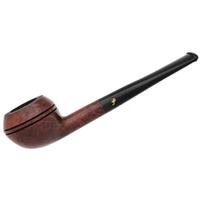
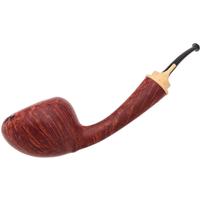
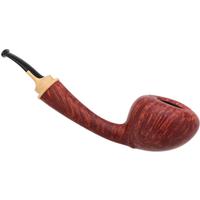
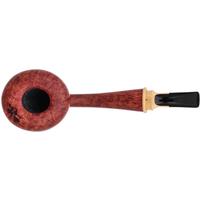
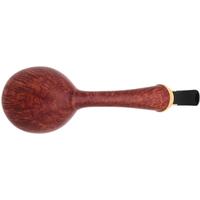
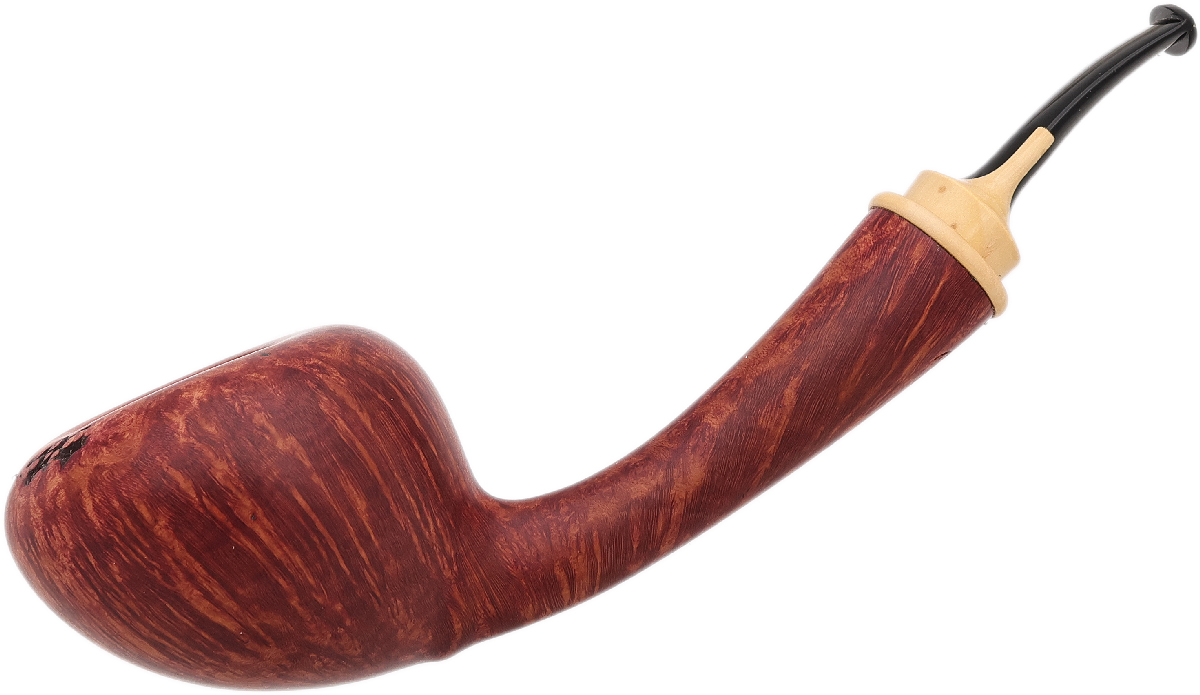
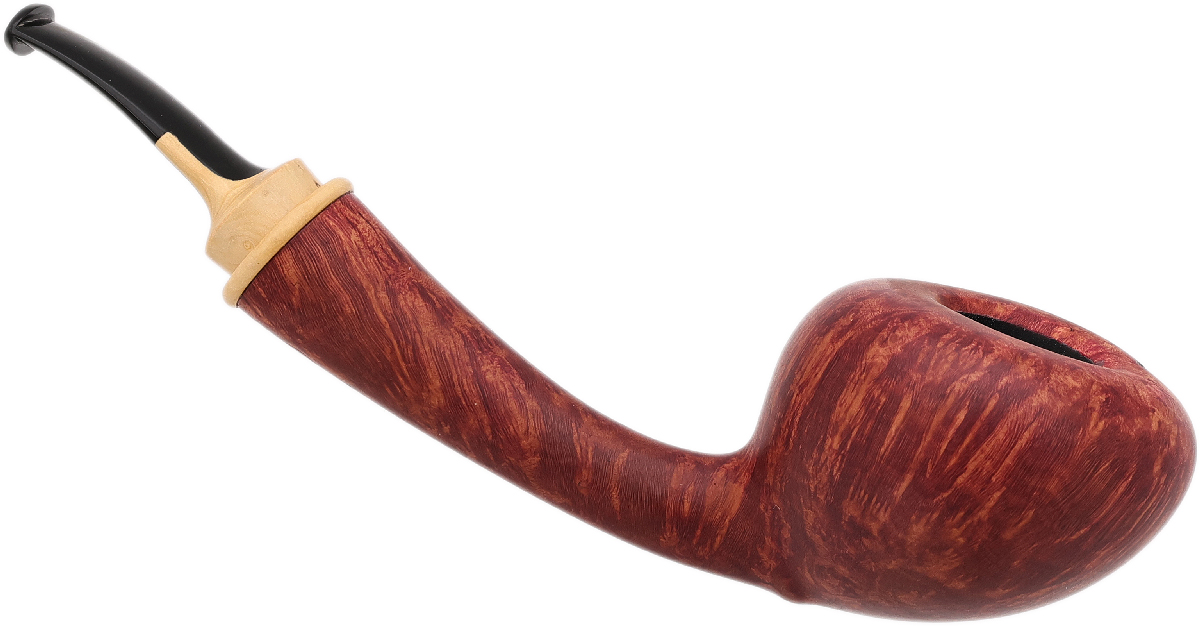
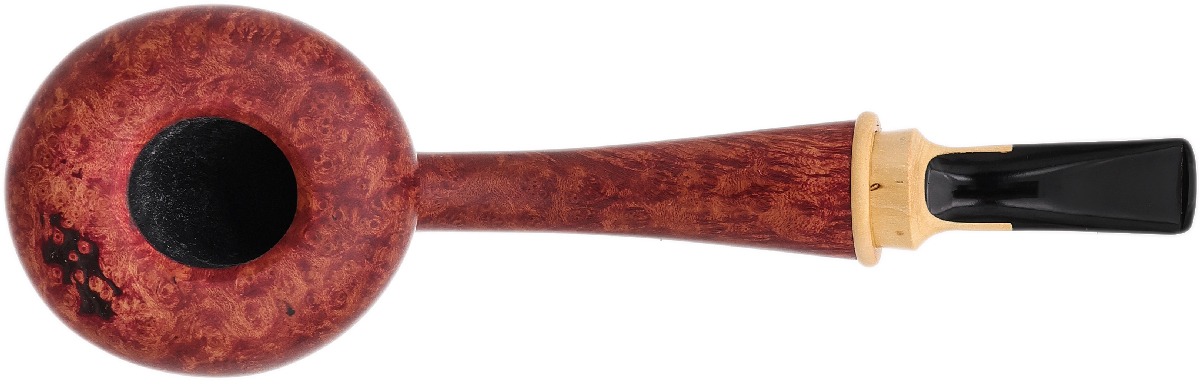
Smooth Longshank Acorn with Boxwood (Hoplite) (4525) (2025) Tobacco Pipe
Product Number: 002-194-0195

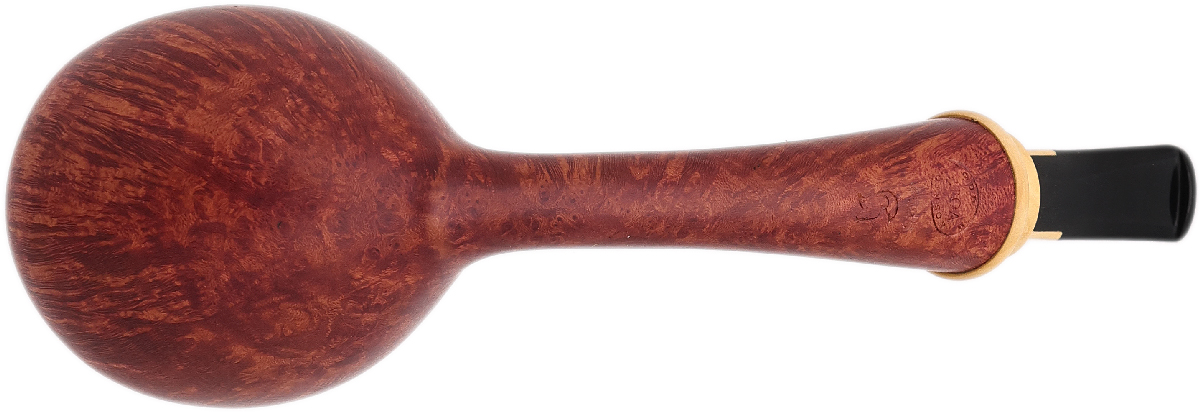
Measurements & Other Details
- Length: 6.74 in./171.20 mm.
- Weight: 2.43 oz./68.95 g.
- Bowl Height: 1.75 in./44.45 mm.
- Chamber Depth: 1.44 in./36.58 mm.
- Chamber Diameter: 0.82 in./20.83 mm.
- Outside Diameter: 2.03 in./51.56 mm.
- Stem Material: Vulcanite
- Filter: None
- Shape: Acorn/Pear
- Finish: Smooth
- Material: Briar
- Country: United States
About This Pipe
When carving his stunning pipes, American artisan Todd Johnson draws on his appreciation for Greek art and architecture, as well as his tutelage from some of the titans in the pipe-making world. Moderation, balance, and proportion were all key elements of Greek design, and he further honed his eye for these characteristics under the likes of Tom Eltang and Anne Julie. Moreover, with a Master's degree in aesthetics from Yale University, it's no wonder Johnson's pipes transcend the plane of fine smoking instruments and enter the realm of fine art.
Given his appreciation for ancient Greece, it's no surprise that Johnson's grading system utilizes military terminology from the same time period. In ascending order, the upper echelon of his work is graded either Hoplite, Phalanx, or Phalanx "Q." With its Hoplite designation, this Longshank Acorn is an especially impressive piece.
A masterclass in balance and proportion, this Acorn pairs a plump, ballooning bowl to a slender, pinched shank that flares elegantly toward the stem, restoring visual equilibrium with the bowl. The transition between bowl and shank resembles that of a Cup and Ball — an indicator of Johnson's Danish carving roots —while also evoking the signature spur-like heel of a traditional Acorn. A domed ring of boxwood at the junction adds another element of Danish flair, and pairs seamlessly with the split stem that also features boxwood around its saddled shoulders. The contrast between the pale wood and the black vulcanite is quite striking, as is the kiss of plateau at the fore of the bowl. The latter's off-centered placement and craggy texture add another element of organicism to this already highly organic looking piece. Aside from the plateau, the rest of the stummel remains smooth with a rich chestnut stain that shows off the briar's exceptional grain.
— Jenna WassermanSimilar Pipes
American Estates
SALE!
Jody Davis Smooth Shield Cavalier with Mammoth (A16) (Saint)
Recently Viewed
Tampers & Tools
Bill Shalosky Tamper - Green Plywood and .44 Magnum