


 |
|
 |
|


Produced by Chris Herath and Nicole Weed | Edited by Nicole Weed
Jeremy Reeves, Head Blender of Cornell & Diehl, recently discussed a topic that has been a bit controversial or contentious perhaps over the years: casing versus topping in pipe tobacco.
Note: The following transcription has been edited for clarity and brevity.
[Jeremy Reeves]: We've touched on this in the past, but I wanted to dive deeper on some of the differences between the way we think about this on the industry side versus how it's commonly considered on the collector and hobbyist side.
What Is a Casing?
In front of me, I have a few examples of pipe tobaccos we produce that have a casing applied.
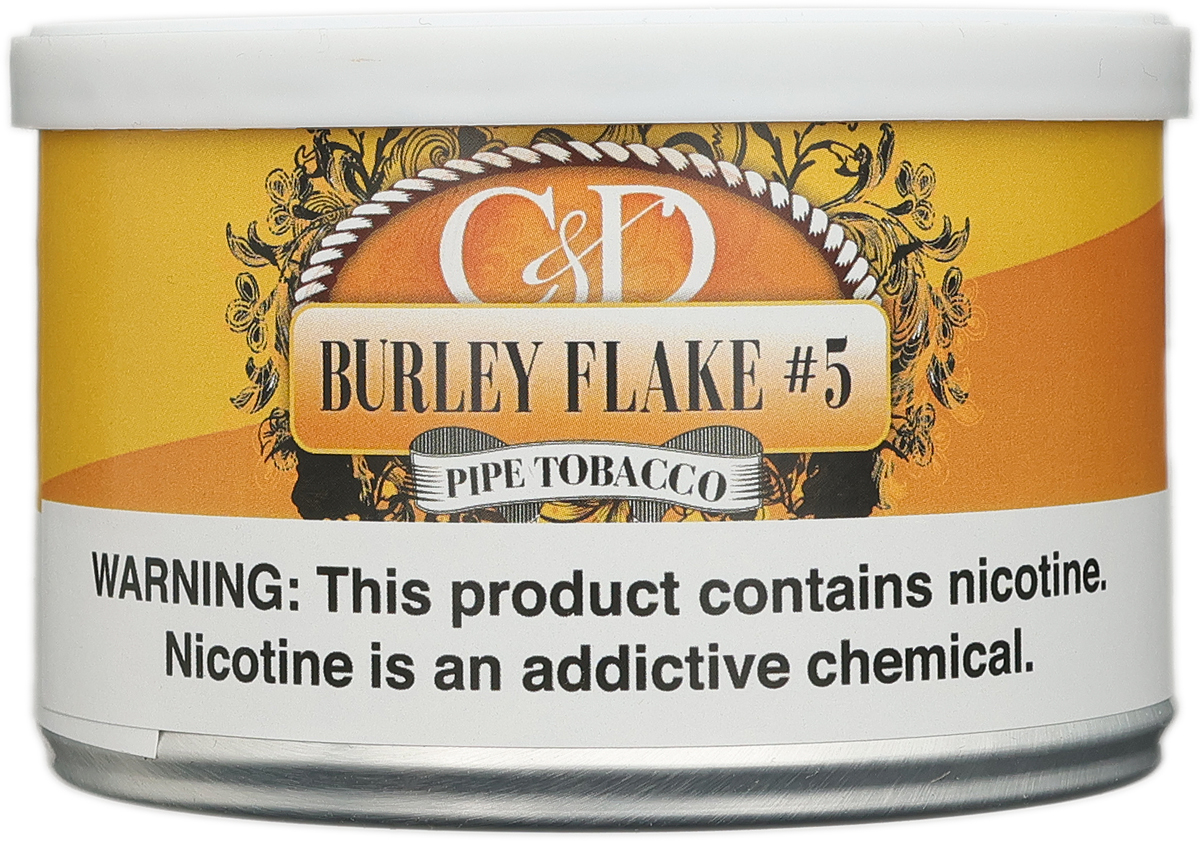
Starting with Burley Flake #5: it's a classic Burley blend with a very old-school casing — molasses, a little anisette, and some rum. These aren't used to impart a lot of added flavor onto the Burley. They're actually there to address some of the pH issues that come from darker, more robust Burley, since Burley's chemistry leans alkaline. Bringing the pH down into a more acidic or neutral range smooths out some of those rough edges, and anise, rum, and cocoa all work well with the existing flavor profile Burley brings to the table.
This blend is also lightly smoked with some Dark Fired in the mix, so it doesn't smoke anything like an Aromatic — it won't smell like molasses or anisette. What it gives you instead is a rounder mouthfeel and a slightly denser smoke. That is the primary reason casing is used: to round things out.
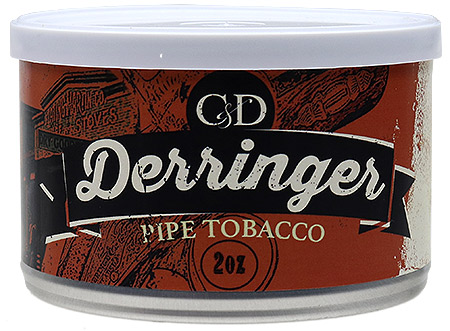
Another example is Derringer, an old Virginia blend — equal parts Bright and Red, half of each stoved, half unstoved. We use a little vodka as a carrier, some dark brown sugar, and just a touch of real orange oil extracted from the peel. Again, this doesn't smoke like an orange Aromatic; there's very little of that flavor present. What it does is accentuate the natural sweetness and citric note already in the Virginias. We use these same components in plenty of other blends without this particular casing, since for us a casing is meant to work with that specific mix.
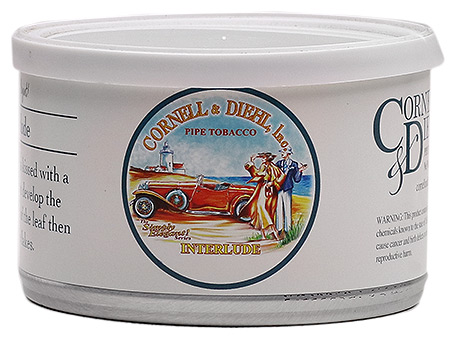
Honey is another casing that's been common in tobacco for a long time, such as in Interlude. Used on its own, without a carrier, a little honey isn't going to taste or smell like honey — it's not designed to be noticed, and that's really the crux of casing. If flavorants are used, they're meant to work with the tobacco, while the other ingredients in a casing are usually there for reasons besides flavor, typically chemistry, whether that's preservation or adjusting pH.
In general, the idea of a casing is to take what's already good in the tobacco and accentuate it, while smoothing over anything that isn't quite where you want it. No tobacco is perfect. Every leaf needs some added touch here or there, and the goal of a casing is to get the best result from that leaf without being showy about it.
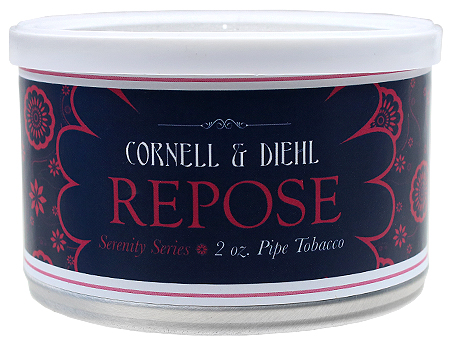
Last is Repose, a cube-cut Burley blend with some Turkish added, cased with rum alongside flavorless, odorless, food-grade preservatives. We're not talking about a lot of rum — a small amount on Burley and Turkish isn't going to come across as rum in taste or room note. What it does is help spread the oils present in the Oriental across the other tobaccos in the mix.
Think of a shirt you have worn in for a long time when thinking of casing: it's understated. All the detail comes just from how you've worn it, and it's fitted to you. That's the idea of a casing.
What Is a Topping?
Toppings serve a very different goal than casing, which is meant to go essentially unnoticed. Aromatic toppings are designed to be noticed and they jump out at you. It's called the top note because when you open a tin, that's the note you sense immediately.
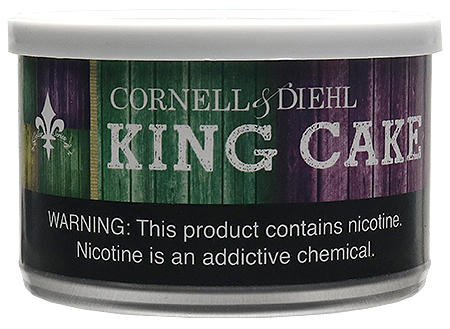
King Cake is a blend of Virginia, Oriental, and Perique with very obvious, overt flavors added in the form of plum, walnut, rum, and a touch of maple. But the proportions of those toppings are built to work with the existing tobacco base. When I designed the blend, I started with the Virginia, Oriental, and Perique, got those in the balance I wanted, and only then added flavor on top to work with the natural peaks and valleys of that base blend.
Green River Vanilla is closer to what a lot of people immediately think of with an Aromatic: an all-Black Cavendish base with a heavy dose of vanilla. It's very mono-note, with one tobacco, and the whole point is that vanilla flavor coming through. We sell this as a blend people can smoke straight, in bulk or in a two-ounce tin, and used as a blending component. Home blenders can add just a small amount to another blend to bring in a subtle sweet note.

Brigadier is an Aromatic/English crossover — cube-cut Burley, some Virginia, a touch of Perique, and some Latakia. Nestled into that mix is a touch of apricot. Getting the tobacco balance right came first, so we could find the exact proportion of apricot to add in. It's working with the existing flavors while adding something new, which is really the idea of a topping.
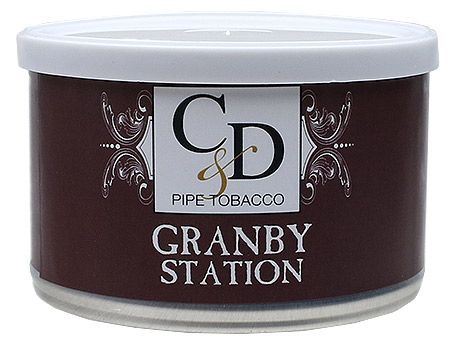
Last is Granby Station, a blend of Virginia, Burley, and a touch of Black Cavendish, topped with applejack, which is whiskey made from apples. On its own, in a small amount, applejack wouldn't come through much beyond an alcohol note, since alcohol tends to dissolve and share flavors and oils across the other components in a blend. But we add a touch of vanilla alongside it, and since applejack picks up an oak note from aging in a barrel after distillation, that vanilla actually brings more of the whiskey's flavor forward. It works with the mix, not in spite of the tobacco.
In general, I'm happy with how we approach toppings at C&D: we want the tobacco to sing first. Green River Vanilla is an exception to that because some people just want a flavor carrier, and that's fine, that's what they're after. But our general approach to Aromatics is tobacco-focused, with the flavor working alongside and accentuating good-quality tobacco.
Where the Line Gets Blurry
A couple of other examples are worth mentioning. We recently released Midnight Orchard, the first true Aromatic in the Small Batch line. It's been fun working with food and candy flavors alongside high-quality tobacco to put together something that tells a broader story than tobacco alone could.
On the casing side, we talked about honey added to Interlude in a small amount with no carrier. Sun Bear takes a different approach to that same honey. We use proper carriers, the same way we approached vanilla with Green River or vanilla with the applejack in Granby Station, to really amplify the natural flavor of the specialty honeys we use. That honey does make a real impact on flavor, but only because of the other components working alongside it.
So there are places where the line between casing and topping blurs a bit. But the underlying goal doesn't: a casing is meant to fly under the radar, while a topping is meant to sit right on top, as part of the mix.
I hope this clarifies a few things. Maybe it will spark some good debate in the comments. Let us know your thoughts.
You may also enjoy:

Comments
Can you talk about the uncased blends like Opening Night, Union Square and others? Do these blends require a special leaf since none are perfect as Jeremy says?
This is targeted to Jeremy. I have read your interest and devotion to honey production and its use such as on Sun Bear. By chance have you ever had the pleasure of trying Tasmanian style honey from flowering Leatherwood trees. It is in my opinion one of the most distinctive honey. Not as sweet as some but with a very distinctive taste. I use it when smoking my ribs for a great difference in taste. Just mentioned it as I wonder how that would do on a Sun Bear release someday.
i think of it like adding sugar or milk/cream to your coffee. that's not making it a flavored coffee, like, say, hazelnut coffee.