EN
EN
 JA
JA ZH
ZH





 All New Pipes

















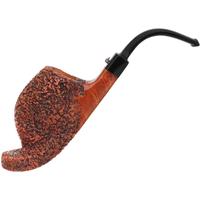
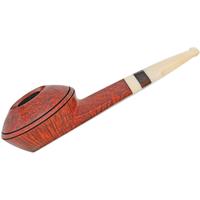
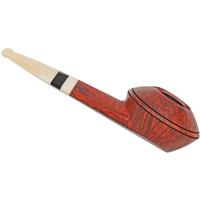
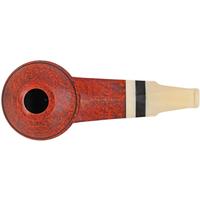
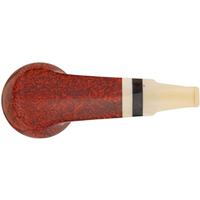
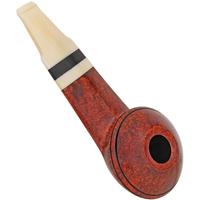
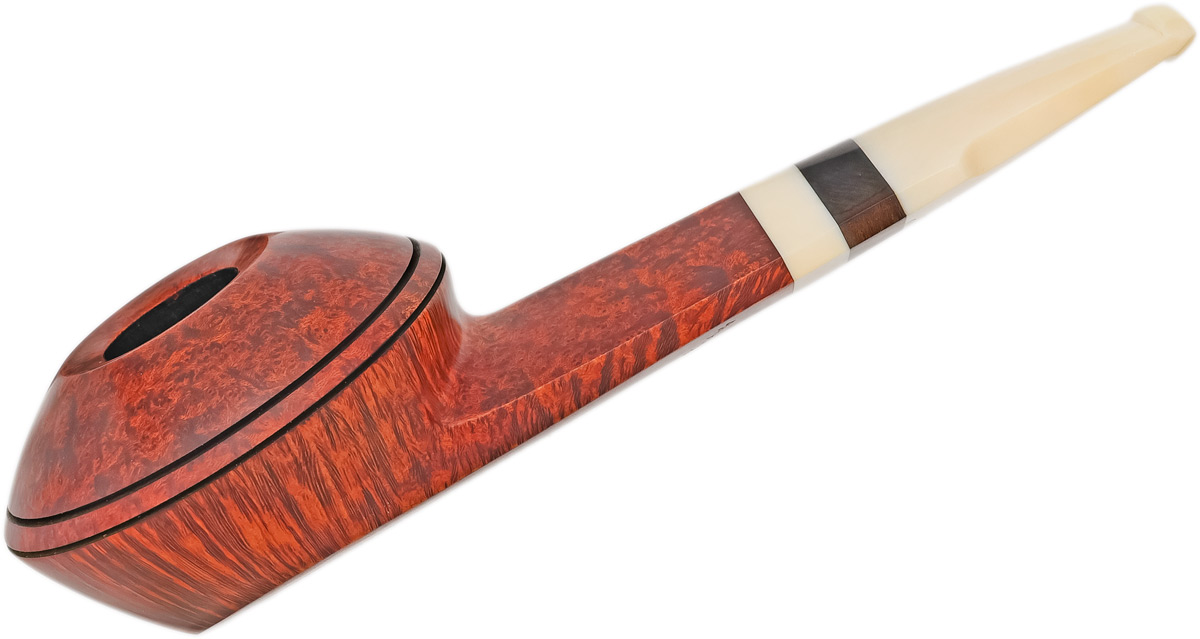
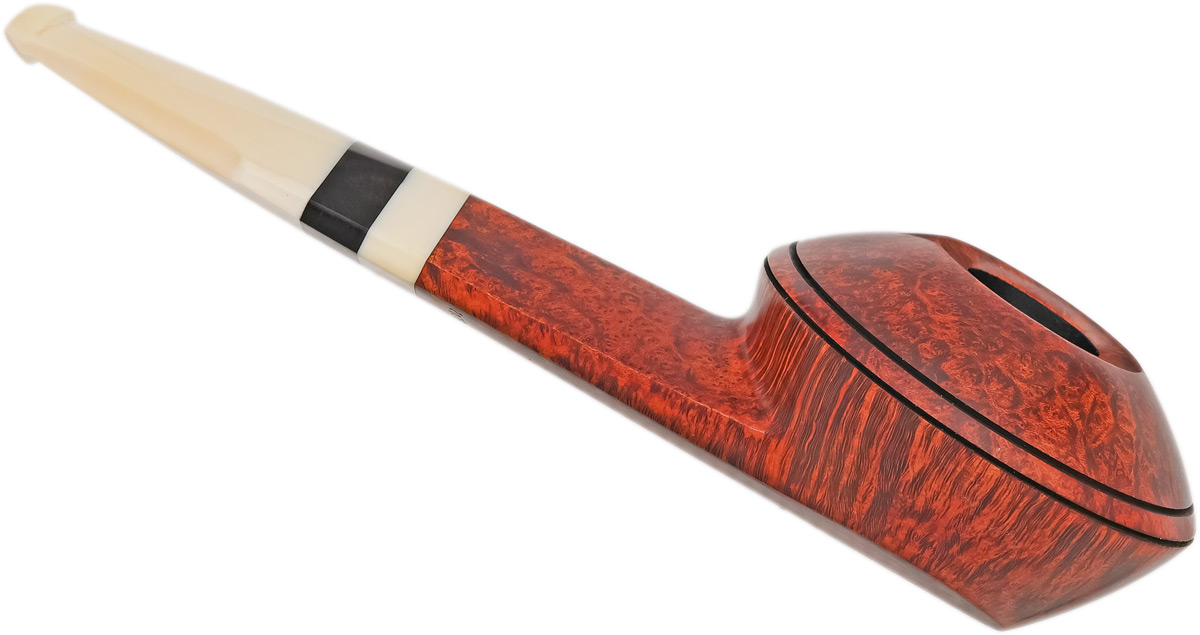
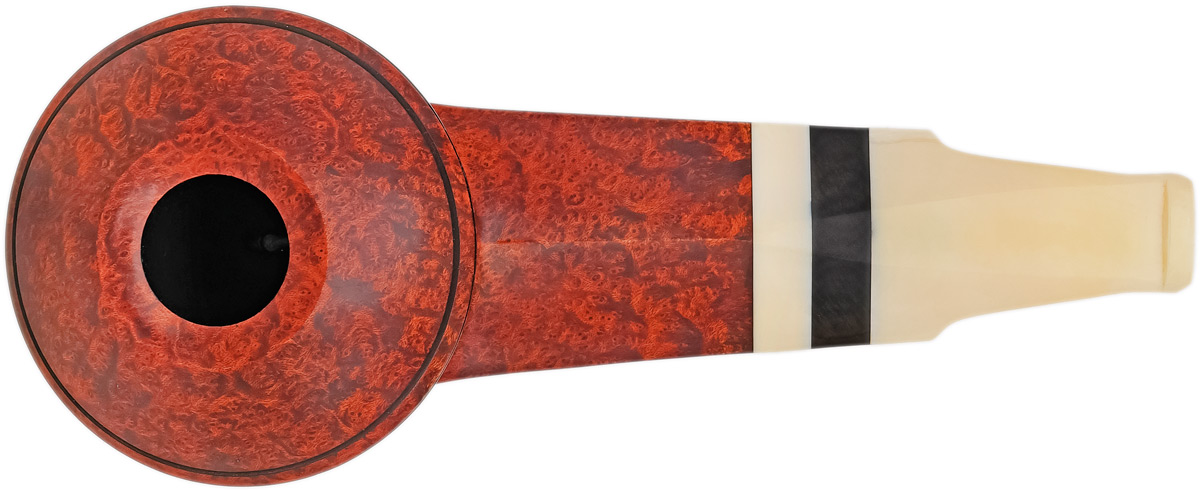
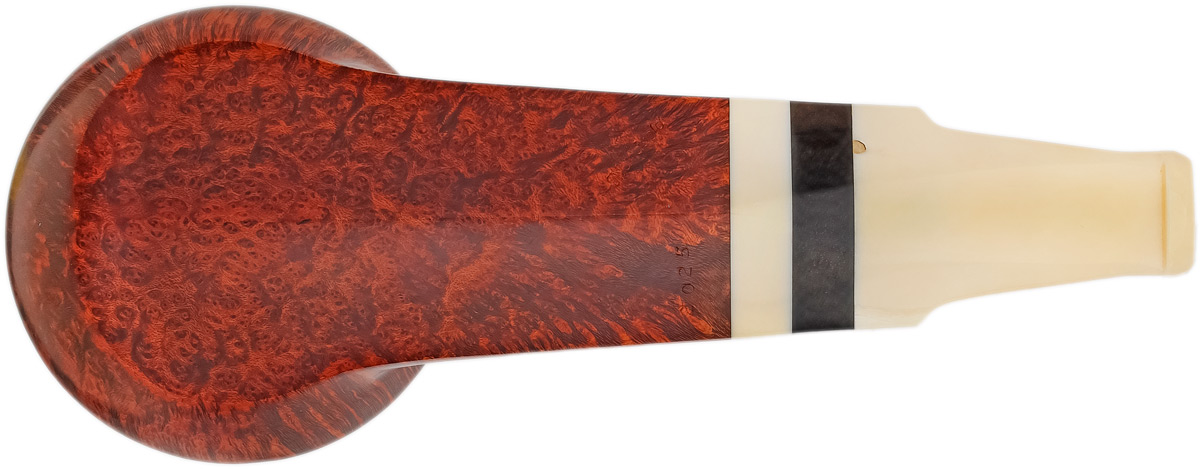
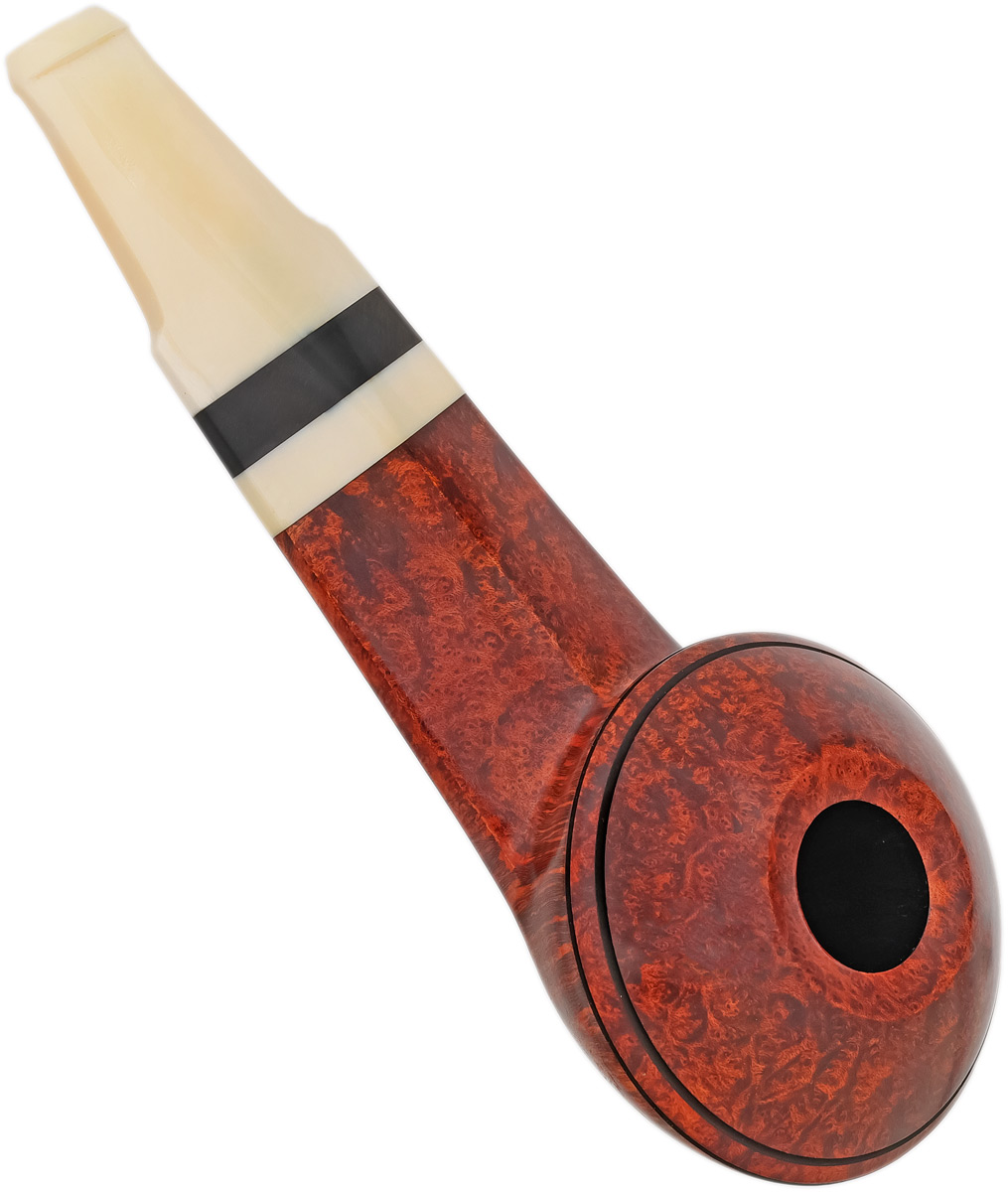
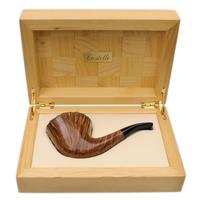
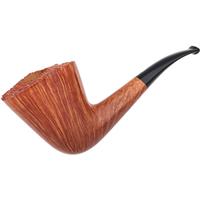
Smooth Poul Ilsted Tribute Bulldog with Whale Tooth and Ebony Tobacco Pipe
Product Number: 002-747-0045



Ask a question about this product.
Measurements & Other Details
- Length: 6.70 in./170.18 mm.
- Weight: 4.03 oz./114.31 g.
- Bowl Height: 1.68 in./42.67 mm.
- Chamber Depth: 1.30 in./33.02 mm.
- Chamber Diameter: 0.83 in./21.08 mm.
- Outside Diameter: 2.71 in./68.83 mm.
- Stem Material: Other
- Filter: None
- Shape: Bulldog
- Finish: Smooth
- Material: Briar
- Country: Denmark
About This Pipe
Formerly known as the American Pipe Making Exposition, our annual Global Pipe Making Exposition features contributions from some of the world's foremost artisans, all united around a central theme. One of the most exciting events of the year for carvers, smokers, and enthusiasts of briar alike, the Global Exposition acts not only as a showcase for the immense talent of these artisans, but a focus for the boundless creativity that these masters of the art possess. For 2025, the theme of our Expo is "In Memoriam," celebrating the life and works of artisans who have passed on, yet whose impact on the craft and those around them is utterly undeniable.
Denmark's Manduela Riger-Kusk has infused this year's entry with a deeply personal connection, choosing her mentor and friend, Poul Ilsted, as her inspiration for this remarkably broad Bulldog. Known as the "Master of Facets," Poul Ilsted was renowned for his Bulldog renditions, whose proportions and sense of line were lauded for their precision and balance. Though this Bulldog is markedly wider than any I've seen from Ilsted, it yet retains a keenly structured build that reflects its origins exceptionally well. Upon studying Ilsted's Bulldogs, one feature was stealthily consistent across the vast majority of the shape's iterations: the width of the shank was always in nearly perfect proportion to the lower walls of the bowl, and the lift of the shank's lower panels into these lower walls stopped very slightly above the ridges flanking the sides of the shank. Here, Manduela has channeled that fastidiously exacting proportionality into an Eskimo-like piece that is stunning not only in its scale, but in its shaping and styling.
Nearly two inches wide at the transition, the shank here assumes not the more commonly-seen four-sided diamond shaping often associated with the Bulldog, but a hexagonally-paneled diamond with a pair of trim flats at the sides. The added challenge of this supplemental section is not negligible, and Riger-Kusk has tackled that challenge precisely, maintaining the shank's own consistent taper across another flat surface and extending it through the sides of the stem. The taper through the shank isn't singular, however, as it diminishes not only vertically, but horizontally, magnifying the challenge of its shaping and making it all the more impressive that Manduela has given a slight rounding to the side panels: something I could scarcely notice until removing the stem. Said stem is stunning, acting as a confluence for all the shank's lines and splitting the top and bottom ridges into a pairing that expands and reaches out to flank the button. This adds a layer of visual complexity to the already impressive facet work displayed across the stem, and, to further ensnare the attentions of any viewer, she's also rendered the stem in an inverse saddle orientation, where the shoulders are relocated to the flanks so that the bit steps down from the sides and results in a finer button. All of this is said without mentioning the fact that this stem has been crafted from pale whale tooth inlaid with a strip of dark ebony, introducing a vivacious contrast to the palette and redoubling the magnitude of Manduela's efforts in crafting this remarkable piece.
Up front, the bowl stands on the lowermost ridge of the shank, effectively rendering a pointed heel whose lines splay out diagonally and curve across the lower flanks of the bowl, arcing across the side before meeting the lower ridge of the shank's side panel. From the heel, the bowl's walls expand out proudly, terminating in a breadth nearly three inches across before meeting the shape's iconic pair of beadlines and taking on a domed arc toward the chamfered rim. There's an impressively geometrical aspect to this pipe's construction that's recognizable throughout the composition, and it's made a phenomenal canvas for the deep, rich, mahogany-toned stain dressing the briar. All of the facets and panels that surround the stummel are structured perfectly to showcase some of the best grain I've seen on any Bulldog, as the briar reveals dense streaks of flame grain lining the shank's side panels and surrounding the walls of the bowl. The entirety of this pipe's top and underside, however, are drenched in unfathomably vast oceans of birdseye from edge to edge, flowing and swirling across all of the slopes and peaks and making for a truly outstanding presentation. To complete this tribute to Ilsted, Manduela has included a framed photograph of the man, a print of one that she has in her own workshop: picturing him seated, smoking a Bulldog.
-John McElhenySimilar Pipes
Recently Viewed
Davide Iafisco
FRESH!
Smooth Natural Hiroyuki Tokutomi Tribute Blowfish Sitter