EN
EN
 JA
JA ZH
ZH





 All New Pipes



















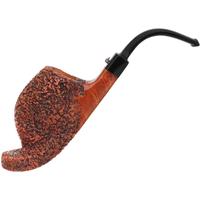
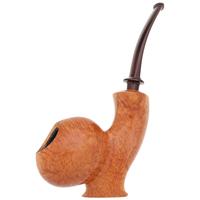
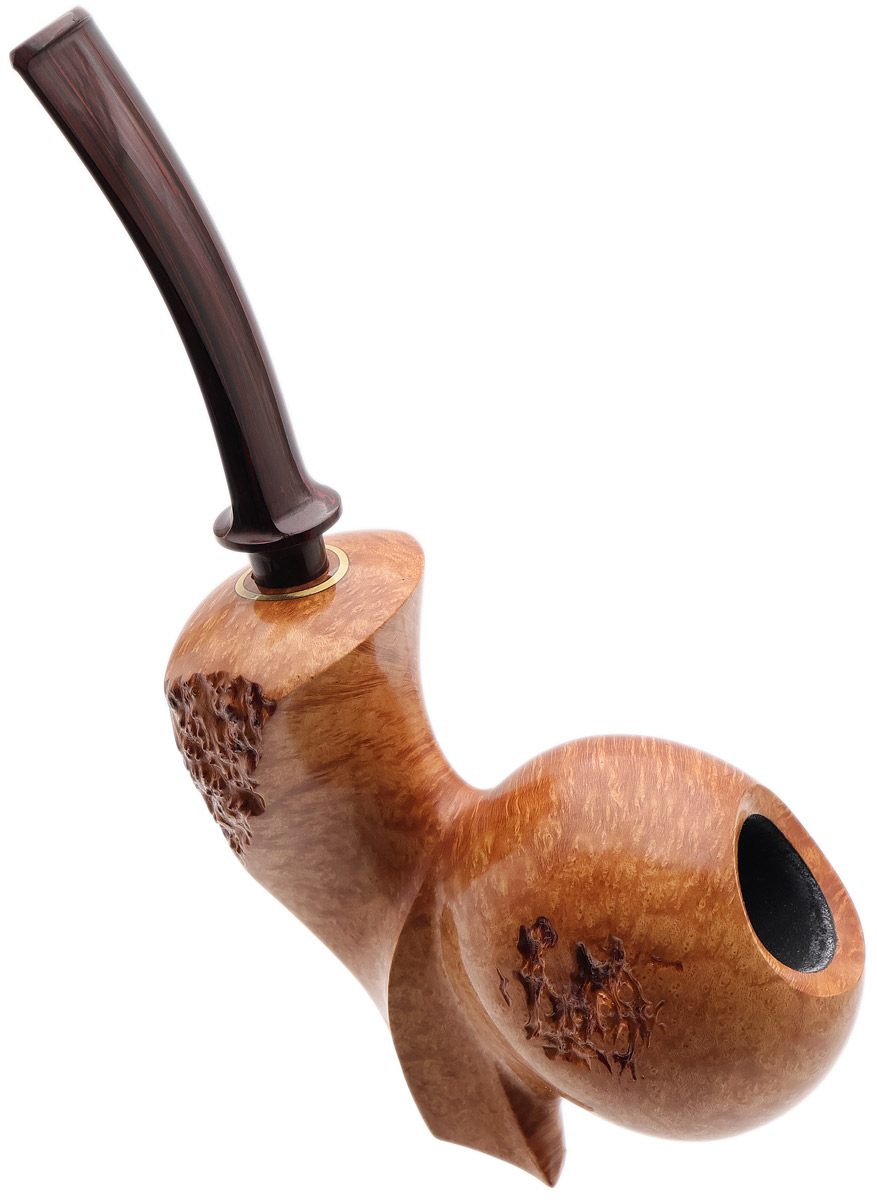
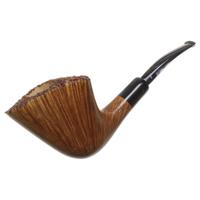
Smooth Natural Hiroyuki Tokutomi Tribute Blowfish Sitter Tobacco Pipe
Product Number: 002-702-0206

Ask a question about this product.
Measurements & Other Details
- Length: 6.08 in./154.43 mm.
- Weight: 2.56 oz./72.57 g.
- Bowl Height: 2.76 in./70.10 mm.
- Chamber Depth: 1.64 in./41.66 mm.
- Chamber Diameter: 0.74 in./18.80 mm.
- Outside Diameter: 1.63 in./41.40 mm.
- Stem Material: Vulcanite
- Filter: None
- Shape: Blowfish
- Finish: Smooth
- Material: Briar
- Country: Italy
About This Pipe
Formerly known as the American Pipe Making Exposition, our annual Global Pipe Making Exposition features contributions from some of the world's foremost artisans, all united around a central theme. One of the most exciting events of the year for carvers, smokers, and enthusiasts of briar alike, the Global Exposition acts not only as a showcase for the immense talent of these artisans, but a focus for the boundless creativity that these masters of the art possess. For 2025, the theme of our Expo is "In Memoriam," celebrating the life and works of artisans who have passed on, yet whose impact on the craft and those around them is utterly undeniable.
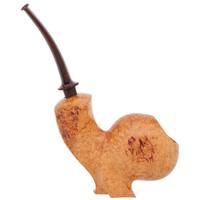
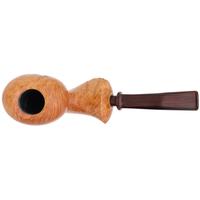
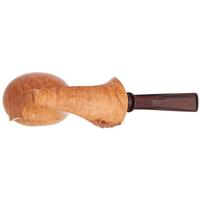
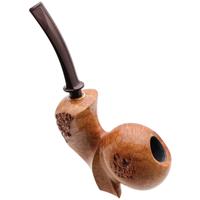
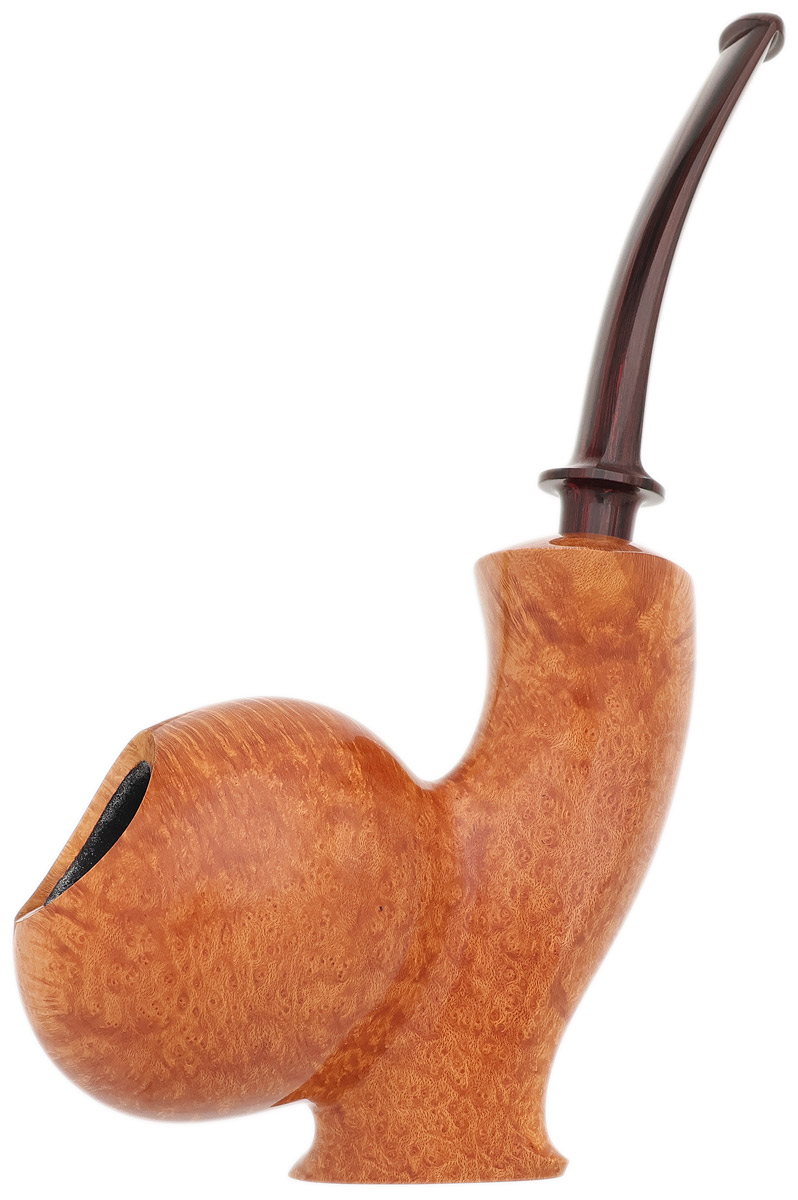
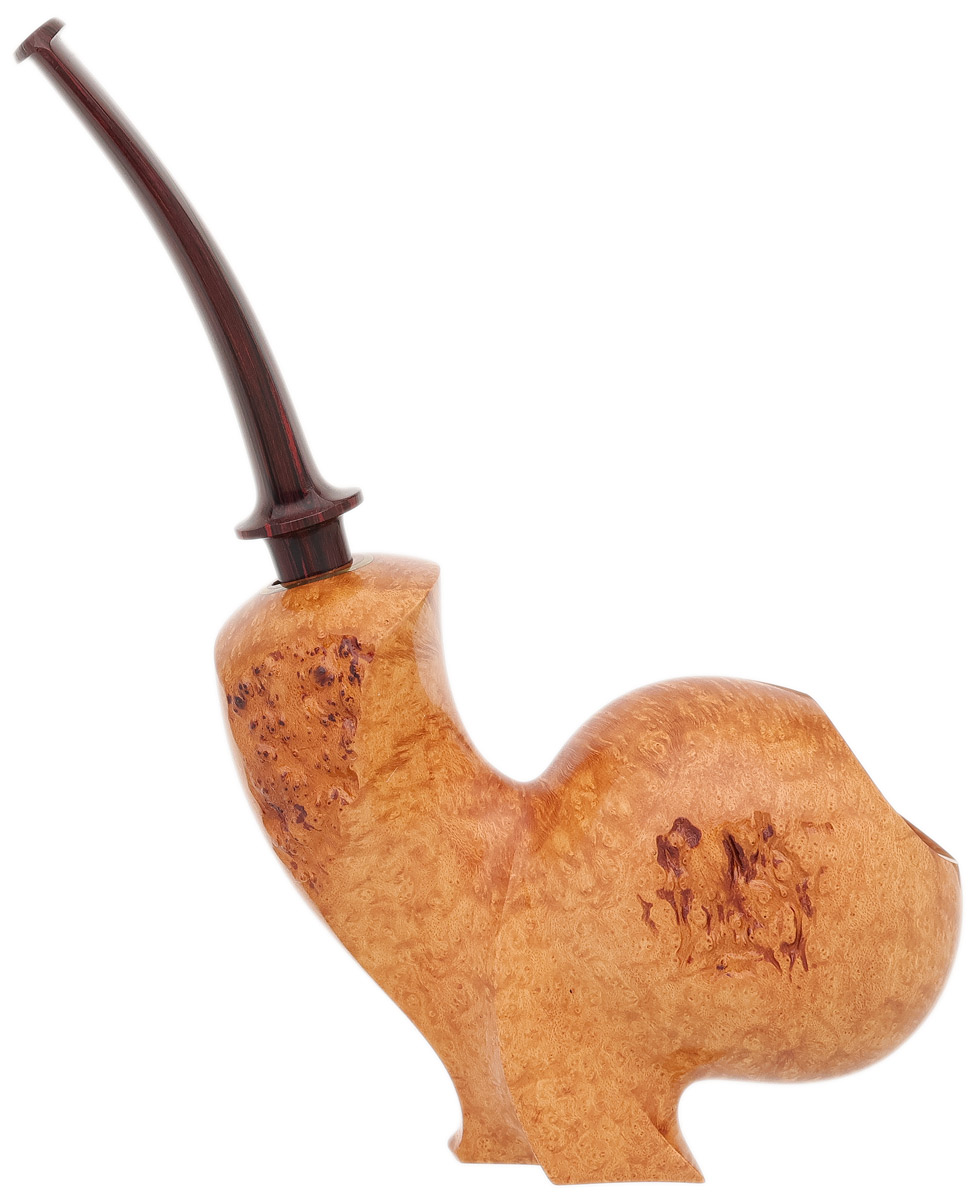
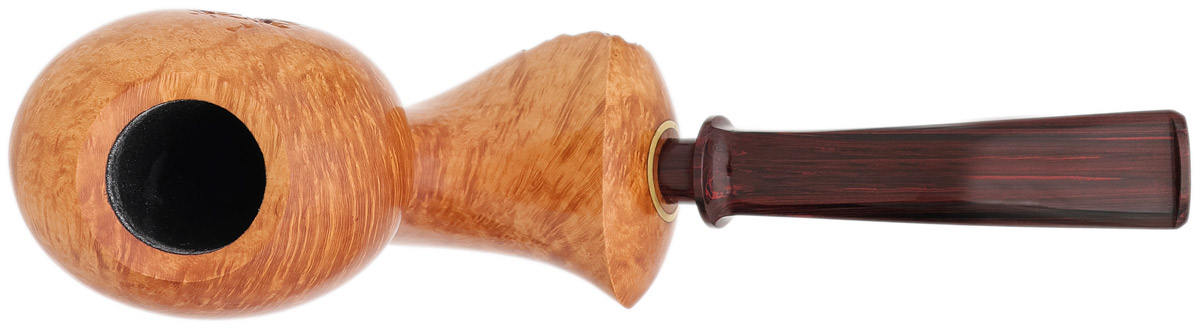
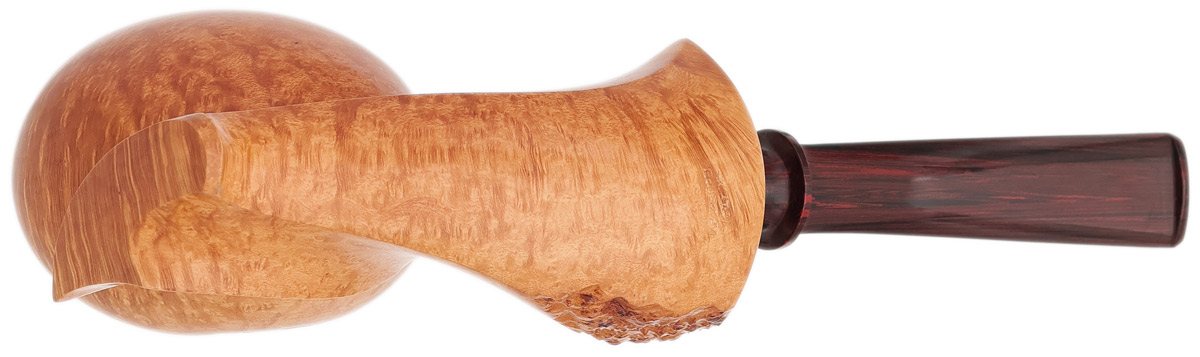
Hiroyuki Tokutomi's shaping style is one that existed at the confluence of organic asymmetry and geometric precision — features displayed across a wealth of his works, but none so immediately apparent as in his takes on the Blowfish. Tokutomi's Blowfish were rendered in a variety of forms, from the more subdued to the more expressly ostentatious, but some of the most recognizable of his takes on the shape were doubtlessly his Sitting Blowfish. Even these could take on a number of silhouettes, Vase-like, Cavalier-engineered, or more conventional, though, for this year's Expo, Italian artisan Davide Iafisco has taken inspiration from those Blowfish sitters that exist within a more intersectional space. Perched atop an extended shank complete with a flattened foot, this piece features some extremely complex line work through the shank, while the bowl is far less structured in appearance than one would expect from any take on the Blowfish. Said bowl is exceptionally round and is absent of any ridgelines through its walls, instead displaying a look much more reminiscent of the Apple or Tomato in profile, its supple plumpness urging out from near the lower portion of the pedestal-like shank. After moving from profile view, the bowl actually reveals a more compressed, oval-like structure that curves very subtly to the right and is closer to the breadth of the shank than to that expected from the Apple, making for a pipe that's quite comfortable in hand, and that stands apart from the preponderance of Blowfish.
Not only is this pipe unique among Blowfish, but it's utterly singular within our portfolio of Iafisco's work, being one of the few Sitters, and certainly the only one we've seen with this organic look that he's presented us with. The shank itself is surrounded by four ridges - with two set further forward - that manifest at the foot and on the right, where they rise and dissipate swiftly near the bowl to form a trio of hollow-carved channels. The other pair of ridges is set toward the back part of the foot and rises toward the shank's face, one splitting into a plain of plateau at the right that matches a similar kiss of the briar peaks at the bowl, while the other creates a soft point at the face. The hook-like shaping of the foot's flat is impressively taut given the stoutness of this piece, and it's especially distinct given the hollow-carved details across the shank and the more horizontal look of its face, affording it the illusion of having been twisted when seen from the right. The broad shank has been finished with a trim ring of brass at the face, acting as a sturdy push-mount for a sleek, tapering stem of cumberland, its tones nicely contrasting the light, nearly natural stain of the stummel and magnifying the impact of this pipe's verticality. From beneath its stain, the burl reveals all the fantastic grain expected of the Blowfish, with dense cross grain wrapping around the midsection, while vast oceans of birdseye wash over both sides of the stummel.
-John McElhenySimilar Pipes
Italian Estates
Castello Collection Fiammata Bent Bulldog (KKK) (2023) (Unsm
Recently Viewed