EN
EN
 JA
JA ZH
ZH





 All New Pipes


















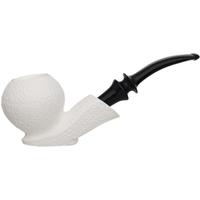
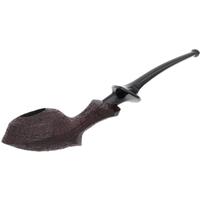
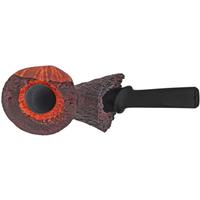
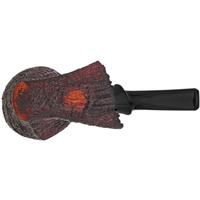
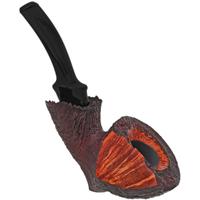
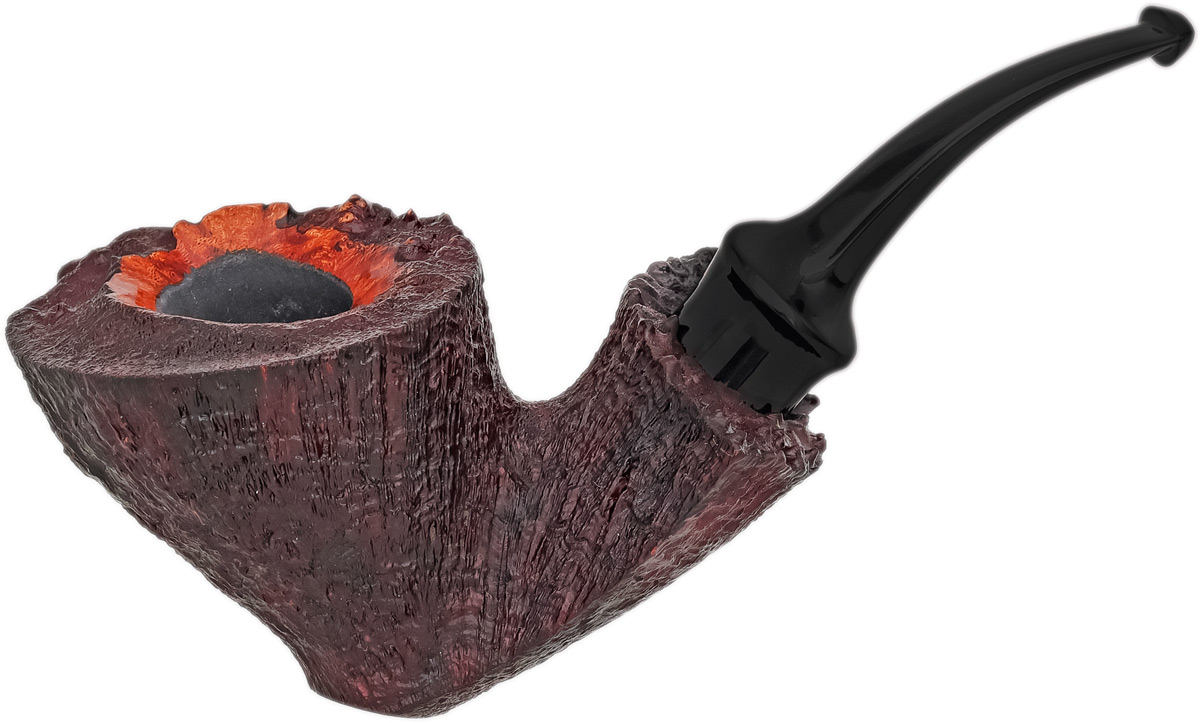
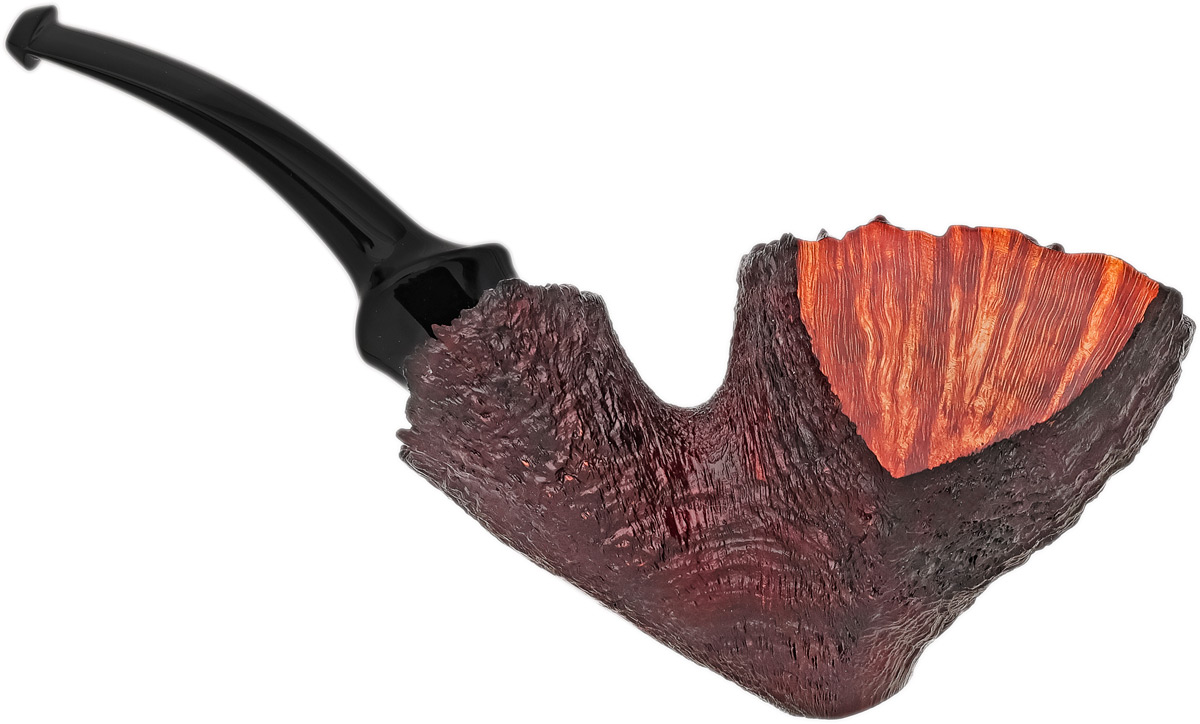
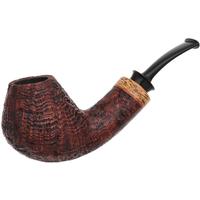
Partially Sandblasted Hiroyuki Tokutomi Tribute Bent Dublin Sitter Tobacco Pipe
Product Number: 002-738-0162

Ask a question about this product.
Measurements & Other Details
- Length: 5.54 in./140.72 mm.
- Weight: 2.64 oz./74.84 g.
- Bowl Height: 2.28 in./57.91 mm.
- Chamber Depth: 1.48 in./37.59 mm.
- Chamber Diameter: 0.78 in./19.81 mm.
- Outside Diameter: 2.02 in./51.31 mm.
- Stem Material: Vulcanite
- Filter: None
- Shape: Bent Dublin
- Finish: Partial Sandblast
- Material: Briar
- Country: United States
About This Pipe
Formerly known as the American Pipe Making Exposition, our annual Global Pipe Making Exposition features contributions from some of the world's foremost artisans, all united around a central theme. One of the most exciting events of the year for carvers, smokers, and enthusiasts of briar alike, the Global Exposition acts not only as a showcase for the immense talent of these artisans, but a focus for the boundless creativity that these masters of the art possess. For 2025, the theme of our Expo is "In Memoriam," celebrating the life and works of artisans who have passed on, yet whose impact on the craft and those around them is utterly undeniable.
Jared Coles' portfolio showcases plenty of Japanese influence, so it's no surprise that for his tribute, he would select Hiroyuki Tokutomi: one of the most influential artisans in all of Japanese pipe making, and an artisan that Coles has specifically credited as a source of inspiration in his work over the years. Coles strives to imbue every pipe he makes with a sense of life, and the dynamic shaping and organic flourishes found in Tokutomi's portfolio are perfectly suited for that style.
Hiroyuki Tokutomi had a fascination with creating objects from wood ever since he was a young child. It's no wonder, then, that he showed such an incredible knack for bringing out the best in every block of briar. Indeed, his ability to read a block of briar was unparalleled, allowing him to easily envision shapes in three dimensions and bring them to life with impressive skill and speed. Using his incredible artistic vision and the expertise he developed under the tutelage of the grandfather of modern pipe making, Sixten Ivarsson, Tokutomi pioneered several iconic shapes, including the Mushroom and the Disk, and he cultivated a style that was uniquely and unmistakably his own. This bent Dublin Sitter is an excellent homage to that style.
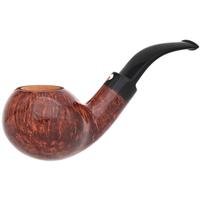
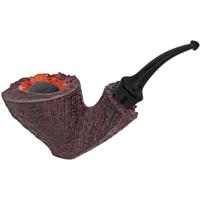
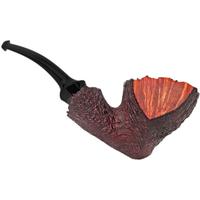
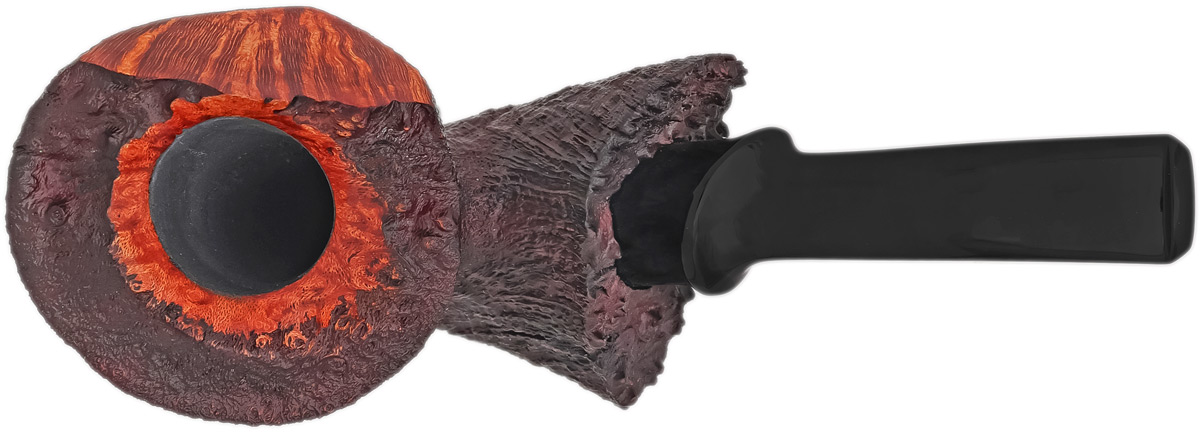
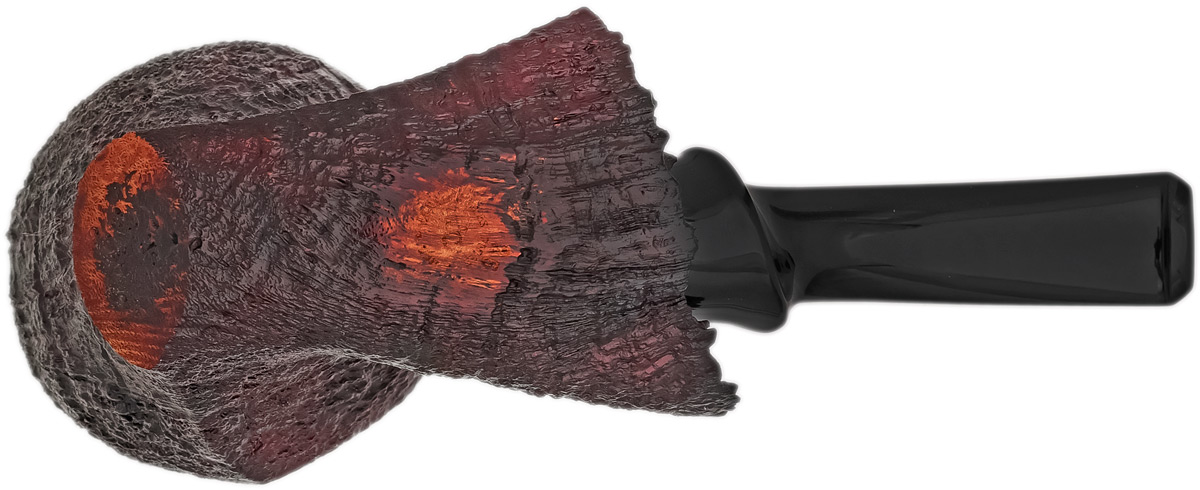
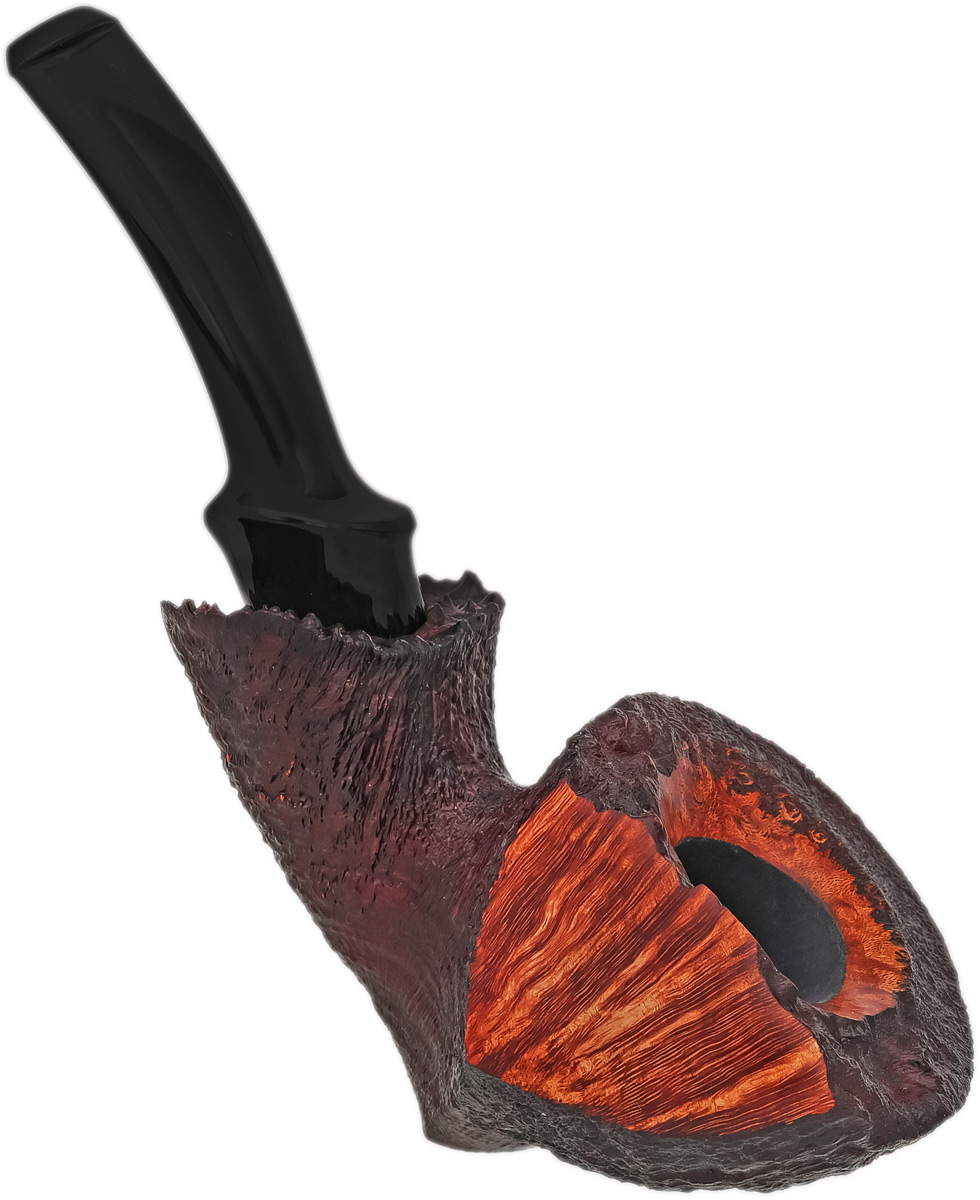
It's a compact piece, measuring just over five-and-a-half inches in length. The silhouette is highly organic, with an abstract, asymmetrical-yet-harmonious look to it. The bowl does have the signature flare of a Dublin, but with much more nuance and complexity than the shape-chart standard. In profile, it juts forward dramatically, lending the composition a sense of energetic momentum. When viewing the piece from straight on, a ridgeline on the bowl's right flank strikes a balance with that of the teardrop shank, whose ridgeline appears on the left. This teardrop shank is a Tokutomi signature to be sure — as is the flat, concise heel that allows the pipe to stand proudly upright on its own. A tilted saddle stem of vulcanite completes the piece, presenting with a sideways cant to match the torqued shaping of the shank, which was another classic Tokutomi move.
A crisp sandblast dresses most of the stummel, rendering the briar's tightly packed waves of ring grain in high relief for maximum visual impact and a stimulating in-hand presence. Only the inner portion of the rim and a section of the bowl's right flank remain smooth, showcasing dense swirls of birdseye and tight licks of flame grain, respectively. The end of the shank is crowned with plateau, adding another texture to the mix. This variation in texture adds further complexity to the already dynamic piece, whose multifaceted, complex shaping is another nod to Tokutomi, as his pieces also possessed dynamic silhouettes that would morph and change based on the viewer's vantage point. So, while not an explicit iteration of a specific shape from the Japanese artisan's portfolio, one could conceivably imagine this piece residing within that same catalog. From stem to rim, every detail of this piece showcases thoughtful reverence for Tokutomi, whose loss is still freshly felt in the pipe community.
— Jenna WassermanSimilar Pipes
Recently Viewed